

Cannabis seed collection
Mould-resistant cannabis seeds in Australia
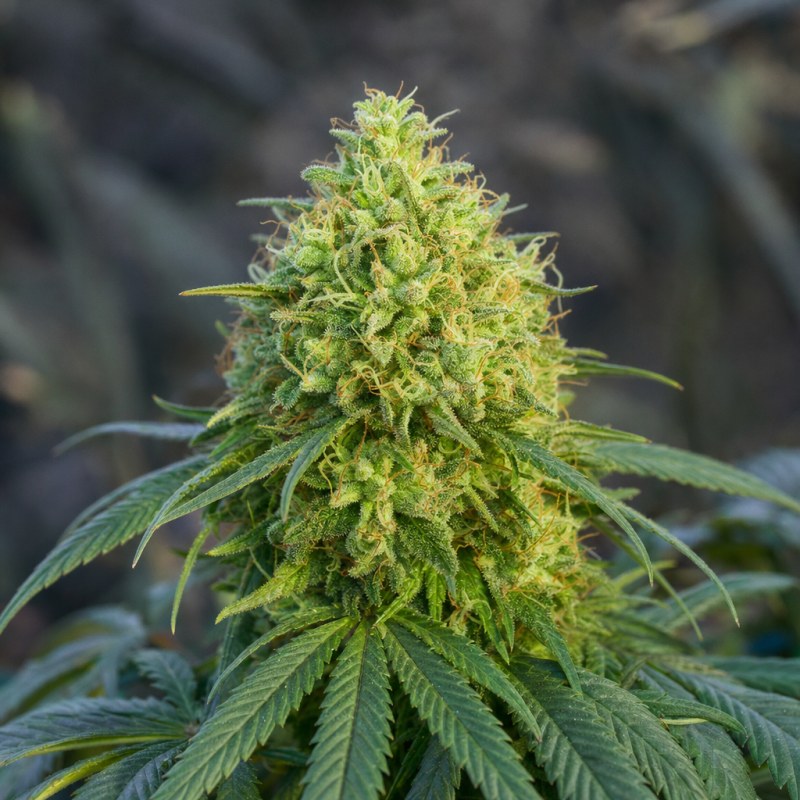
Mould-resistant cannabis seeds exist because bud rot and powdery mildew ruin more Australian harvests than any pest. Whether it's Queensland humidity, a wet Sydney March or morning dew in the Dandenongs, dense flowers trap moisture and botrytis moves in. The strains in this range fight back at the genetic level: open flower structures that breathe, sugar leaves that shed water, and lineages with proven resistance to fungal disease. Several are sativa-influenced strains bred from tropical stock; others are indica hybrids selected for looser colas that still deliver dense-strain potency. Every listing carries a mould-resistance rating and notes on spacing and airflow, because genetics do the heavy lifting but a well-placed plant still finishes cleaner.
Cannabis seed results
How to choose mould-resistant seeds
Every strain in this range resists mould better than average, so the choice within it comes down to how much protection you need and what you want to grow. For the wet tropics or a site that stays damp in autumn, take the highest-rated sativa-dominant strains and accept a taller, airier plant. For subtropical and temperate coasts where the risk is a wet fortnight in March, the indica hybrids with looser structure give you denser flower with adequate protection. Then combine with finishing time: an early finish and an open structure together are the safest combination there is. Autoflowers in this range add a third layer of insurance by letting you harvest in December before humidity peaks. If you've lost a crop before, be honest about your site and choose for it, not for the strain you wish you could grow.
Growing to avoid bud rot in Australia
Genetics buy you margin; how you grow decides whether you need it. Space plants at least 1.5 metres apart in humid regions, strip the lower third of foliage once plants are established, and remove large fan leaves that shade the interior of colas in the last month. Water at the base in the morning, never overhead and never in the evening. Position plants where the morning sun dries dew quickly and a breeze reaches the canopy.
| Stage | Action |
|---|---|
| Planting | Sunny, breezy site; raised bed or fabric pot; wide spacing |
| Mid-summer | Strip lower growth; open the canopy; stake to prevent branches touching |
| Early flower | Reduce nitrogen; avoid overhead watering entirely |
| Last 3 weeks | Inspect every cola daily; remove any browning sugar leaf and check inside |
| Rain forecast | Cover if possible; if colas are near mature, harvest early rather than risk it |
| Drying | Dehumidifier, fan, 55–60% RH, 18–21°C; check daily |
Powdery mildew — white patches on leaves — is a different fungus and shows earlier; improve airflow, remove affected leaves and treat with a potassium bicarbonate spray. Bud rot shows late and inside the flower; a single grey or brown sugar leaf on a healthy cola is the signal. Cut the affected section well below the visible damage and bin it away from the garden.
Our guide bud rot powdery mildew prevention covers early signs and what to do. Pair these genetics with the Fast flowering range for the safest finish, and see Hot & humid climate if you're in the tropics.
Cannabis seed collection
Frequently asked questions
Which strains are most resistant to bud rot?
Sativa-dominant strains and hybrids with open, airy colas resist rot best, along with genetics bred from humid-climate landraces. Very dense indica colas are the most vulnerable. Check the mould-resistance rating on each listing.
Can I grow dense indicas in a humid area if I choose a resistant strain?
Some indica hybrids in this range have been selected for looser structure while keeping indica effects and flavour. They're a good compromise. Pure dense indicas remain risky in high humidity regardless of prevention.
What are the first signs of bud rot?
A single dead or greyish sugar leaf sticking out of an otherwise healthy cola, often on the biggest flowers. Gently part the bud — brown, mushy or grey fuzzy tissue inside means rot. Remove the affected section immediately and check neighbouring colas.
Is powdery mildew the same as bud rot?
No. Powdery mildew is a white coating on leaves that appears in humid, still conditions and can be treated with better airflow and a bicarbonate spray. Bud rot (botrytis) grows inside flowers and can't be treated once established; affected sections must be removed.
Can I still use flower that had a little rot nearby?
Remove the rotted section and a generous margin around it, then inspect the rest closely. Flower that shows no discolouration, no fuzz and smells normal is fine. Anything that smells musty or shows grey or brown inside should be discarded.
Does harvesting early help?
Yes. If rain or humidity is forecast and trichomes are mostly cloudy, harvesting a week early costs a little potency and saves the crop. Waiting for a perfect finish in a wet forecast is how experienced growers lose whole plants.