

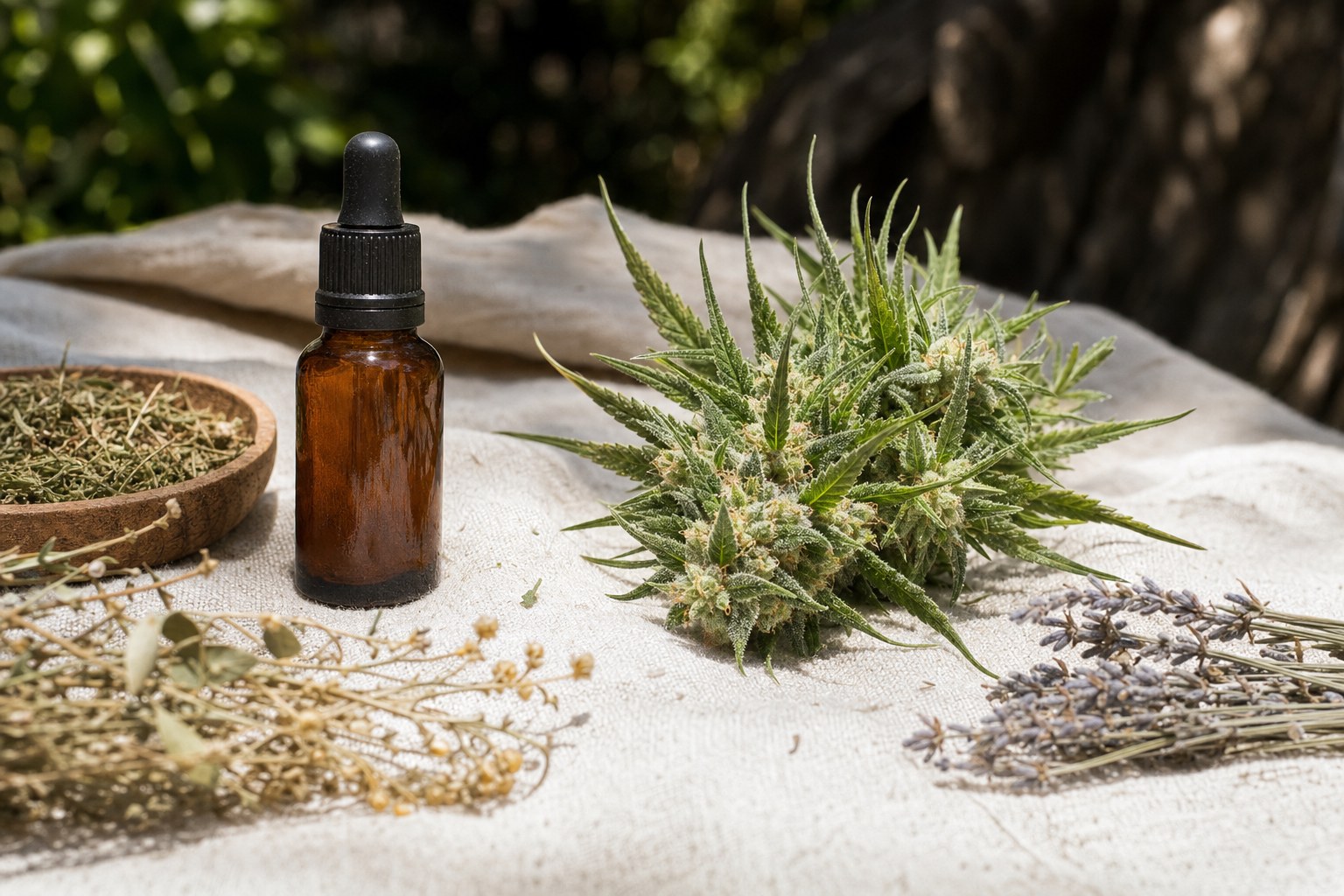
The best CBD seeds in Australia are those with clearly described cannabinoid ratios, a seed format suited to your experience, and growth characteristics matched to your region. ACDC, Alpine Star CBD, Blueberry CBD, CBD Candida, CBD Critical Mass, CBD Harle-Tsu, CBD Kush and CBD Kush Auto are useful options to compare before choosing.
By Outback Seed Bank grow team
Key takeaways
- Compare stated CBD-to-THC ratios rather than relying on a strain name alone, as individual plants and growing conditions can influence the final cannabinoid profile.
- Feminised photoperiod seeds offer control over vegetative growth, while autoflower seeds provide a shorter, less light-dependent schedule.
- Australian growers should match flowering time with local autumn temperatures, humidity, rainfall and daylight patterns.
- Compact choices may suit tents, courtyards or discreet garden spaces, while vigorous plants require more room and canopy management.
- Always check the rules applying to cannabis seeds, possession and cultivation in your state or territory before making decisions.
What to look for when comparing CBD seeds in Australia
Searching for CBD seeds Australia-wide can produce options that sound similar but behave quite differently in a garden. The most useful comparison considers cannabinoid information, seed type, flowering schedule, likely plant size and environmental suitability together. No strain is automatically the best for every grower or every Australian climate.
Start by defining the available space and preferred harvest window. A plant intended for a small indoor tent requires different qualities from one grown outdoors through a long, warm season. It is also worth deciding how much training, pruning and day-to-day environmental control you can realistically provide.
Cannabinoid profile and breeder information
CBD-focused varieties may be described as CBD-dominant, balanced or ratio-based. A CBD-dominant listing generally indicates that CBD is expected to exceed THC, while a balanced selection may aim for a closer relationship between the two. These descriptions are selection guides rather than promises about an individual plant.
Look for a clearly stated expected range or ratio, along with notes about phenotype variation. Genetics influence cannabinoid expression, but light intensity, plant health, harvest timing and other environmental factors can also affect the finished flowers. Where precise composition matters, appearance, aroma and strain name cannot replace appropriate laboratory analysis.
Useful background information also includes expected flowering duration, plant structure, climate preferences and whether the line is feminised, regular or autoflowering. Be cautious about choosing solely from a headline percentage. A realistic description of variation is often more helpful for planning than a single prominent figure.
Feminised, autoflower and regular seed formats
Feminised CBD seeds are selected to produce female plants in most cases, making them a practical format for growers focused on flowers. Photoperiod feminised plants remain in vegetative growth under long days and begin flowering as nights lengthen outdoors or the light schedule changes indoors. This provides flexibility to shape the canopy and choose plant size before flowering.
Autoflower seeds begin flowering according to age rather than a seasonal change in daylight. Their shorter life cycle can suit limited spaces, cooler districts with brief growing windows, or growers seeking a straightforward schedule. The trade-off is less time to recover from transplant stress, overwatering or aggressive training.
Regular seeds may produce male or female plants and require timely identification if the aim is unpollinated female flowers. They can appeal to experienced growers interested in selection or seed projects, but they demand more space and observation. For many first-time growers comparing CBD seeds in Australia, feminised or autoflower options are easier to organise.
Indoor space, outdoor climate and flowering time
Indoors, compare mature height, stretch after flowering begins, branch spacing and airflow needs. Broad or densely branching plants may need selective pruning and careful humidity control. Taller plants can be trained with low-stress methods, but the planned canopy should leave enough distance from lights throughout flowering.
Outdoor conditions vary sharply across Australia. Humid coastal districts benefit from open plant structure and good spacing, particularly as flowers gain density. Hot inland areas call for dependable irrigation, root-zone insulation and afternoon shade during extreme conditions. Cooler southern areas generally favour earlier-finishing plants that can complete flowering before prolonged autumn rain and low temperatures arrive.
Flowering time is best viewed as a planning estimate. Outdoor photoperiod plants commonly begin flowering as summer daylight declines, but latitude, local shade and plant genetics shift the timing. Autoflowers can be started within a broader seasonal window, although strong spring or summer light usually supports more vigorous growth.
CBD-focused strains to consider
The following varieties provide a useful shortlist spanning CBD-dominant names, balanced options, photoperiod plants and an autoflower alternative. Exact expression can differ between individual plants, so compare the current listing details and select according to your climate, space and preferred schedule.
ACDC
ACDC is a familiar CBD-focused name for growers who prioritise cannabinoid ratio information. When comparing this option, pay attention to the stated profile for the specific seed listing rather than assuming every ACDC plant will express identically.
From a cultivation perspective, consider available headroom and the ability to maintain an even canopy. Gentle branch training during vegetative growth can improve light distribution indoors, while generous spacing outdoors supports airflow. Track flowering development closely and use the listed timing as a guide rather than a fixed harvest date.
Alpine Star CBD
Alpine Star CBD belongs on the shortlist for growers comparing CBD-oriented photoperiod choices. Assess its expected stature, flowering duration and cannabinoid description alongside the length of your local season.
In southern districts, a sensible planting date gives photoperiod plants enough spring and summer growth before autumn flowering. In warmer regions, controlling excessive vegetative size may be more important. Topping or low-stress training can create a wider canopy, provided plants are healthy and have adequate recovery time before flowering.
Blueberry CBD
Blueberry CBD may appeal to growers who value a CBD-focused selection with a recognisable flavour-led name. Names can help organise a shortlist, but garden suitability should take priority over expected aroma or colour.
Review likely branch structure and flower density when planning placement. In humid areas, avoid crowding plants against fences or walls where still air can linger. Indoors, steady extraction and sensible plant spacing help manage moisture around the canopy. As harvest approaches, inspect dense flowers regularly for signs of stress or mould.
CBD Candida
CBD Candida is another option for those comparing CBD-dominant descriptions. Focus on the stated cannabinoid range and any notes about variation, as these provide more practical context than the name by itself.
A photoperiod plant can be kept compact indoors by limiting vegetative time and training early. Outdoors, the same format can become substantially larger when established in spring with ample root space. Container size is therefore an important planning tool: larger pots support more growth but require more water, growing medium and room.
CBD Critical Mass
CBD Critical Mass is worth considering where growers want a CBD-focused plant and have enough room to support a substantial canopy. Check the listing for expected structure and flowering behaviour before allocating indoor floor space or an outdoor position.
If flowers become dense, airflow and humidity management deserve particular attention. Support branches before they carry significant weight, using soft ties or a simple frame that does not cut into stems. Outdoors, shelter from severe wind and heavy rain can reduce physical damage, while spacing branches allows damp foliage to dry more readily.
CBD Harle-Tsu
CBD Harle-Tsu offers another CBD-centred profile to compare. It may suit growers who want to evaluate ratio information carefully and are comfortable observing variation between plants.
Keep clear notes throughout the cycle, including germination date, growth rate, response to training and flowering onset. Consistent records make it easier to understand how a plant responds to a particular environment. If growing more than one CBD variety, label each plant securely so observations and harvest batches remain separate.
CBD Kush and CBD Kush Auto
CBD Kush and CBD Kush Auto allow a direct comparison between photoperiod and autoflower scheduling. The photoperiod option gives the grower control over vegetative duration indoors and follows seasonal daylight outdoors. The auto option moves through its life cycle according to age and does not need a flowering light change.
Choose the photoperiod format if you want time for canopy shaping, larger outdoor growth or recovery after minor setbacks. Choose the autoflower format if speed, compact planning and a fixed seasonal slot are higher priorities. Autos generally respond best to minimal root disturbance, light training and steady conditions from the start.
For outdoor Australian gardens, CBD Kush can use the long spring-to-autumn cycle, while CBD Kush Auto may fit one or more warm-season windows where local rules and conditions allow. Avoid starting autos too early in cold soil or during a run of low-light weather, because their short vegetative phase leaves little time to regain momentum.
Australian grow calendar and regional notes
Southern-hemisphere seasonal calendar
- August to September: Plan the site, check equipment and prepare growing media. In cool regions, wait for settled warmth before moving young plants outdoors.
- October to November: Establish photoperiod plants after frost risk has eased. Begin gentle training once roots and active growth are well established.
- December to January: Manage irrigation, mulch outdoor containers and watch for heat stress. This is often a productive window for starting autoflowers in suitable climates.
- February to March: Photoperiod flowering becomes increasingly apparent. Support branches, maintain airflow and monitor humidity as nights lengthen.
- April to May: Many outdoor plants approach maturity. Use flower development and local weather, not the calendar alone, when judging harvest timing.
- June to July: Clean the grow area, review notes and plan improvements. Outdoor cultivation is limited by cold and short daylight in much of southern Australia.
Regional notes
Tropical north: High humidity, intense rain and smaller annual daylight shifts can complicate photoperiod timing. Air movement, rain cover and careful variety selection are important. Autoflowers may offer more scheduling flexibility during drier months.
Subtropical east: Warm seasons support vigorous growth, but late-summer humidity can challenge dense flowers. Provide generous spacing and avoid routinely wetting the canopy late in the day.
Southern coastal regions: Mild spring weather can change quickly, and autumn rain may arrive before long-flowering plants finish. Earlier options and sheltered, sunny positions can reduce exposure to cold, damp conditions.
Inland and arid districts: Strong sun, dry wind and rapid container drying are key concerns. Mulch, larger containers and morning irrigation help stabilise the root zone. Temporary afternoon shade may be useful during extreme heat.
Making your final choice
There is no single winner among CBD seeds in Australia. ACDC, Alpine Star CBD, Blueberry CBD, CBD Candida, CBD Critical Mass and CBD Harle-Tsu provide several photoperiod possibilities, while CBD Kush and CBD Kush Auto make seed-format comparison especially clear.
Build a shortlist using four practical filters: expected cannabinoid ratio, seed format, flowering window and mature size. Then match those qualities to your local autumn weather and the level of environmental control available. Careful planning, accurate labels and a simple grow diary are more valuable than choosing by name alone.
Cannabis laws differ across Australia and may change. Check the current requirements relevant to seeds, germination, possession and cultivation in your state or territory before proceeding.