

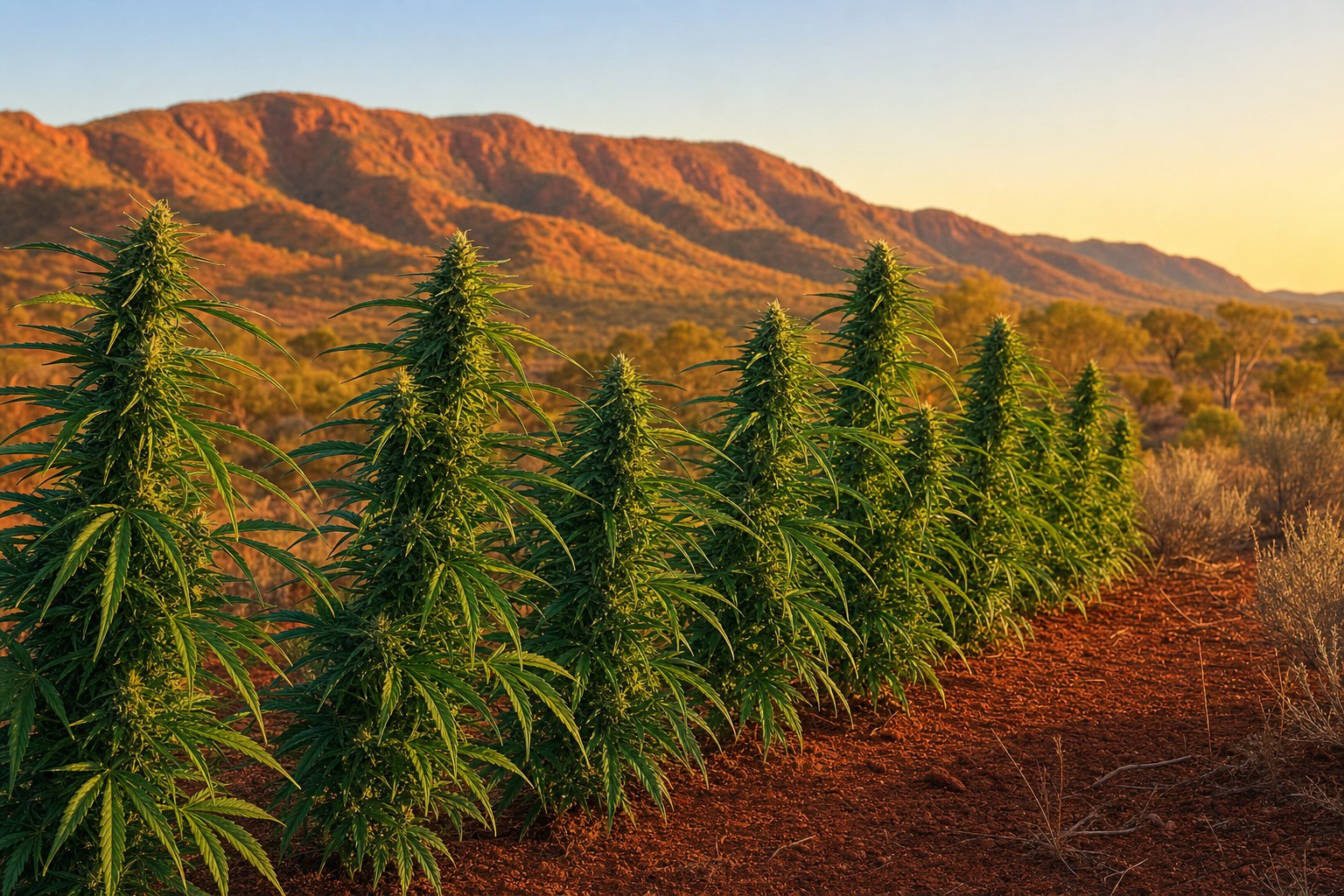
The best strains to grow in Australia are those matched to local heat, humidity, rainfall, daylight and season length. Fast-finishing genetics often suit cooler southern regions, while heat-tolerant types fit dry inland conditions and humidity-tolerant plants are better candidates for subtropical or tropical sites. The right choice depends on the property’s microclimate, not popularity alone.
By the Outback Seed Bank grow team
Key takeaways
- Start with climate: Match genetics to local temperature, humidity, rain and seasonal patterns.
- Consider flowering speed: Earlier finishes may reduce exposure to cool, wet autumn weather.
- Assess the actual site: Sunlight, airflow, wind and soil conditions can vary within one suburb or property.
- Choose useful traits: Open structure, manageable height and environmental resilience often matter more than reputation.
- Plan for variability: Seasonal weather and plant expression can differ, so no variety can guarantee a particular result.
- Check local rules: Requirements differ across Australia and can change over time.
What Makes a Strain Suitable for Outdoor Growing in Australia?
Australia’s size makes any single national recommendation unreliable. A variety that performs comfortably in a mild southern garden may struggle with tropical humidity, while a long-flowering plant suited to a warm northern season may run too late in a cool district. Selecting outdoor genetics is therefore an exercise in matching plant traits with place.
Climate, latitude and local growing conditions
Latitude influences seasonal daylight and temperature, but it is only part of the picture. Elevation, coastal exposure, surrounding buildings, tree cover and slope can change conditions substantially. A sheltered north-facing position may remain warmer than an exposed site only a short distance away.
Begin with the site’s usual daytime heat, overnight lows, humidity and rainfall. Then consider soil drainage, wind exposure and daily direct sun. Outdoor cannabis generally benefits from strong light and moving air, but harsh reflected heat or persistent wind can add stress. Genetics with sturdy branching may suit exposed sites, while plants with more open flower formation can be useful where humid air lingers.
Flowering time and the southern-hemisphere calendar
Photoperiod cannabis responds to changing day length. In much of Australia, spring supports establishment and vegetative growth as days lengthen. Flowering commonly develops after the summer solstice as nights gradually become longer, although timing varies by genetics, latitude and local conditions.
Finishing time matters because autumn weather differs greatly between regions. Cooler districts may bring falling temperatures, heavy dew and rain while late plants are still maturing. Fast or early-finishing genetics can narrow that period of exposure. Warm areas may support longer-flowering types, provided humidity, storms and other site pressures remain manageable.
Autoflowering genetics follow age more than seasonal day length. Their compact cycle can be useful where the warm window is short, but less recovery time means early stress may have a greater effect on final size. Photoperiod varieties usually allow more vegetative time and flexibility, yet they can become large when established early.
Resilience to heat, humidity and seasonal rain
Environmental resilience is not one universal trait. Heat tolerance does not automatically equal comfort in high humidity, and a plant that handles damp air may not thrive in dry, hot wind. Look for descriptions that distinguish between these pressures.
In rainy or humid places, an open branching pattern can improve airflow around leaves and flowers. In arid environments, vigorous root development and tolerance of temperature swings may be more valuable. Genetics can influence performance, but plant spacing, site selection and observation remain important throughout the season.
Best Strain Types to Grow Outdoors in Australia
Rather than selecting by a famous name, compare flowering window, expected structure and climate preferences. Seed descriptions are a starting point, not a promise. Individual plants can vary, even within a stable line, and outdoor weather always adds uncertainty.
Fast-finishing strains for cooler southern regions
Fast-finishing photoperiod varieties and autoflowering types are practical candidates for cooler parts of southern Australia. Their main advantage is timing: they may reach maturity before autumn conditions become consistently cold and wet.
Seek genetics described as early flowering, compact or suitable for shorter summers. Moderate height can also be useful where strong winds arrive late in the season. However, do not assume that the shortest advertised schedule is automatically best. The available spring and summer warmth, desired plant size and the timing of local rain should all inform the choice.
Heat-tolerant strains for hot, dry conditions
Hot inland and north-western locations call for genetics able to remain vigorous under high daytime temperatures and intense sunlight. Varieties associated with warm, dry climates often display longer internodes, narrower leaves or an airier structure, although expression varies.
A long flowering period may be workable where autumn stays warm, but extreme summer conditions still require careful site planning. Afternoon shade can be valuable in exceptionally exposed gardens, while strong root space and consistent watering help plants respond to dry conditions. Choose resilience rather than simply choosing the variety expected to grow largest.
Humidity-tolerant strains for subtropical conditions
Subtropical and some coastal locations combine warmth with moisture. Here, open structure and good airflow are valuable selection traits. Dense foliage and tightly packed flowers can hold moisture when rain, heavy dew or still air persists.
Earlier finishing can help in places where late-summer or autumn rainfall is common, but local patterns should guide the decision. Elevated garden positions, generous spacing and shelter from direct rain may reduce risk. Inspect plants regularly, especially after humid nights or storms, and remove damaged plant matter promptly with clean tools.
Compact strains for exposed or limited spaces
Compact feminised photoperiod varieties and autoflowering genetics may suit smaller gardens, windy positions or sites where height is difficult to manage. Shorter plants can be easier to support and inspect, though compact does not always mean discreet or low maintenance.
Check both likely height and horizontal spread. A broad, bushy plant may need as much room as a taller, narrower one. If the position is exposed, prioritise sturdy branches and manageable flower weight. Training can shape photoperiod plants, but the selected variety should already be reasonably compatible with the available area.
Choosing Strains by Australian Climate Zone
Temperate southern Australia
Much of southern Australia has mild to warm summers followed by cooler autumn conditions. Fast or medium-finishing photoperiod genetics are versatile options, while autoflowering types may fit a defined warm window. Look for tolerance of cool nights and occasional rain, particularly in elevated or coastal districts.
Local variation is significant. Frost-prone inland valleys, mild urban gardens and windy coastlines should not be grouped together without further assessment. Record first and last frost patterns, autumn rainfall and daily sun before comparing seed options.
Subtropical eastern Australia
Warmth can support vigorous growth, but humidity and seasonal rain may become major selection pressures. Genetics with open branching, moderate flower density and a suitable finish date are sensible candidates. Good airflow should be designed into the site rather than expected from genetics alone.
Coastal elevation, storm exposure and summer rainfall differ considerably from one location to another. A variety selected for a dry inland site at the same latitude may not be equally suited to a humid coastal garden.
Tropical northern Australia
Tropical regions present short seasonal changes in day length, high humidity and distinct wet and dry periods. Long-flowering, warm-climate genetics may appear compatible, but flowering behaviour can be less predictable than in strongly seasonal southern areas. Rain timing and persistent moisture deserve particular attention.
Outdoor planning should centre on the most favourable local weather window. Open plant form, strong airflow and access for frequent inspection are helpful. Gardeners should also account for intense sun, storms and rapid vegetative growth.
Hot, dry inland regions
Inland sites can experience intense sunlight, dry wind and large differences between day and night temperatures. Heat-tolerant genetics with vigorous roots and robust branches are logical choices. A site with morning and midday sun but some late-afternoon shelter may be more forgiving than a fully exposed position.
Water quality and soil drainage can be as influential as the variety itself. Avoid selecting long-flowering genetics without first considering whether autumn nights become too cold. In high-elevation inland areas, a fast finish may still be preferable despite hot summer days.
Planning for the Southern-Hemisphere Outdoor Season
Spring establishment and increasing daylight
Spring is the main establishment period for many outdoor photoperiod grows. Increasing daylight supports vegetative development, but cold starts, late frost and sudden weather changes remain possible. Genetics suited to the region should still be introduced according to actual local conditions rather than a fixed national date.
Early planting can produce larger plants because more vegetative time is available. That also means greater space, support and water requirements. Later establishment may keep plants more manageable, although less time is available to recover from setbacks.
Summer growth and weather exposure
During summer, monitor heat, wind, storms and irrigation demand. This is when differences between a sheltered garden and an exposed one become obvious. Support branches before severe weather, maintain spacing and watch for signs that the site is holding excess moisture.
Long days can drive rapid growth in photoperiod plants. Reassess available space rather than relying on the original estimate, and avoid crowding that restricts airflow. Autoflowering plants may already be flowering during summer, depending on their sowing time and growth cycle.
Autumn flowering and harvest considerations
Autumn brings shorter days and, in many regions, greater pressure from rain, dew and falling temperatures. Flowering speed becomes especially important now. Compare the plant’s progress with the near-term forecast and inspect dense areas after wet conditions.
Do not rely on a catalogue date as a fixed deadline. Outdoor maturity depends on phenotype, establishment time, latitude and weather. Visual assessment and regular observation provide a more useful guide than counting days alone.
Regional Grow Calendar
- Temperate south: Use spring for establishment, summer for vegetative growth and late summer into autumn for flowering. Favour an earlier finish where cool rain arrives quickly.
- Subtropical east: Plan around humidity, storms and local rainfall peaks. Maintain airflow through warm growth and flowering periods.
- Tropical north: Work with the local wet and dry pattern rather than applying southern dates. Day-length response and rain exposure require close attention.
- Hot inland: Establish after cold risk has eased, prepare for peak summer heat and check how rapidly autumn nights cool.
Questions to Ask Before Choosing Outdoor Genetics
How much direct sunlight does the site receive?
Observe the position across the day in spring and summer. Nearby trees, fences and buildings alter both light and airflow. Strong morning sun can help dry overnight moisture, while harsh afternoon exposure may increase heat stress in inland gardens.
Is the site exposed to wind, rain or high humidity?
Choose robust, open-structured plants for exposed or damp sites. Note where wind accelerates between buildings and where rainwater collects. A variety cannot compensate fully for a poorly drained, crowded or persistently shaded position.
How long is the local warm season?
Estimate the period between late cold events and the return of difficult autumn weather. Match the flowering window to that period, leaving some margin for seasonal variation. A long advertised finish is a questionable choice where autumn changes quickly.
Responsible Seed Selection and Local Rules
Check current state, territory and local requirements
Cannabis rules are not uniform across Australia. They can differ by jurisdiction, plant purpose and personal circumstances, and they may change. Readers are responsible for checking applicable state, territory and local requirements before obtaining seeds or undertaking any cultivation activity.
Match genetics to the site rather than relying on popularity alone
A popular strain can still be a poor environmental match. Build a shortlist using finish time, likely height, plant structure and stated climate tolerance. Then compare those traits with the site’s sunlight, humidity, temperature range and available season.
Final Checklist for Choosing an Outdoor Strain in Australia
- Identify the site’s broad climate zone and specific microclimate.
- Record direct sun, airflow, wind, rain exposure and drainage.
- Estimate the dependable warm-season window.
- Choose a flowering time that fits local autumn conditions.
- Prioritise heat, humidity or cool-weather resilience as required.
- Confirm that expected height and spread suit the available space.
- Allow for variation between plants, sites and seasons.
- Verify all applicable rules before proceeding.
The best outdoor choice for Australia is not a single universal strain. It is a well-matched set of traits: suitable flowering speed, practical structure and resilience to the site’s dominant weather pressures. Start with local conditions, compare genetics carefully and keep expectations flexible as the southern-hemisphere season unfolds.