

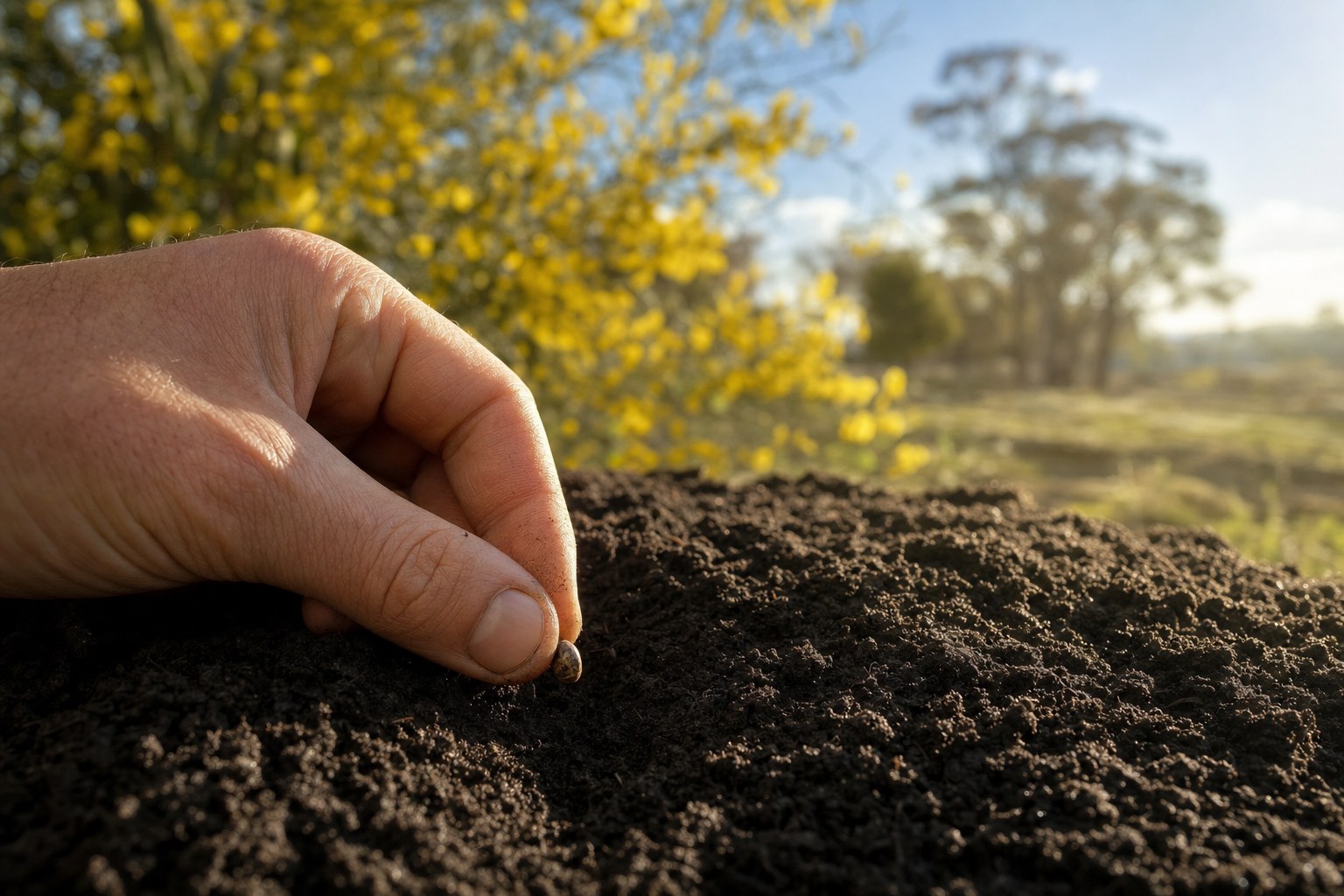
For most Australian outdoor growers, cannabis planting begins in spring, after the final local frost and once days are steadily lengthening. The best month varies by region: tropical areas may start earlier, temperate coastal zones often suit September to November, and cool southern districts may need to wait until October or November.
By the Outback Seed Bank grow team
Key takeaways
- Spring is the main outdoor planting season: Increasing daylight supports vegetative growth before flowering begins as days shorten later in summer.
- Local conditions matter more than a national date: Frost, soil temperature, rainfall, humidity and extreme heat all influence the right planting window.
- September to November suits many regions: Warmer northern areas may begin earlier, while cool and elevated locations may need to wait.
- Do not rush after one warm weekend: Look for a stable weather pattern and monitor overnight temperatures before moving young plants outdoors.
- Plan for the whole season: Planting time should align with summer water availability, autumn rain patterns and the expected flowering period.
- Check applicable rules: Cannabis laws and cultivation requirements vary between Australian jurisdictions and can change.
Understanding Australia’s southern-hemisphere growing calendar
Australia’s outdoor cannabis calendar is shaped by the southern hemisphere’s annual light cycle. Day length increases from the winter solstice in June towards the summer solstice in December. It then decreases through late summer and autumn. Photoperiod cannabis varieties generally use these changing day lengths as an important seasonal signal.
Spring’s lengthening days encourage vegetative development. Through this stage, plants build roots, stems, branches and foliage. As nights become longer after midsummer, photoperiod plants typically shift towards flowering. The exact response depends on genetics, latitude, exposure and local conditions, so flowering does not begin on one universal date.
Australia is also too large and climatically diverse for a single planting month. Conditions in tropical northern Queensland or the Top End differ greatly from Tasmania, alpine districts, southern Victoria or elevated parts of New South Wales. Coastal humidity, inland heat, seasonal rainfall and local frost patterns can be just as important as latitude.
Autoflowering varieties follow a less light-dependent timeline, but they still need suitable temperatures, adequate sunlight and stable growing conditions. Their shorter lifecycle makes timing especially important because prolonged early stress leaves less time for recovery.
When to plant cannabis in Australia
As a broad guide, the outdoor cannabis planting window across much of Australia runs from September through November. This is not a fixed national rule. The practical goal is to start when frost risk is low, the soil is warming, daylight is increasing and young plants can establish without immediately facing severe heat, cold or prolonged rain.
Starting early can provide a longer vegetative period and potentially larger plants, but it also exposes seedlings to unstable spring weather. Starting later may offer warmer soil and fewer cold nights, although plants then have less time to develop before seasonal flowering signals become stronger. The best balance depends on climate, available space and how easily plants can be sheltered from short-term weather changes.
Tropical and subtropical regions
In tropical northern Australia, the familiar spring-to-autumn pattern is less reliable than it is in southern regions. Warm temperatures may allow several possible starting periods, but strong wet and dry seasons can dominate the calendar. High humidity, intense rain and storm activity can create more pressure than cool weather.
Growers in tropical districts should consider when heavy seasonal rain usually arrives and how flowering may overlap with humid conditions. Excellent drainage, generous spacing and open airflow are particularly valuable. In some locations, the late dry season or early build-up may provide a useful window, but local day length and rainfall patterns should guide the decision.
Subtropical coastal areas often suit starts from late winter into spring where nights are reliably mild. Inland subtropical districts may still experience cold snaps, so growers should not assume that a warm daytime climate means frost-free nights.
Temperate coastal regions
Temperate coastal districts, including much of coastal New South Wales, southern Queensland, parts of Victoria, South Australia and south-west Western Australia, commonly suit planting from September to November. Sheltered, warmer sites may be ready earlier than exposed valleys or windy coastal blocks.
September planting can deliver a long growing season, but seedlings may encounter cool nights, strong winds and variable rainfall. October is often a balanced option, with warmer soil and steadily increasing daylight. November remains viable in many locations, especially for growers seeking more compact plants or those who experienced a late spring.
Coastal growers should also think ahead to late-summer and autumn humidity. A location with morning sunlight, space between plants and consistent air movement is preferable to a shaded pocket where moisture lingers.
Cool and southern regions
In Tasmania, southern Victoria, highland areas and cool inland districts, October to November is generally more suitable than early spring. Late frosts can damage young growth, while cold and saturated soil can slow establishment. Elevated areas may require an even more cautious approach.
Use local frost history rather than the calendar alone. If the final frost date varies widely from year to year, keeping seedlings in a bright, protected location until conditions settle can reduce risk. Plants moved outdoors should be introduced gradually to stronger sunlight, wind and wider temperature swings.
The shorter frost-free season also makes variety selection and anticipated flowering time important. A plant that finishes later may encounter cool autumn nights and rain, so planting plans should account for the likely conditions at the end of the cycle as well as at the beginning.
Inland and arid regions
Inland Australia can combine cold spring nights with rapid daytime warming. Frost may persist even when afternoon temperatures feel summery. Planting too early risks cold stress, while planting too late can place young plants into severe heat before their root systems are well established.
For many inland districts, mid-spring offers the most practical balance. Wait until overnight conditions are stable, then aim to establish plants before peak summer heat. Wind exposure, low humidity and fast moisture loss should influence site choice. Light afternoon shade may be useful in extremely hot locations, although plants still need strong daily light.
Water quality and reliability are central planning factors in arid areas. Soil and containers can dry rapidly, so deep root space, surface mulch and regular moisture checks matter more than relying on a rigid watering timetable.
Spring: preparing and starting seeds
Spring preparation should begin before the preferred planting date. Choose a site that receives abundant direct light, drains freely and is not boxed in by walls or dense vegetation. Observe it across the day, because a sunny-looking spot in winter may have a different light pattern by late spring.
Prepare the growing area so roots can access oxygen, moisture and suitable nutrition without sitting in waterlogged material. Containers need ample drainage openings and enough volume for the expected plant size. In-ground sites should not form puddles after rain. Avoid compacting the root zone by repeatedly walking over it.
Seeds and very young seedlings need consistent moisture rather than extremes. The starting medium should remain lightly moist, not saturated. Once seedlings emerge, provide bright light and gentle air movement. If they begin in a sheltered environment, gradually increase their exposure to outdoor sun over several days. A sudden move from mild light to full Australian spring sun can scorch tender foliage.
Using local frost dates, daylight and weather patterns
A local final frost date is a useful reference, but it is an average rather than a promise. Compare it with current forecasts, overnight temperatures and observations from your own property. Low-lying ground can hold colder air, meaning one part of a garden may frost while a slope nearby remains unaffected.
Day length also varies by latitude. Southern locations experience larger seasonal swings, while tropical regions have less variation. Photoperiod plants started very early under artificial light can react poorly if moved into shorter outdoor days, so any transition should account for the natural daylight available at that time.
Look beyond temperature to wind, rainfall and cloud cover. A run of calm, mild days offers a better establishment period than a warm day followed by storms or cold nights. Flexible timing is often more useful than committing to a date months in advance.
Choosing a suitable planting window
Choose a window by working through four questions. First, has the local frost risk dropped to an acceptable level? Second, are nights and soil consistently warming? Third, is there enough increasing daylight for healthy vegetative development? Fourth, can you support the plant through the heat, rain or dry conditions expected later?
Early planting suits growers with a long, stable season, adequate space and the ability to protect young plants during cold snaps. Mid-spring planting is a balanced choice in many temperate regions. Late-spring planting may suit cool districts, exposed sites or situations where a smaller final plant is preferred.
Avoid repeatedly moving plants between dramatically different environments. Once established outdoors, consistency in light, moisture and exposure generally supports steadier growth.
Summer: supporting active growth
By summer, established outdoor plants may grow rapidly. Longer days around December support vegetative development, while the gradual shortening after the solstice contributes to the seasonal transition towards flowering. Summer work should focus on maintaining stable root-zone moisture, airflow and physical support.
Managing heat, water and airflow
Check moisture by assessing the growing medium rather than watering automatically every day. Hot, windy weather may increase demand, while overcast or humid periods may slow drying. Watering deeply and then allowing appropriate air to return to the root zone is generally preferable to keeping the surface constantly saturated.
Mulch can moderate soil temperature and reduce evaporation, but leave a small gap around the main stem. In containers, pale outer surfaces or protection from intense afternoon heat can limit root-zone temperature spikes. Ensure drainage remains open.
Provide enough room for air to move through and around each plant. Avoid crowding plants against fences or dense shrubs. Branch support may be added before summer storms arrive, as installing it after damage is more difficult.
Watching for storms, humidity and pests
Inspect plants regularly, including leaf undersides, branch junctions and dense interior growth. Early observation makes physical responses more practical. Remove fallen plant debris, keep the surrounding area tidy and avoid leaving foliage wet late in the day where possible.
After storms, check for split branches, leaning containers and areas where water has pooled. Restore support promptly and maintain airflow around damp foliage. Pest management requirements differ by jurisdiction and crop setting, so follow applicable local authority directions where relevant.
Autumn: flowering and harvest timing
As late-summer and autumn nights lengthen, photoperiod plants usually progress through flowering. The calendar varies by variety and region. Early-flowering plants may finish while conditions remain warm, whereas later plants can overlap with cool nights, dew and autumn rain.
Continue checking weather forecasts and plant structure. Heavy flowers may need support, particularly before wind or rain. Reduce unnecessary handling and maintain clean tools and surroundings. Harvest readiness should be judged from plant maturity rather than a fixed date printed on a calendar.
Regional conditions remain important. Tropical humidity may intensify flower-management challenges, temperate coastal areas can receive autumn rain, and southern districts may face rapidly falling temperatures. Inland sites often retain warm days but cool sharply overnight.
Winter: review and plan for the next spring
Winter is the planning season for most outdoor growers. Review which parts of the site received the best sun, where water collected, how wind moved through the area and whether summer irrigation was practical. Clean reusable equipment, assess container condition and improve drainage before spring demand returns.
Record planting dates, major weather events, first flowering signs and the final seasonal outcome. A simple garden journal creates a location-specific calendar that becomes more useful than broad national averages. Compare several seasons before drawing conclusions, because Australian weather can vary substantially from year to year.
Regional grow calendar at a glance
- Tropical north: Plan around wet and dry seasons rather than relying only on spring. Prioritise drainage and airflow.
- Subtropical regions: Late winter to spring may suit mild districts, but check inland frost exposure and seasonal humidity.
- Temperate coast: September to November is the broad planting window, with October offering balanced conditions in many areas.
- Cool south and highlands: October to November is often safer after frost risk declines and soil warms.
- Inland and arid districts: Aim between late frost and extreme summer heat, often during mid-spring.
The best answer to when to plant cannabis in Australia is therefore regional, not national. Use spring as the starting framework, then refine the date with local frost records, current forecasts, daylight, rainfall and the conditions expected during flowering. A stable planting window and a full-season plan are more valuable than chasing the earliest possible start.