

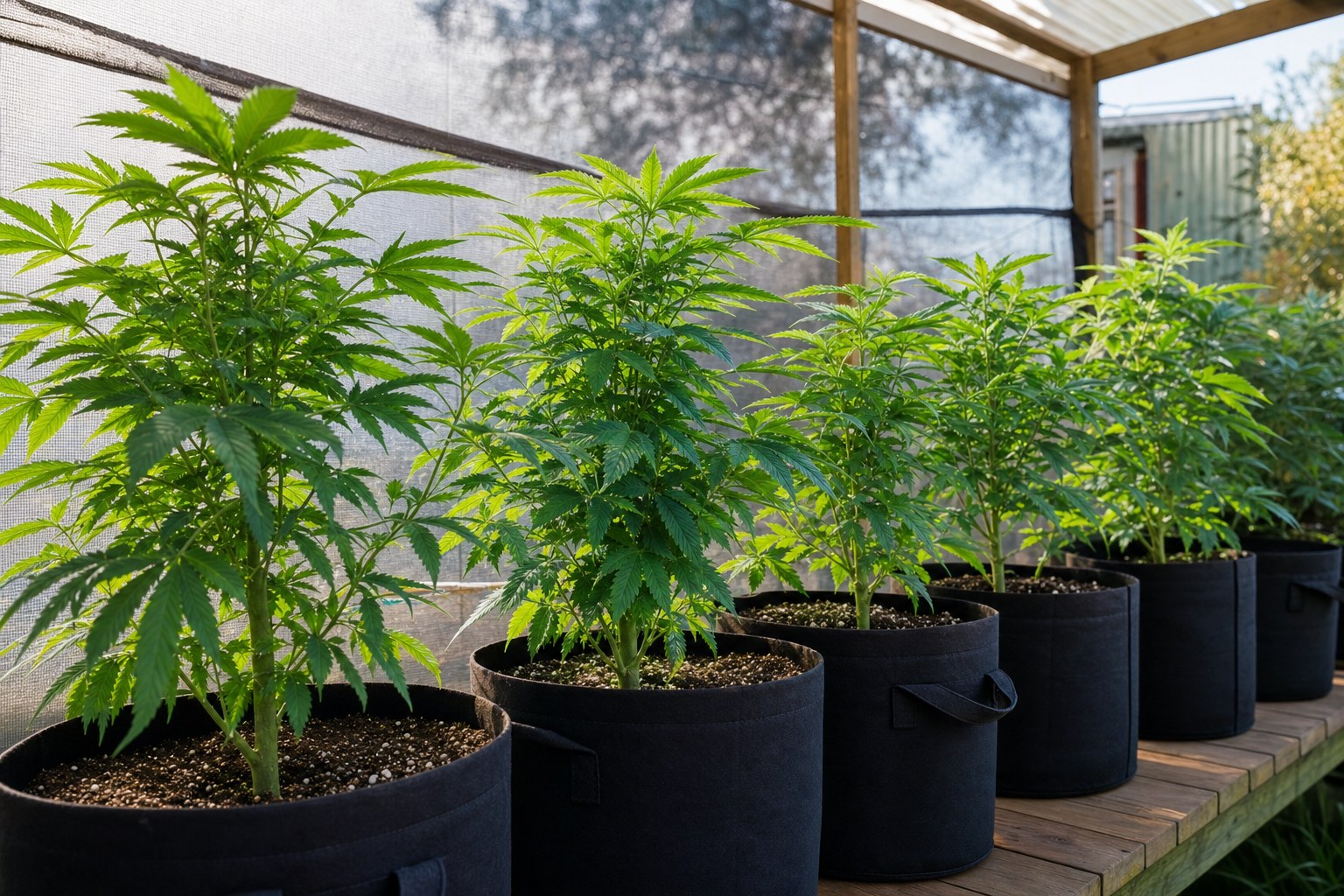
The easiest strains to grow for Australian beginners are Northern Lights, White Widow, Blue Dream, Critical, Super Skunk Auto, Blueberry, AK-47, Power Plant, Northern Lights Auto and Amnesia Haze Auto. These choices are known for manageable growth, dependable structure or simple schedules, although every plant still needs suitable light, airflow, nutrition and attention.
Key takeaways
- Choose genetics with steady growth, moderate stretch and tolerance for small environmental fluctuations.
- Feminised seeds simplify plant selection, while autoflowers provide a shorter, age-driven schedule.
- Australian growers should plan around local heat, humidity, frost dates, daylight and rainfall.
- Simple setups usually outperform complicated systems when you are learning.
- Always check current state, territory and local requirements before germinating or growing cannabis.
What makes a strain beginner-friendly?
A beginner-friendly strain gives a first-time grower room to learn. It should establish steadily, respond predictably to ordinary care and remain manageable in the available space. No genetics can compensate for consistently poor conditions, but a forgiving cultivar may cope better with an occasional watering error, minor temperature swing or imperfect feeding routine.
Look beyond bold descriptions and consider practical traits. Plant height, flowering time, branch spacing, humidity tolerance and likely stretch all affect how demanding a grow becomes. A compact plant may suit a small tent or private courtyard, while a taller cultivar needs more room and planning. Outdoor suitability also depends heavily on the grower’s Australian region.
Straightforward growth, manageable size and forgiving habits
Steady, uncomplicated development is valuable on a first run. Plants with an orderly branch pattern are easier to inspect, water and support. Moderate internodal spacing also helps air move around the foliage without requiring constant pruning. If space is limited, select a naturally compact cultivar rather than relying on repeated high-stress training.
Beginners should prioritise healthy fundamentals over advanced techniques. Use a suitable growing medium, maintain drainage and allow the root zone to lose some moisture between waterings. Keep the feeding plan modest and make one adjustment at a time. When several inputs change together, it becomes difficult to identify why leaf colour or growth rate has shifted.
Forgiving does not mean indestructible. Even sturdy plants can struggle with saturated roots, excessive fertiliser, severe heat or stale air. Daily observation is the most useful beginner habit: note leaf posture, pot weight, new growth, temperature and visible pests. Small observations made regularly are more useful than dramatic corrections made late.
Feminised, autoflower and regular seeds compared
Feminised seeds are commonly selected by first-time growers because they are intended to produce female plants. This simplifies space planning and reduces the need to identify and remove males. Photoperiod feminised plants remain in vegetative growth under long light periods and begin flowering when the light cycle shortens, naturally outdoors or deliberately indoors.
Autoflower seeds begin flowering according to age rather than a major change in day length. Their shorter life cycle and generally compact form can be convenient, but their limited recovery time means early errors may have a larger effect. Gentle handling, final pots from an early stage and restrained feeding are sensible approaches.
Regular seeds may produce male or female plants. They can be rewarding for experienced growers interested in selection, but they add identification and space-management tasks. Read our comparison of feminised, autoflower and regular seeds before deciding which format fits your first setup.
Before growing cannabis in Australia
Check your state or territory laws and local rules
Cannabis rules differ across Australia and may change. Seed possession, germination, cultivation, plant numbers and growing locations can be regulated differently. Do not assume that a rule applying in one jurisdiction applies elsewhere, and remember that council, tenancy, strata or property conditions may also be relevant.
Review current official requirements for your location before taking action. Our general explainers on whether cannabis seeds are legal in Australia and whether it is legal to grow cannabis in Australia provide useful starting context, but they are not a substitute for current advice specific to your circumstances.
Match the setup to Australia’s southern-hemisphere seasons
Australian outdoor timing runs opposite to northern-hemisphere calendars. Photoperiod plants generally establish through spring and vegetate as days lengthen, then move towards flowering as daylight decreases after summer. Exact timing varies with latitude, cultivar, microclimate and seasonal weather. Consult our guide to when to plant cannabis in Australia for broader planning information.
Indoor growers can set light schedules independently of the season, but the outdoor climate still affects room temperature and humidity. Summer cooling may be the major challenge in northern or inland regions, while winter heating may matter in southern locations. An intake drawing hot roof-space air can overwhelm an otherwise sensible setup.
Regional notes and grow calendar
- August to October: Plan the site, check local requirements and prepare containers or beds. Frost-prone southern districts may need to wait until conditions settle.
- September to November: Spring establishment may suit many temperate locations. Give young plants shelter from cold snaps, harsh wind and sudden midday heat.
- December to February: Monitor water demand, root-zone temperature and sun exposure. Tropical and subtropical humidity can raise mould pressure, while inland areas may face intense dry heat.
- February to April: Many outdoor photoperiod plants move through flowering. Rainfall, cool nights and reduced airflow deserve close attention.
- May to July: Outdoor options become more limited in cold regions. Use this period to clean equipment, review notes and plan the next suitable window.
Northern tropical growers often work around wet and dry seasons rather than a conventional four-season model. Coastal humidity calls for open structure and strong air movement. Temperate southern growers must account for frost and autumn rain. Arid and inland growers should prioritise shade planning, mulch where appropriate and careful irrigation without keeping roots constantly wet.
The 10 easiest strains to grow for first-time growers
1. Northern Lights
Northern Lights is a classic first-grow candidate because it is commonly associated with compact structure, moderate stretch and an uncomplicated branching pattern. Those traits make it easier to fit under indoor lights and simpler to inspect. Outdoors, its relatively discreet stature may suit containers where local conditions and rules permit.
Use a light hand with watering and feeding, especially while the root system is small. Indoors, basic low-stress branch positioning can spread the canopy, but extensive training is unnecessary. Keep air moving through the lower foliage as the plant fills out.
2. White Widow
White Widow is often chosen for its vigorous, balanced growth. It can suit growers who want a plant robust enough for basic training without requiring an elaborate canopy system. Its branching can become dense, so occasional leaf thinning and good fan placement help maintain airflow.
Allow enough room between plants rather than packing a tent tightly. Outdoors, check inner branches after rain and during humid spells. Consistent conditions are preferable to aggressive input changes, particularly when the plant shifts from vegetative growth into flowering.
3. Blue Dream
Blue Dream can be approachable for beginners who have adequate vertical space. It may stretch more than compact indica-dominant choices, so early height planning matters. Low-stress training or topping during healthy vegetative growth can create a broader, more even canopy.
This choice best suits a grower willing to guide branches before flowering. Indoors, do not wait until stems approach the light before managing height. Outdoors, provide wind support in exposed areas and leave generous spacing for air movement.
4. Critical
Critical is valued as a straightforward option with quick, vigorous development. Its energetic growth can provide useful feedback to beginners because changes in watering, light or nutrition may become visible promptly. It can also form substantial flower clusters, making airflow and branch support important later in the cycle.
Avoid letting the canopy become crowded. Use soft ties or stakes before branches carry significant weight, as adding support early is easier than correcting leaning stems later. In humid districts, inspect dense flowering areas frequently.
5. Super Skunk Auto
Super Skunk Auto combines a compact autoflower format with generally straightforward growth. It suits small setups and growers who want to avoid changing the light schedule to initiate flowering. The trade-off is a short vegetative window, so stress early in life may reduce the plant’s final size.
Start in the intended final container to avoid unnecessary root disturbance. Use an airy medium, modest nutrition and gentle branch positioning only if the plant is growing strongly. Avoid stacking several training methods onto a young autoflower.
6. Blueberry
Blueberry is a manageable choice for growers who prefer a bushier plant with moderate height. Its broad foliage can overlap as branches develop, so spacing and selective leaf removal may be useful. It generally fits indoor gardens well when given enough horizontal room.
Stable temperatures are preferable, and strong airflow should not blast one side of the plant continuously. Rotate containers where practical so growth receives even light. Outdoors, protect containers from prolonged heavy rain and check that drainage remains open.
7. AK-47
AK-47 is often regarded as vigorous and adaptable, making it a practical learning plant where sufficient space is available. Its branching responds well to simple canopy shaping, and beginners can use ties to keep dominant shoots at a similar height.
Because growth can be energetic, check plant-to-light distance regularly indoors. Feed according to observed demand rather than assuming vigorous genetics require maximum-strength nutrients. Dark, clawed leaves can indicate that the overall input is too strong.
8. Power Plant
Power Plant is a sensible option for beginners who want fast vegetative momentum and a relatively uniform shape. Its upward growth means it benefits from height planning, yet the branch structure can remain easy to organise under a light.
Top or bend only while the plant is healthy and allow recovery before making another adjustment. Outdoors, a sunny position and support against strong wind are valuable. Indoors, maintain an even canopy so lower branches are not heavily shaded.
9. Northern Lights Auto
Northern Lights Auto offers the compact appeal of the photoperiod classic in an age-driven format. It can suit a small tent or a sunny outdoor container during a favourable weather window. Its quick schedule rewards preparation: have the final pot, medium and light arrangement ready before germination.
Do not overwater the small seedling in a large container. Apply water around the developing root zone, then expand the watered area as growth increases. Minimise transplanting and use only gentle training.
10. Amnesia Haze Auto
Amnesia Haze Auto is the most ambitious selection on this list, but the autoflower format makes its schedule easier to understand than a tall photoperiod haze. It may still stretch and appreciate stronger light, making it best for beginners with moderate vertical space.
Use soft ties early to guide the main stem and keep light exposure even. Maintain airflow around the full canopy and avoid excessive nitrogen as flowering advances. In outdoor containers, choose a warm, bright period that avoids the wettest local months.
How to choose your first strain
Start with your constraints rather than a favourite name. Measure the available height and floor area, decide whether the grow will be indoors or outdoors, and consider how much daily attention you can provide. Compact Northern Lights or an autoflower may suit a limited space, while Blue Dream or Power Plant may suit a larger area with training room.
Choose one or two similar cultivars rather than filling a first setup with plants that have very different heights and schedules. Uniform needs make lighting, feeding and watering easier to manage. Keep written notes throughout the cycle, including dates, water volume, environmental readings and plant responses. The easiest strain becomes much easier when paired with a simple plan, suitable regional timing and consistent observation.