

CBD Ratio 1:30 Seeds
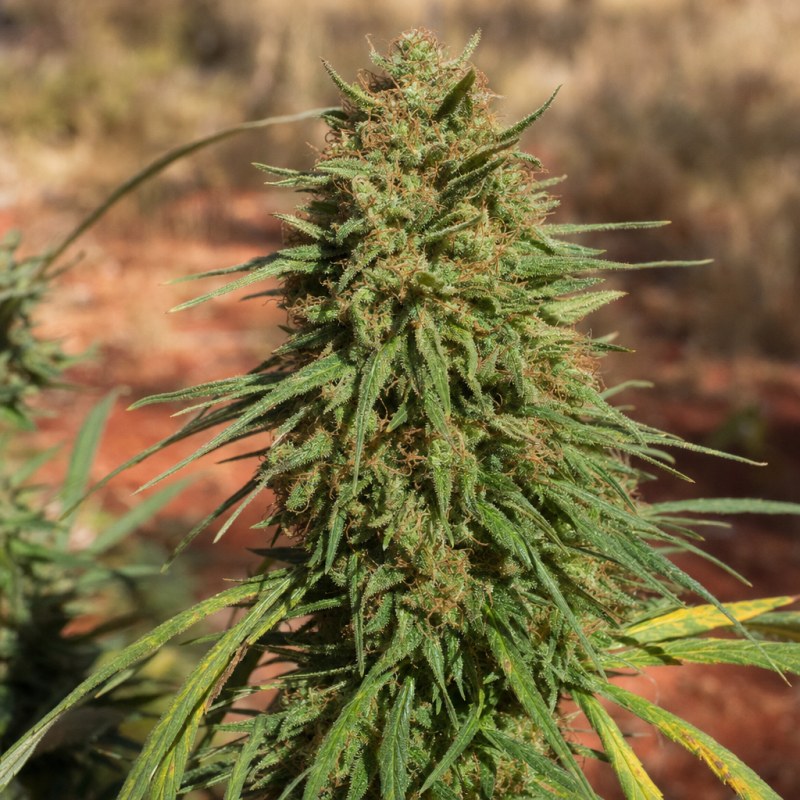
CBD Ratio 1:30 is a feminised, high-CBD cultivar with pine and woody notes, plus subjectively uplifting and energetic effects.
| Shop | Seed packs | Price per pack | View |
|---|---|---|---|
| Blimburn | AUD |
Converted price per pack; the shop confirms the final price.
Specifications
How to read these details
These details are catalogue information. A listed value is not an independent measurement or a guarantee.
A range gives a lower and an upper value. “Not provided” means the catalogue does not contain that information; it does not mean zero.
- Genetics
- High CBD
- Climate
- Temperate
- Yield indoor
- up to 450–500 g/m²
- Yield outdoor
- up to 350–500 g/plant
Effects
Flavours
Terpenes
Description
Genetics & effects
CBD Ratio 1:30 is a feminised, high-CBD cultivar presented in the Outback Seed Bank catalogue. Its reported profile is 60% sativa and 40% indica, with 26–30% CBD and 0.5–1% THC. These percentages are catalogue specifications that may vary rather than guaranteed measurements. The cultivar name does not, by itself, establish an exact cannabinoid ratio for every plant or harvest.
Reported subjective experiences include feeling creative, energetic and uplifted. Individual impressions can differ, so these descriptors are best used for comparison rather than as assured outcomes. Pine and woody flavours define the listed aromatic direction, while myrcene and alpha-pinene are the reported terpenes. Together, these details suggest a fresh, resinous and forest-like profile without fixing how strongly each note may be perceived.
Explore feminised seeds, cbd seeds, the Australian grow guide, and the planting calendar.
Growing in
This cultivar is listed for a temperate climate and has a beginner difficulty rating. That rating provides a broad catalogue comparison only; growing conditions, plant variation and seasonal changes can all influence performance. No separate indoor or outdoor height range has been established, so expected stature cannot be stated from the available specifications.
Australian seasons run from spring in September–November and summer in December–February to autumn in March–May and winter in June–August. Temperate conditions vary considerably across Australia, and the climate listing should not be taken as evidence of suitability for every location. Readers comparing formats can also browse feminised seeds and CBD seeds.
Indoor
The reported indoor yield is 450–500 g/m². This is a catalogue range, not a guaranteed result, and actual output may differ with the growing environment and plant expression. The stated flowering period is 10–12 weeks. It refers specifically to the flowering stage rather than a complete life cycle, and no total life-cycle figure is established.
Because indoor height is unspecified, comparisons should focus on the documented cannabinoid profile, flowering range, aromatic character and yield figure. The beginner rating may help position CBD Ratio 1:30 against more demanding catalogue entries, but it does not remove the normal variability associated with cultivation.
Outdoor
The reported outdoor yield is 350–500 g/plant under temperate conditions. Outdoor height is not established, and no specific regional planting window or harvest month is provided. Local daylight, weather and seasonal transitions can differ even within temperate parts of Australia, making the broad climate category more useful for initial comparison than precise planning.
Harvest
At harvest, the key reported markers are 26–30% CBD, 0.5–1% THC, pine and woody flavours, and the listed myrcene and alpha-pinene terpene profile. The 10–12-week specification remains a flowering-stage duration, not a full seed-to-harvest timeline. Indoor and outdoor yield ranges should likewise be read as variable catalogue figures rather than promises. CBD Ratio 1:30 is therefore most clearly distinguished by its feminised format, high-CBD positioning, sativa-leaning balance and fresh, woody aromatic profile.
Frequently asked questions
What THC and CBD ranges are listed for CBD Ratio 1:30?
The reviewed specification lists 0.5–1% THC and 26–30% CBD. These figures describe the catalogue profile; phenotype, environment and testing can change measured levels.
How long does CBD Ratio 1:30 take to flower?
The listed flowering window is 10–12 weeks. Actual timing can vary with phenotype and growing conditions, so use the range as a planning reference rather than a guarantee.
Which Australia conditions suit CBD Ratio 1:30?
The reviewed profile lists temperate conditions and a beginner difficulty rating. Local daylight, weather, site exposure and care still influence how a plant develops.
What cannabinoid profile is reported for CBD Ratio 1:30?
The reported catalogue range is 26–30% CBD and 0.5–1% THC. These figures may vary and are not guaranteed measurements.
How long is the flowering period?
The reported flowering period is 10–12 weeks. This covers the flowering stage only and is not a full seed-to-harvest life cycle.
What yields are listed for CBD Ratio 1:30?
Reported yields are 450–500 g/m² indoors and 350–500 g/plant outdoors. Actual results can vary, and indoor and outdoor height ranges are not established.
Related genetics
$100 OG
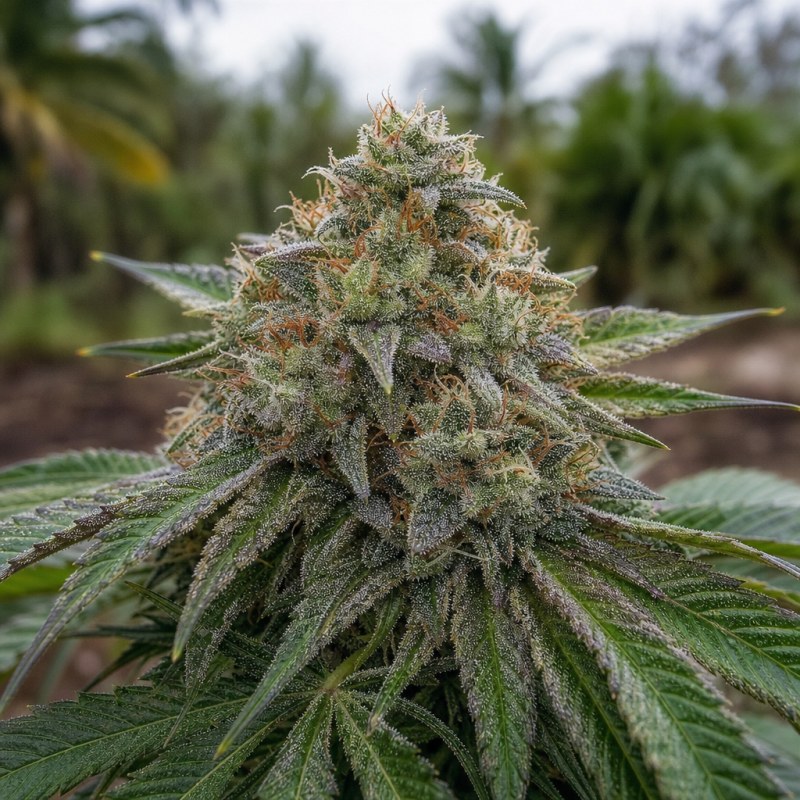
$100 OG is a feminised hybrid cultivar associated with OG Kush genetics, with reported THC of 18–24% and CBD of 0–1%.
13 Dawgs
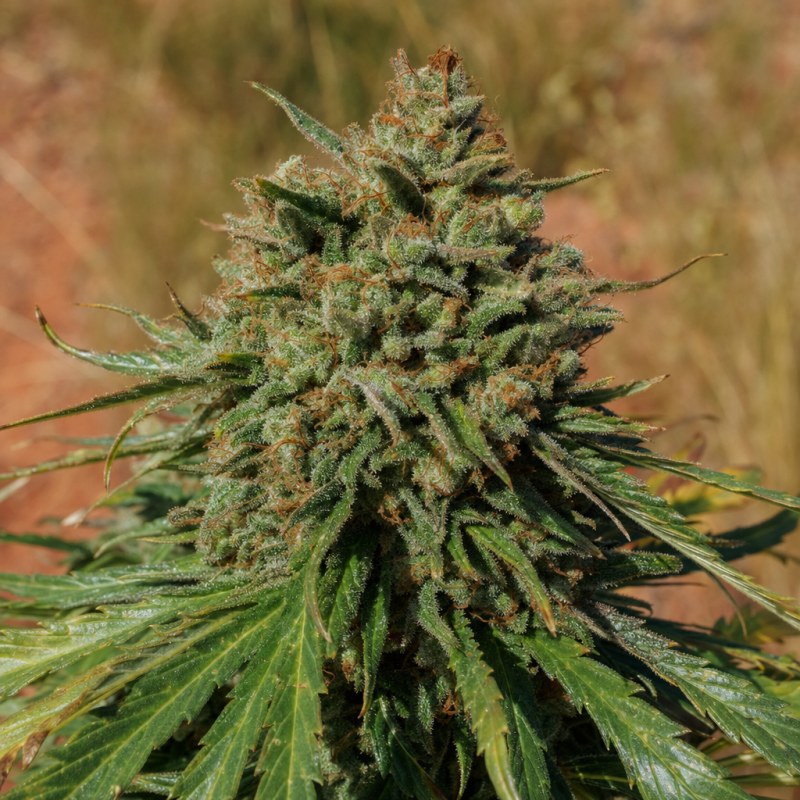
13 Dawgs is a feminised hybrid cultivar documented as Chemdawg × G13, with reported earthy and sweet flavour descriptors.
3D CBD
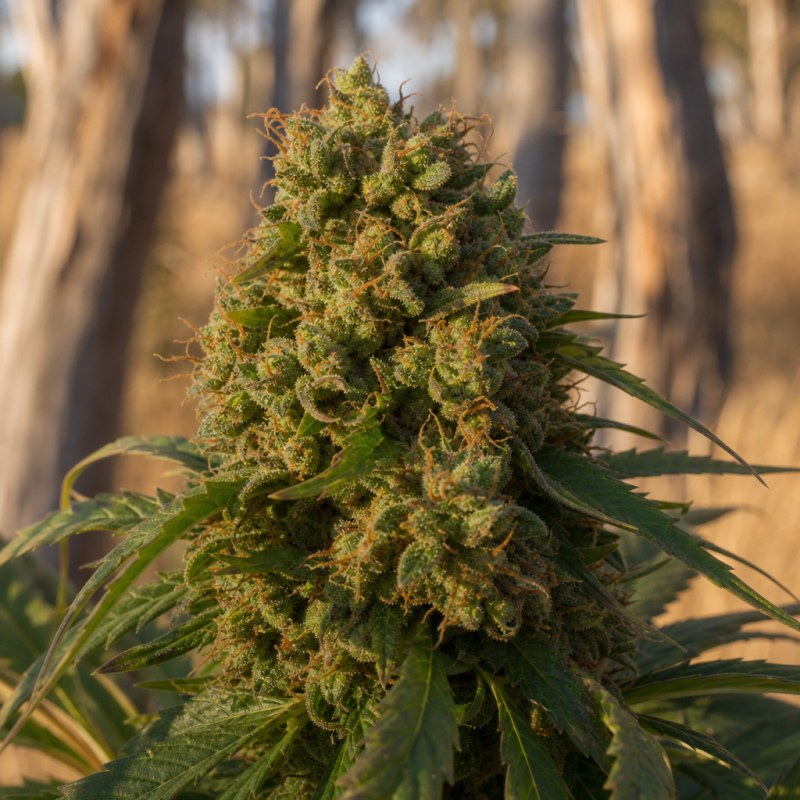
3D CBD is a feminised, CBD-profile cultivar with reported earthy and pine notes and a sativa phenotype.
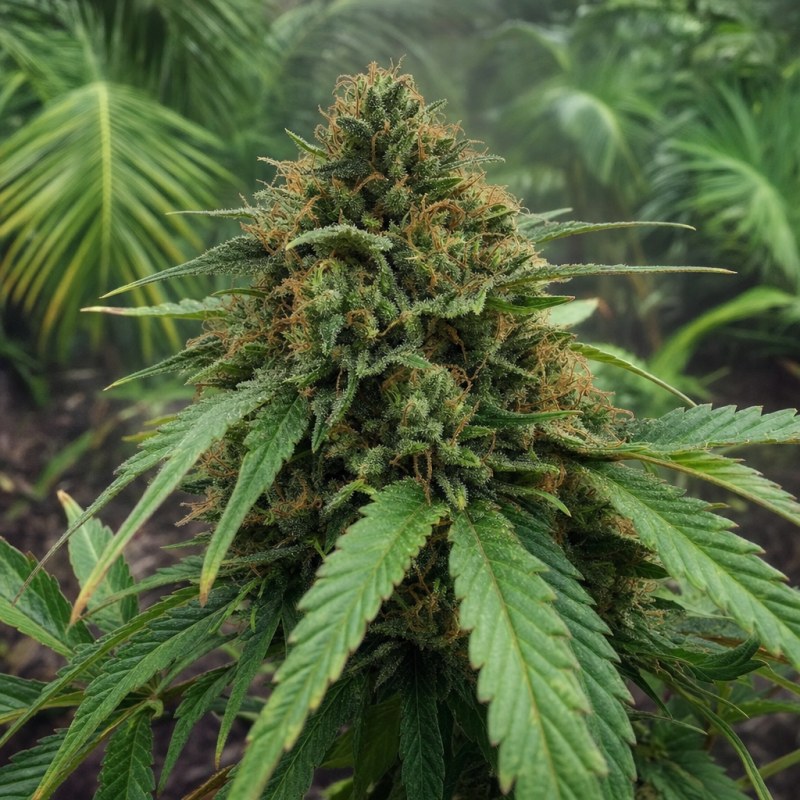
501st OG
501st OG is a feminised hybrid cultivar with documented Rare Dankness #1 and Skywalker OG lineage and earthy, pine notes.
Related grow guides
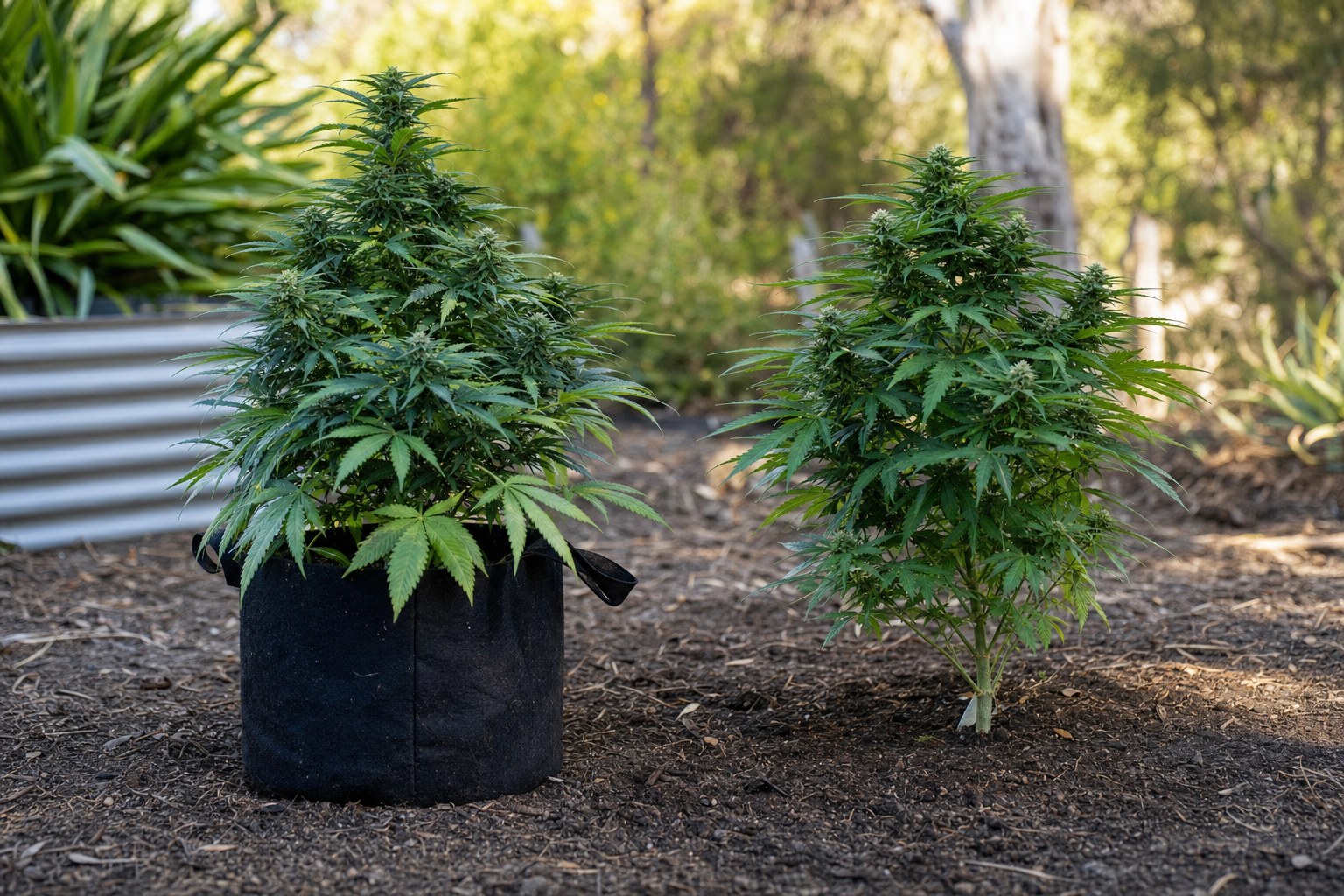
Growing Cannabis in Pots vs In the Ground in Australia
Compare pots and open ground for cannabis cultivation, including root space, drainage, weather exposure and regional spring conditions across Australia.
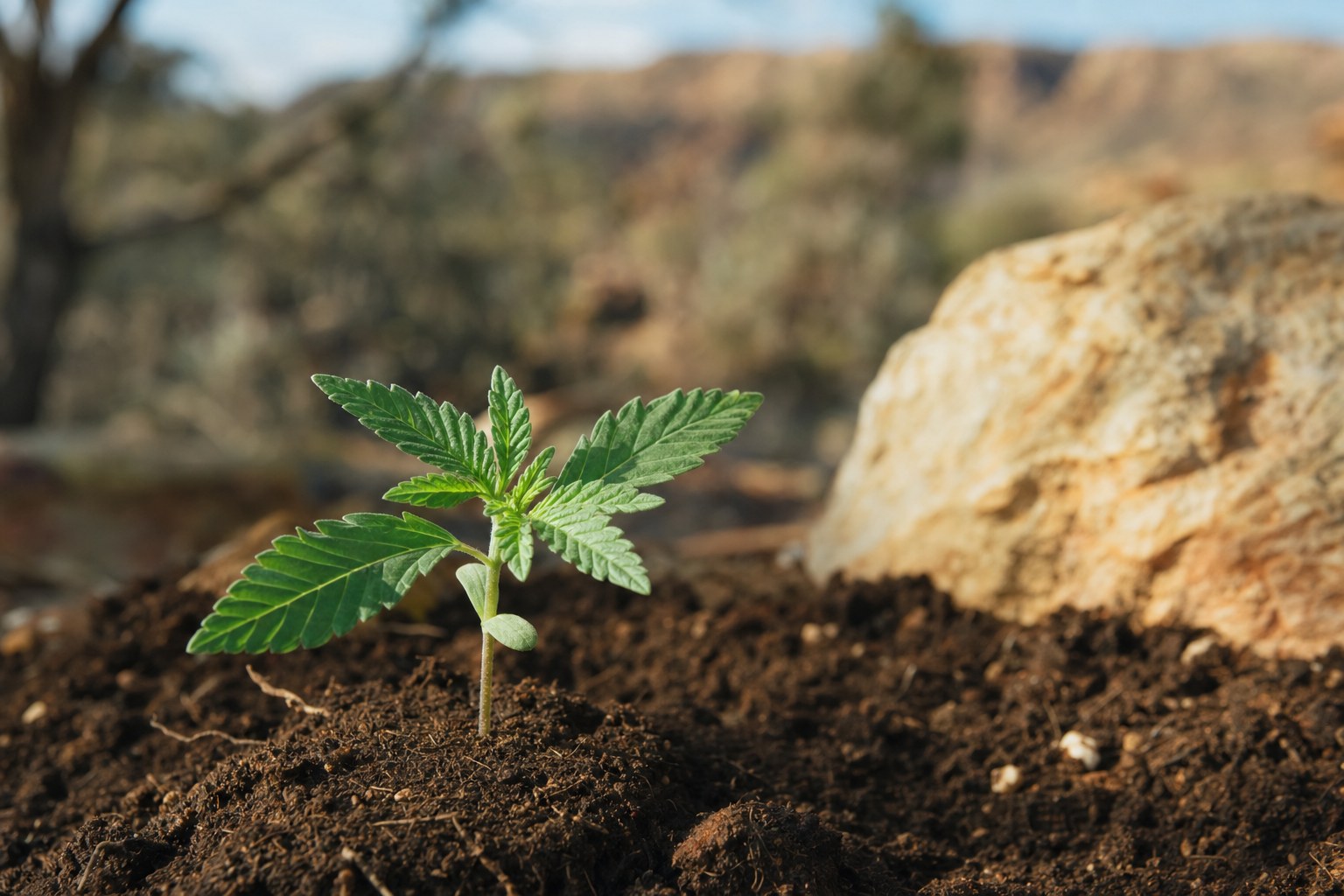
Cannabis Seedling Care: The First Two Weeks
Learn how to manage light, moisture, airflow and temperature during the first two weeks of cannabis seedling growth in Australian spring conditions.
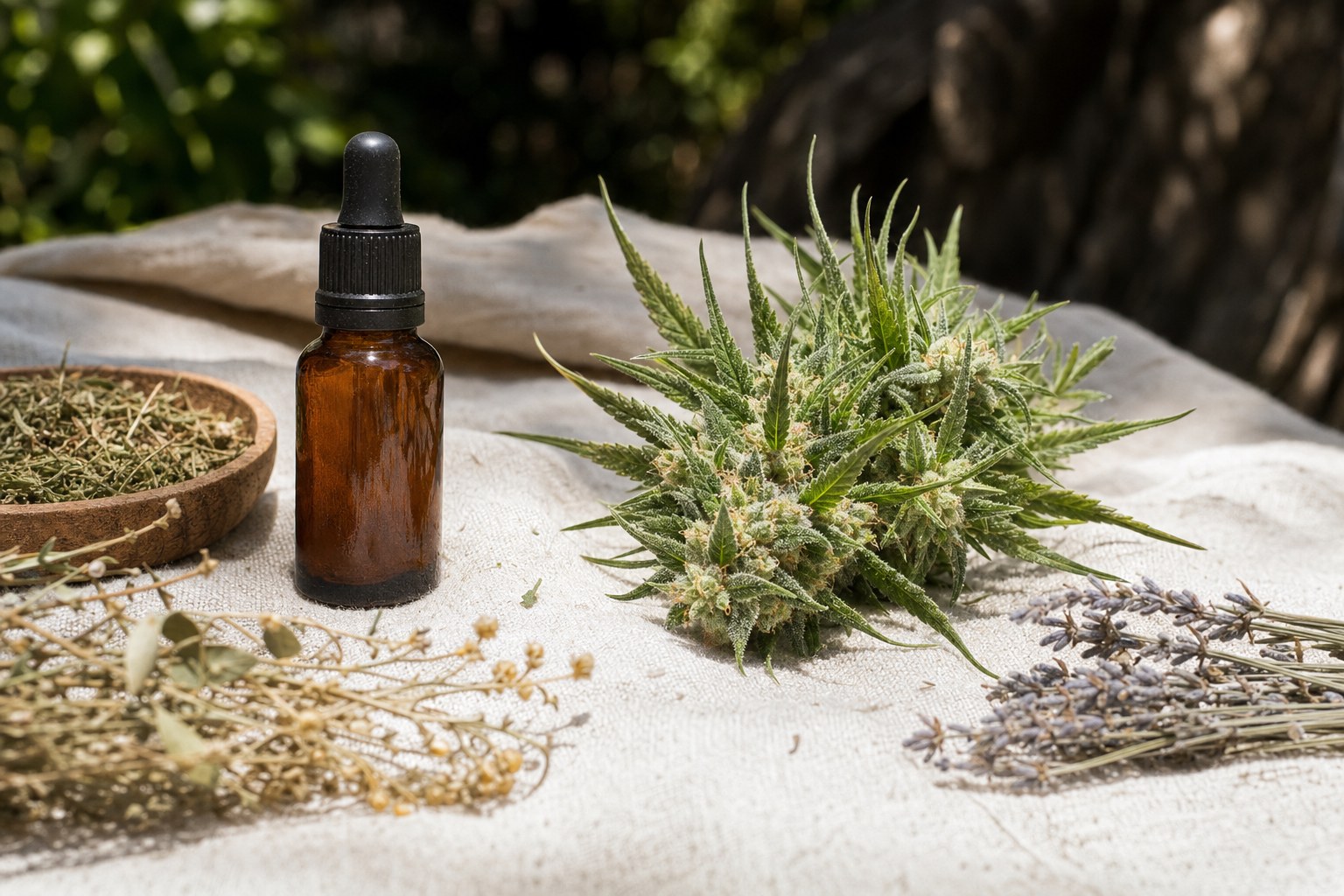
Best CBD Strains to Grow in Australia
Compare CBD seeds in Australia by cannabinoid profile, seed format, flowering time, plant structure and climate fit. This guide covers eight CBD-focused options and a practical southern-hemisphere grow calendar.
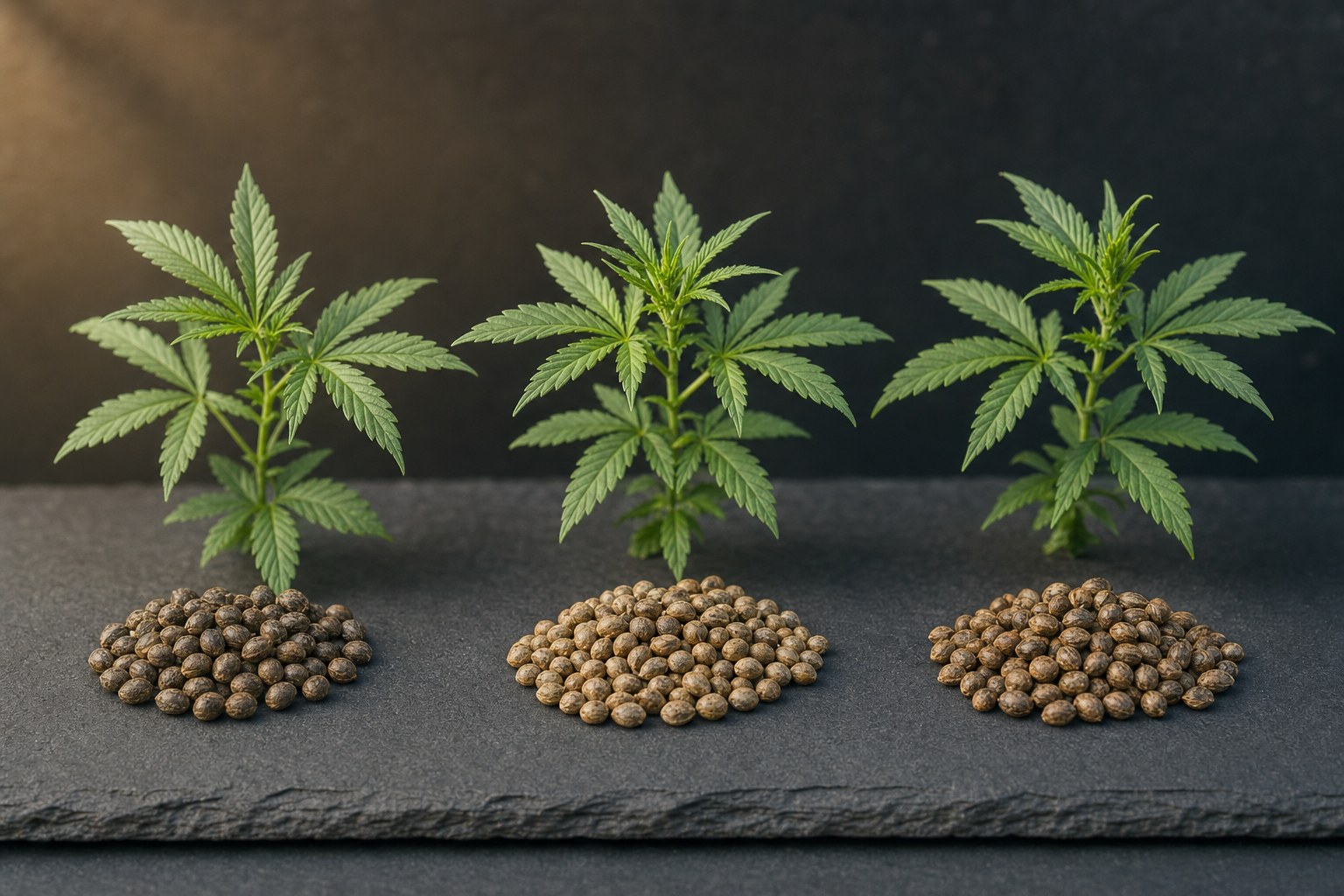
Feminised vs Autoflower vs Regular Seeds: Which Should Australians Choose?
Compare feminised, autoflower and regular cannabis seeds by plant sex, flowering behaviour, space and seasonal timing for Australian growing conditions.