

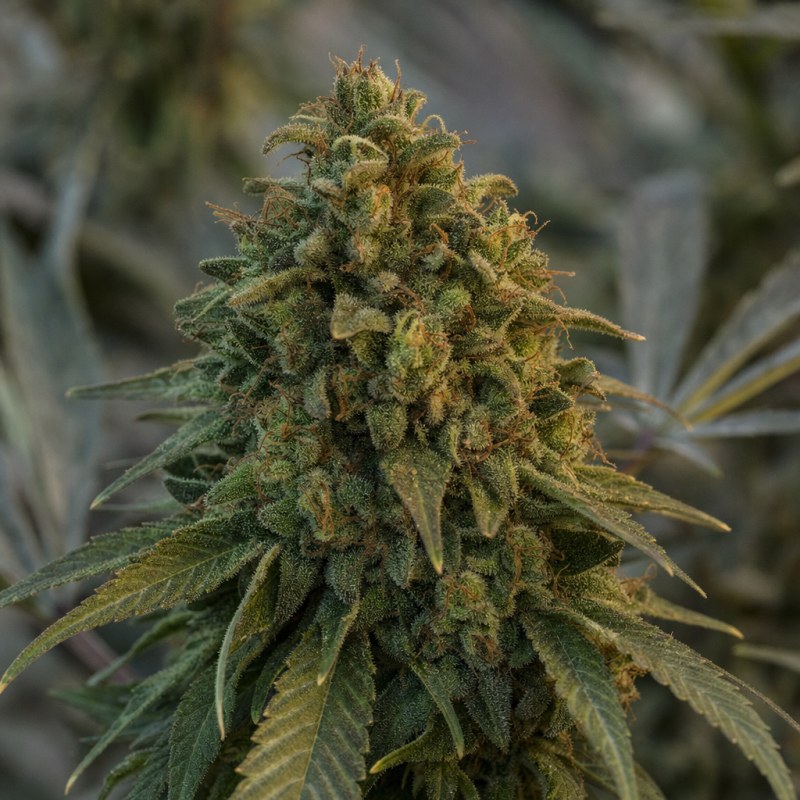
Cheese Seeds
Cheese feminised seeds offer an indica-leaning profile with pungent, earthy and spicy flavours, plus an 8–9 week flowering time.
Specifications
- Genetics
- Skunk #1 phenotype, often described as having Afghani-derived ancestry
- Climate
- Temperate · Hot dry · Cool short season
- Height indoor
- up to 80–120
- Height outdoor
- up to 120–180
- Yield indoor
- up to 450–650
- Yield outdoor
- up to 500–800
Effects
Flavours
Terpenes
Genetics & effects
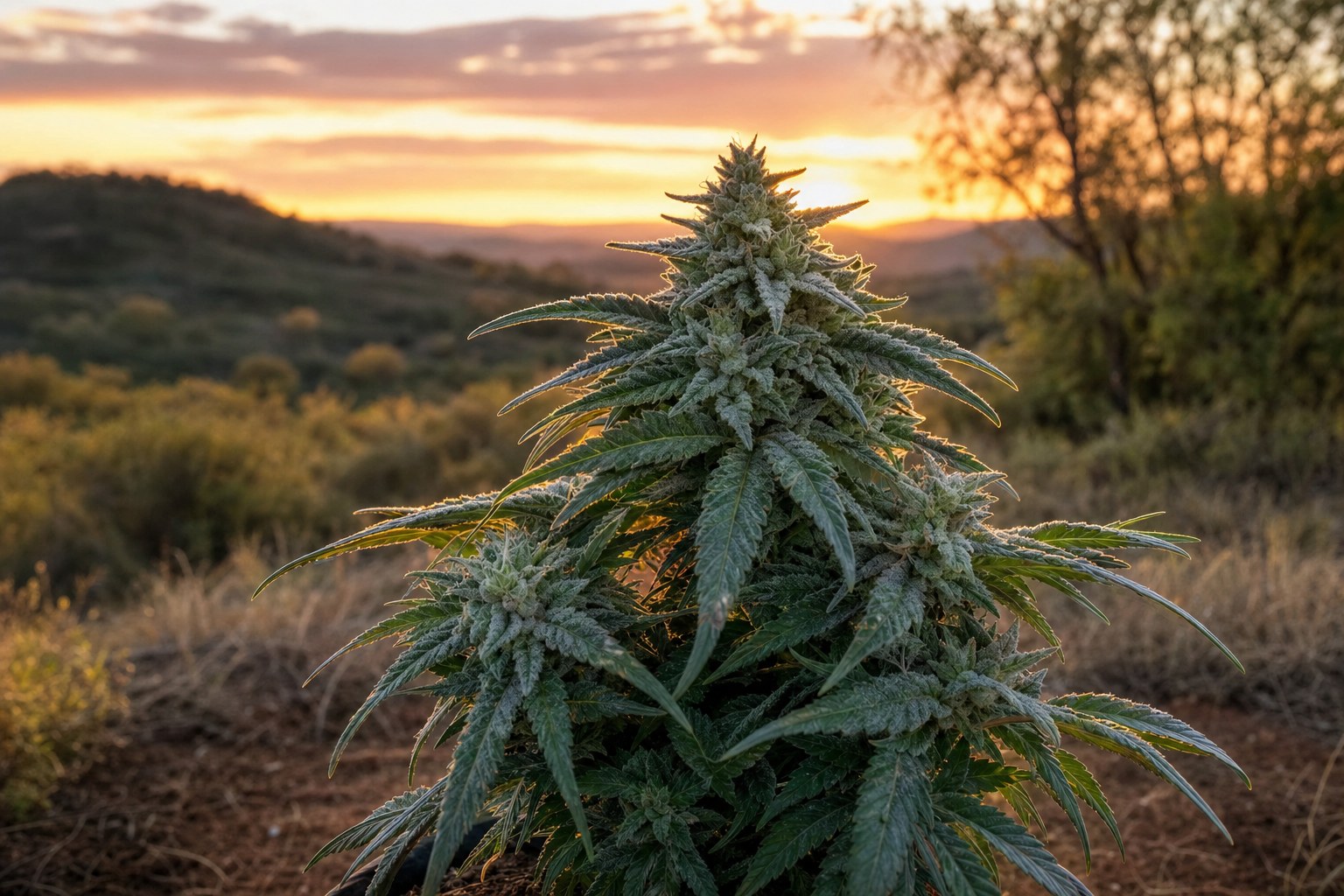
Cheese feminised seeds are presented in the Outback Seed Bank catalogue as a distinctive Skunk #1 phenotype, often described as having Afghani-derived ancestry. The profile is approximately 60% indica and 40% sativa, with listed THC potential of 14–20% and CBD of 0.1–0.5%. Actual cannabinoid levels, structure and aroma can vary with phenotype and growing conditions.
The aroma is famously pungent, combining mature cheese notes with earthy spice and a subtle sweetness. Myrcene, caryophyllene and limonene are among the associated terpenes. Some people describe the experience as initially uplifting, happy or euphoric, followed by a more relaxed sensation. Effects are subjective and may differ considerably between individuals.
Explore feminised seeds, high thc seeds, the Australian grow guide, and the planting calendar.
Explore feminised seeds, high thc seeds, the Australian grow guide, and the planting calendar.
Growing in the named country
In Australia, Cheese is considered a beginner-friendly option with a compact-to-medium growth habit and an 8–9 week flowering period. It can adapt to temperate regions, hot and dry areas, and cooler locations with shorter seasons. Strong odour control and steady airflow are worth planning early. Check the rules that apply in your state or territory before germinating or growing seeds.
For outdoor cultivation in the southern hemisphere, spring planting generally falls between September and November. Local frost dates, humidity, rainfall and daylight hours should guide the final timing. Explore more feminised seeds or browse the beginner-friendly seed collection.
Indoor
Indoors, plants commonly reach 80–120 cm. Their bushier structure responds well to gentle canopy management, while selective pruning can improve light penetration and air movement. Maintain stable environmental settings and avoid prolonged moisture around dense flowers to reduce mould risk.
Under suitable conditions, the listed indoor yield range is 450–650 g/m². These figures are reference points rather than assured outcomes, as lighting, substrate, nutrition, plant health and grower experience all influence performance. Carbon filtration may be useful where the strong cheese-like aroma needs to be managed.
Outdoor
Outdoors, Cheese may reach 120–180 cm and can develop a broad, productive frame in direct sun. Choose a location with good drainage and airflow, particularly in humid coastal districts. In hot, dry climates, consistent irrigation and surface mulch can help limit rapid moisture swings. In cooler regions, an early spring start in a protected setting may help plants make the most of the shorter season.
The listed outdoor yield is 500–800 g per plant under favourable conditions. Wind exposure, pests, root space, seasonal weather and phenotype will affect the final result.
Harvest
Australian outdoor harvest commonly falls between March and May, depending on latitude, spring planting time and seasonal conditions. Indoors, flowering usually takes 8–9 weeks after the light-cycle change. Use flower maturity, resin development and plant condition as practical indicators rather than relying on the calendar alone. Handle harvested flowers carefully and dry them gradually in a dark, ventilated space with controlled humidity to preserve their pungent aroma, colour and favourite flavour qualities.
Frequently asked questions
What THC and CBD ranges are listed for Cheese?
The reviewed specification lists 14–20% THC and 0.1–0.5% CBD. These figures describe the catalogue profile; phenotype, environment and testing can change measured levels.
How long does Cheese take to flower?
The listed flowering window is 8–9 weeks. Actual timing can vary with phenotype and growing conditions, so use the range as a planning reference rather than a guarantee.
Which Australia conditions suit Cheese?
The reviewed profile lists temperate, hot and dry and cool, short-season conditions and a beginner difficulty rating. Local daylight, weather, site exposure and care still influence how a plant develops.
What seed format and genetics does Cheese have?
Cheese is supplied as feminised seed and is a Skunk #1 phenotype, often described as having Afghani-derived ancestry, with a 60% indica and 40% sativa profile.
What aroma and terpene profile is associated with Cheese?
Cheese has cheese, pungent, earthy, spicy and sweet notes, with myrcene, caryophyllene and limonene among its listed terpenes.
What yield potential does Cheese have?
The reviewed yield potential is 450–650 g/m² indoors and 500–800 g per plant outdoors, but actual results vary and are not guaranteed.
Related genetics
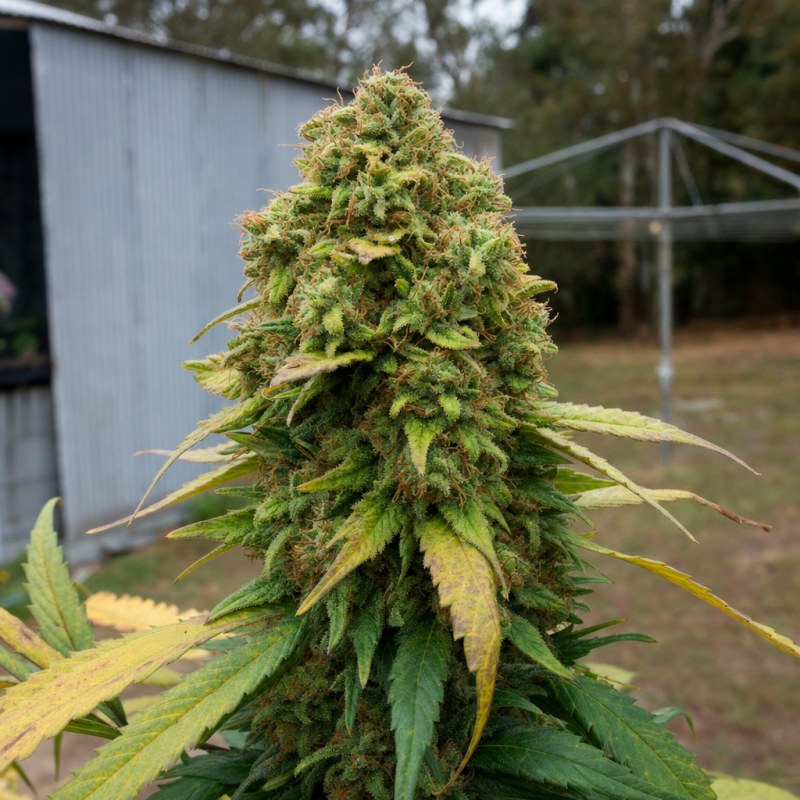
24K Gold
24K Gold feminised seeds are indica-leaning, with orange, citrus, sweet and earthy flavours and a 9–11 week flowering time.
From $79.00
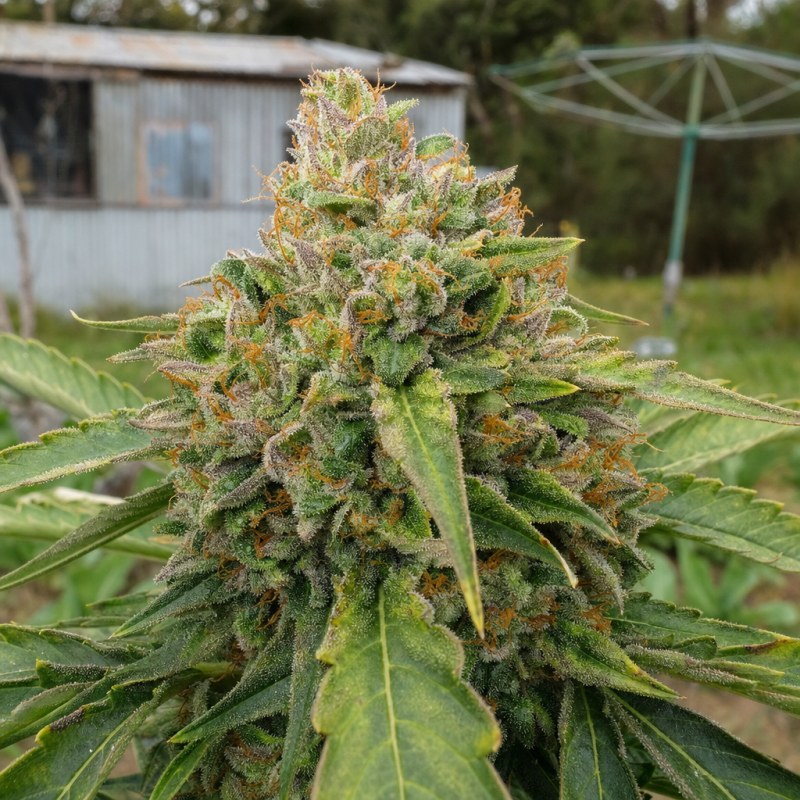
9 Pound Hammer
9 Pound Hammer feminised seeds offer an indica-dominant profile with sweet berry, grape and citrus flavours, suited to intermediate growers.
From $99.00
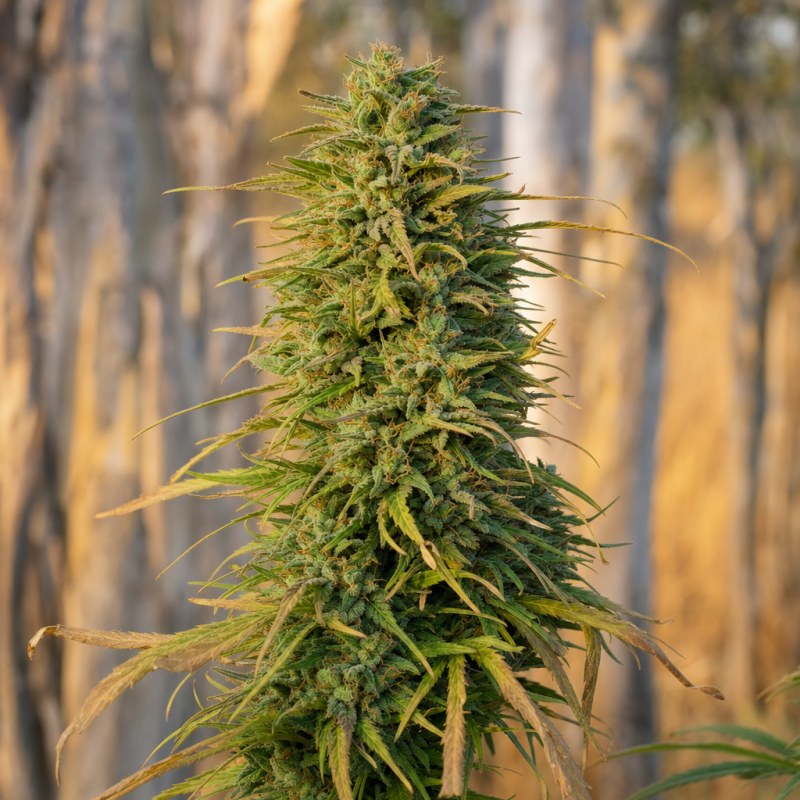
Acapulco Gold
Acapulco Gold feminised seeds offer a sativa-dominant profile with sweet citrus, lemon and fruity flavours for intermediate growers.
From $89.00
ACDC
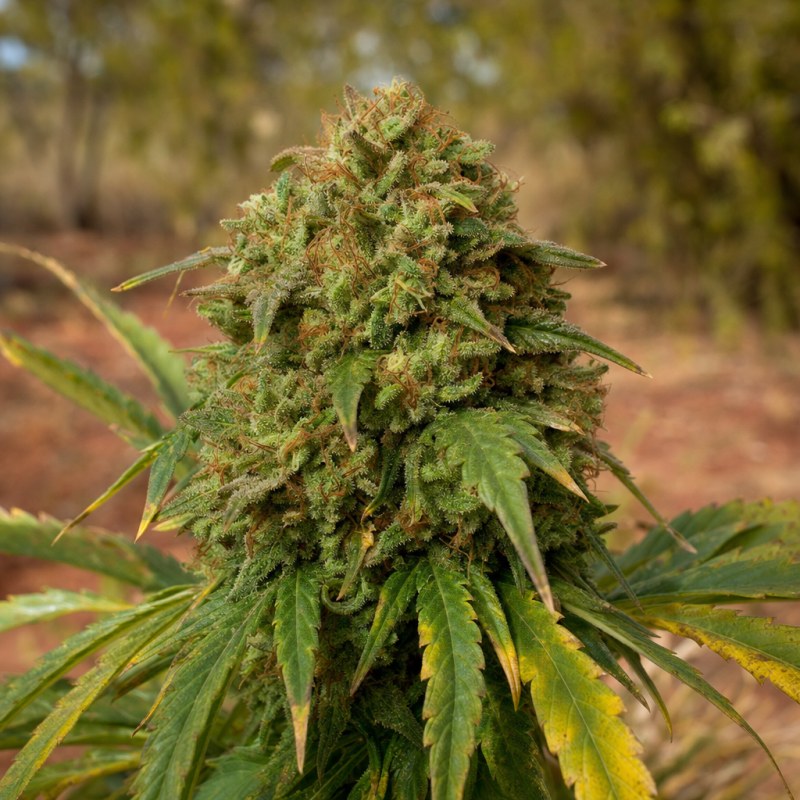
ACDC feminised seeds offer a balanced 50/50 photoperiod hybrid profile, with sweet pine, woody and lemon flavours.
From $99.00
Related grow guides
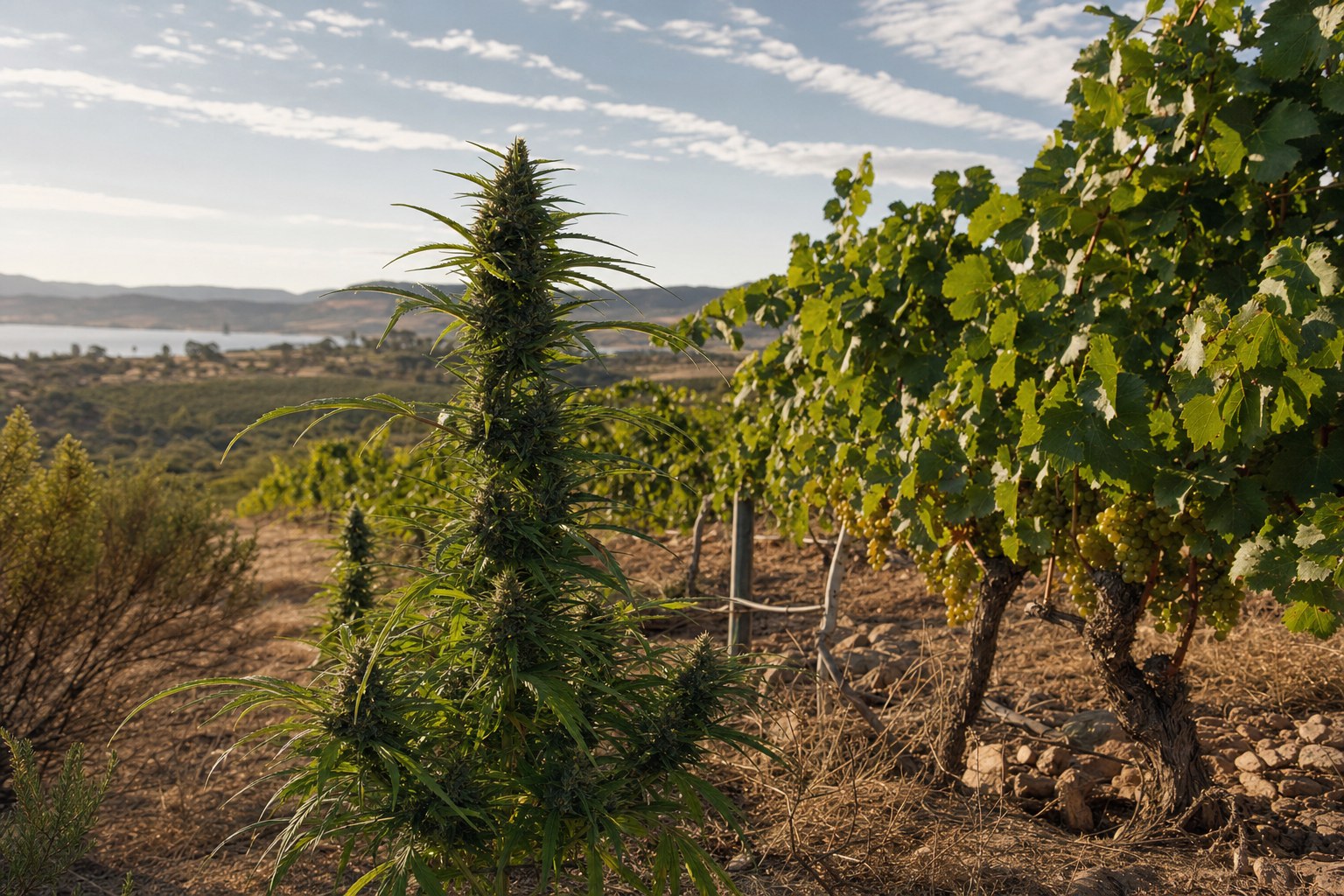
Growing Cannabis in South Australia: Mediterranean Conditions
A climate-focused overview of growing cannabis in Adelaide and regional South Australia, covering Mediterranean conditions, seasonal variability, spring planning and responsible legal research.
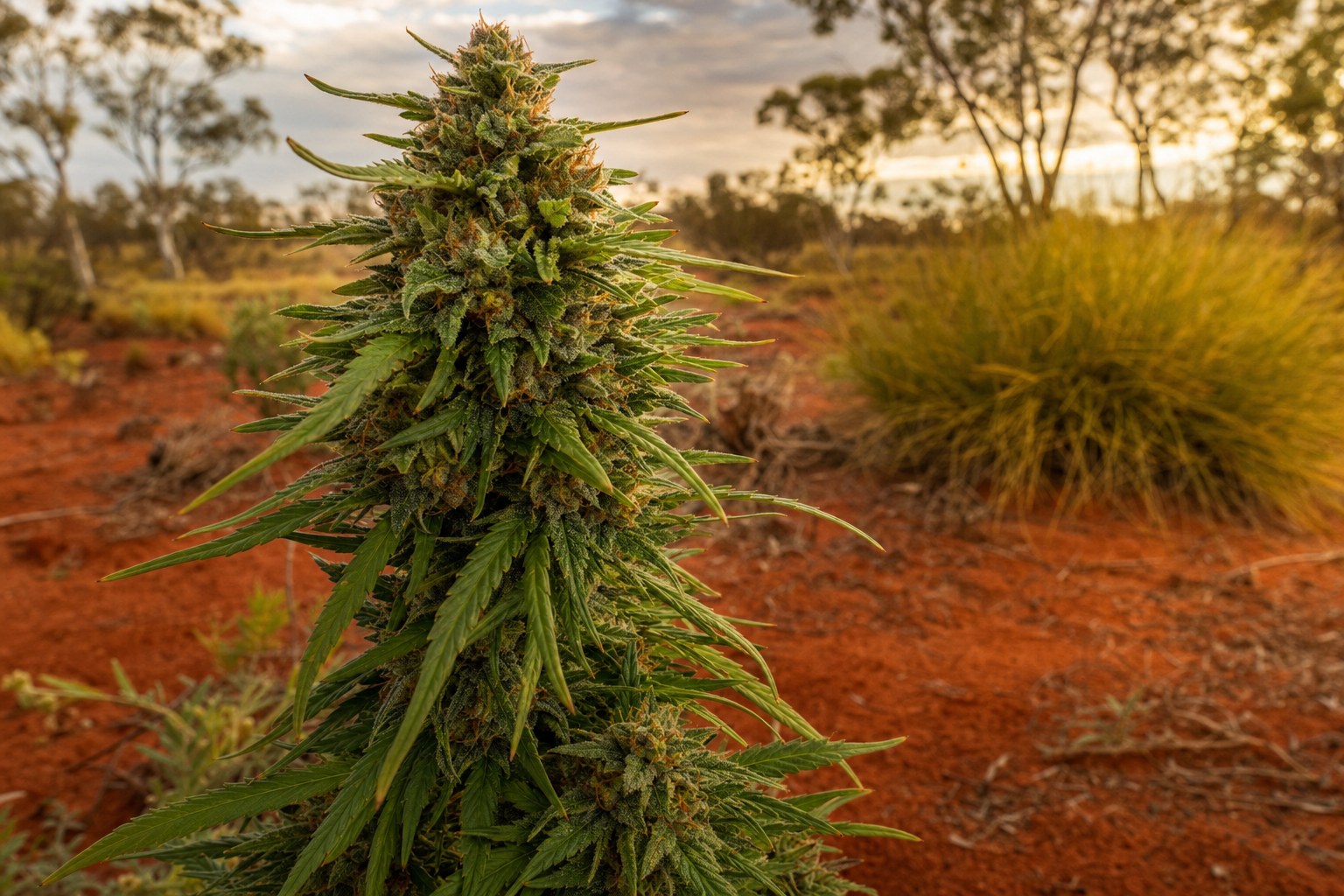
Outback OG: The Strain Selected for Australian Conditions
Meet Outback OG, an OG-style cannabis strain selected with Australian growers in mind.
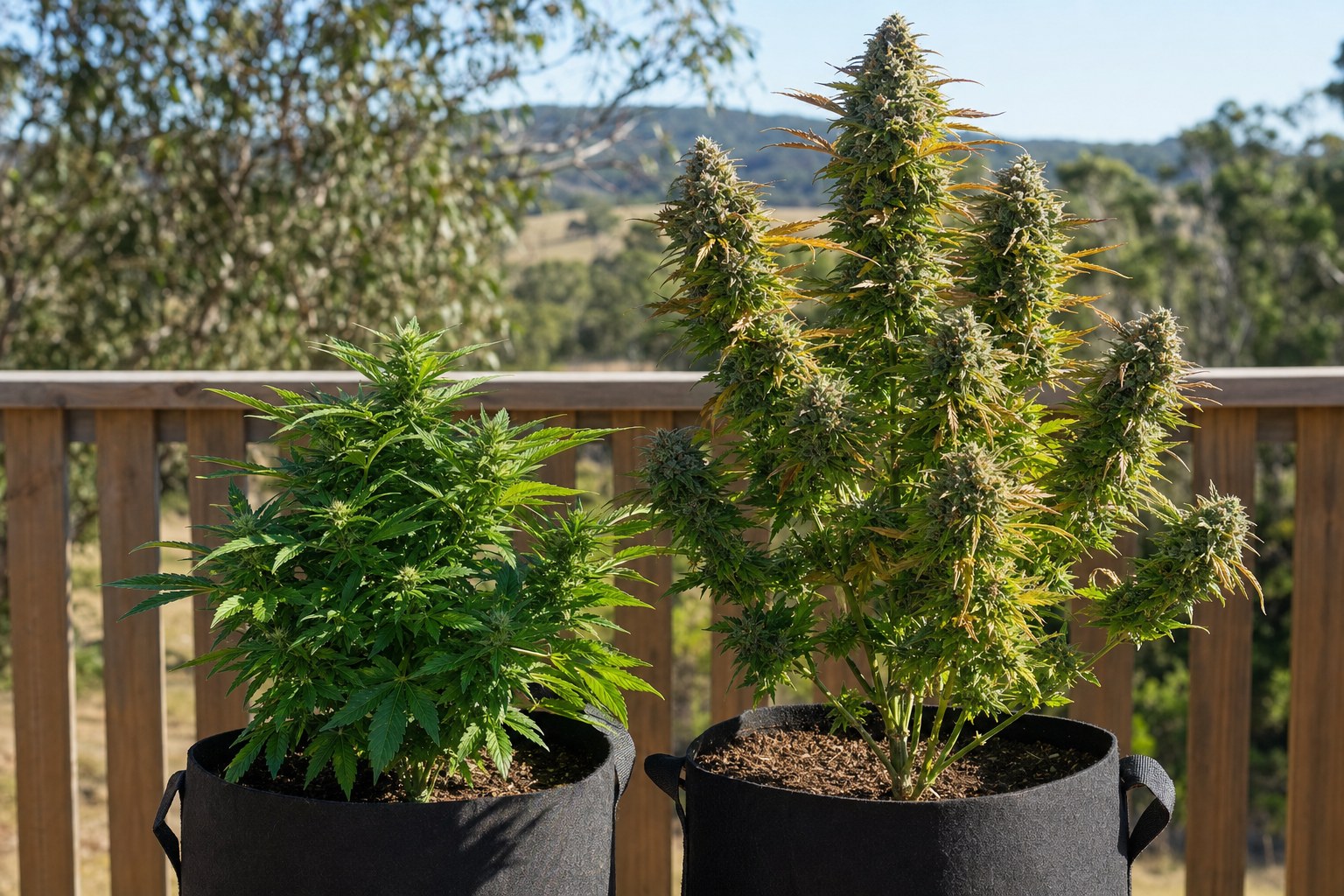
Autoflowers in Australia: Two Harvests in One Summer
A two-cycle autoflower summer may be possible in parts of Australia when short lifecycle cultivars, suitable weather and an early start align.
Growing Northern Lights in Australia: Strain Guide
Northern Lights is a compact, indica-dominant cannabis variety suited to controlled indoor spaces and warm, sheltered outdoor sites.