

Harlequin Seeds
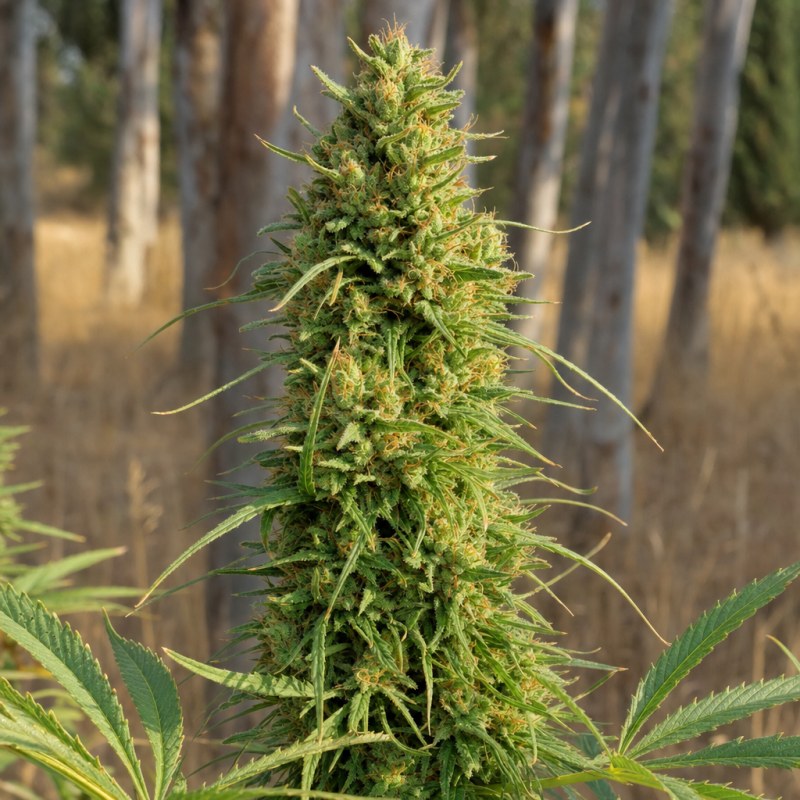
Harlequin feminised seeds offer a 75% sativa profile with earthy, herbal, pine, pepper and citrus flavours, flowering in 8–9 weeks.
Specifications
How to read these details
These details are catalogue information. A listed value is not an independent measurement or a guarantee.
A range gives a lower and an upper value. “Not provided” means the catalogue does not contain that information; it does not mean zero.
- Genetics
- Colombian Gold × Nepali indica × Thai sativa × Swiss sativa
- Climate
- Hot dry · Temperate
- Height indoor
- up to 150 cm
- Height outdoor
- up to 250 cm
- Yield indoor
- up to 600 g/m²
- Yield outdoor
- up to 800 g/plant
Effects
Flavours
Terpenes
Description
Genetics & effects
Harlequin feminised seeds present a distinctive 75% sativa and 25% indica profile, combining Colombian Gold, Nepali indica, Thai sativa and Swiss sativa genetics. Outback Seed Bank presents this cultivar for growers seeking vigorous, sativa-leaning plants with a comparatively balanced cannabinoid range.
Expected cannabinoid levels sit around 4–10% THC and 8–15% CBD, although individual plants and finished flowers can vary. The aromatic profile blends earthy, herbal and pine notes with pepper and a light citrus edge. Myrcene, alpha-pinene and beta-caryophyllene are prominent among its listed terpenes.
Experiences are subjective, but Harlequin is commonly described as clear-headed, calming and focused, with an uplifting opening that may settle into a relaxed feel. Environment, individual sensitivity and flower characteristics can all shape the experience.
Explore feminised seeds, fast flowering, the Australian grow guide, and the planting calendar.
Explore feminised seeds, fast flowering, the Australian grow guide, and the planting calendar.
Growing in Australia
Harlequin is rated as an intermediate grow and is suited to temperate or hot, dry conditions. Its sativa influence can produce energetic vertical and lateral growth, while the indica component may help maintain a somewhat more manageable structure. Feminised seeds are intended to produce female plants, though growers should still observe plants carefully throughout development.
In Australia, outdoor planting generally aligns with spring, from September to November. Timing within that period should reflect local temperatures, daylight and weather patterns. Allow generous spacing, steady airflow and access to strong light. In humid areas, pruning crowded growth and sheltering plants from prolonged rain can reduce mould risk.
Indoor
Indoors, Harlequin can reach up to 150 cm. Early canopy management can help control stretch and improve light distribution across flowering sites. A consistent light cycle, suitable ventilation and enough space above the canopy are useful for its sativa-dominant form.
- Flowering time: approximately 8–9 weeks
- Indoor height: up to 150 cm
- Indoor yield: up to 600 g/m²
- Skill level: intermediate
Keep humidity appropriate for each growth stage and avoid overcrowding. Branch support may be useful as flowers gain weight, particularly under strong lighting.
Outdoor
Outdoors, plants may reach up to 250 cm where roots have room and conditions remain favourable. A sunny position, free-draining soil and protection from severe wind can support healthy development. Hot, dry and temperate regions are the strongest match, while growers in wetter locations should prioritise airflow and regular inspection.
- Outdoor height: up to 250 cm
- Outdoor yield: up to 800 g per plant
- Preferred conditions: hot, dry or temperate
Harvest
Australian outdoor harvest usually falls between March and May, depending on latitude, planting time, seasonal conditions and plant maturity. Rather than relying only on the calendar, monitor flower development and plant condition. Indoor plants generally finish after an 8–9 week flowering period.
Yield figures are potential outcomes rather than promises. Plant expression, colour, aroma, cannabinoid content and productivity can differ according to phenotype, environment and grower experience.
Frequently asked questions
What THC and CBD ranges are listed for Harlequin?
The reviewed specification lists 4–10% THC and 8–15% CBD. These figures describe the catalogue profile; phenotype, environment and testing can change measured levels.
How long does Harlequin take to flower?
The listed flowering window is 8–9 weeks. Actual timing can vary with phenotype and growing conditions, so use the range as a planning reference rather than a guarantee.
Which Australia conditions suit Harlequin?
The reviewed profile lists hot and dry and temperate conditions and a intermediate difficulty rating. Local daylight, weather, site exposure and care still influence how a plant develops.
What seed format and genetics does Harlequin have?
Harlequin is supplied as feminised seed and has Colombian Gold × Nepali indica × Thai sativa × Swiss sativa genetics, with a 75% sativa and 25% indica profile.
What aroma and terpene profile is associated with Harlequin?
Harlequin features earthy, herbal, pine, pepper and citrus notes, with myrcene, alpha-pinene and beta-caryophyllene listed as its terpenes.
What yield potential does Harlequin have?
Harlequin has a stated yield potential of up to 600 g/m² indoors and up to 800 g per plant outdoors, but actual yields vary and are not guaranteed.
Related genetics
24K Gold
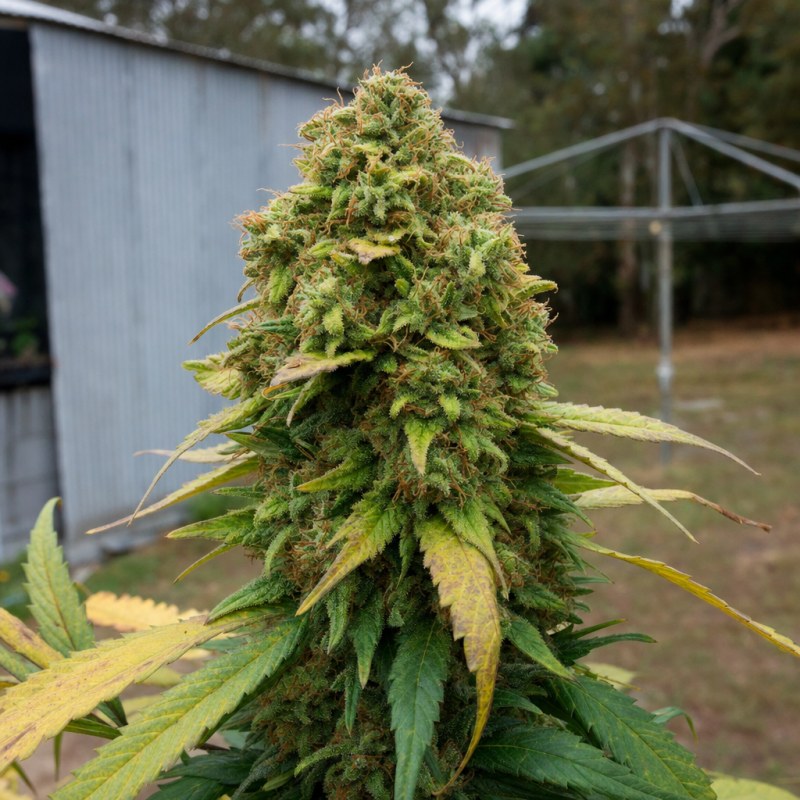
24K Gold feminised seeds are indica-leaning, with orange, citrus, sweet and earthy flavours and a 9–11 week flowering time.
From $79.00
9 Pound Hammer
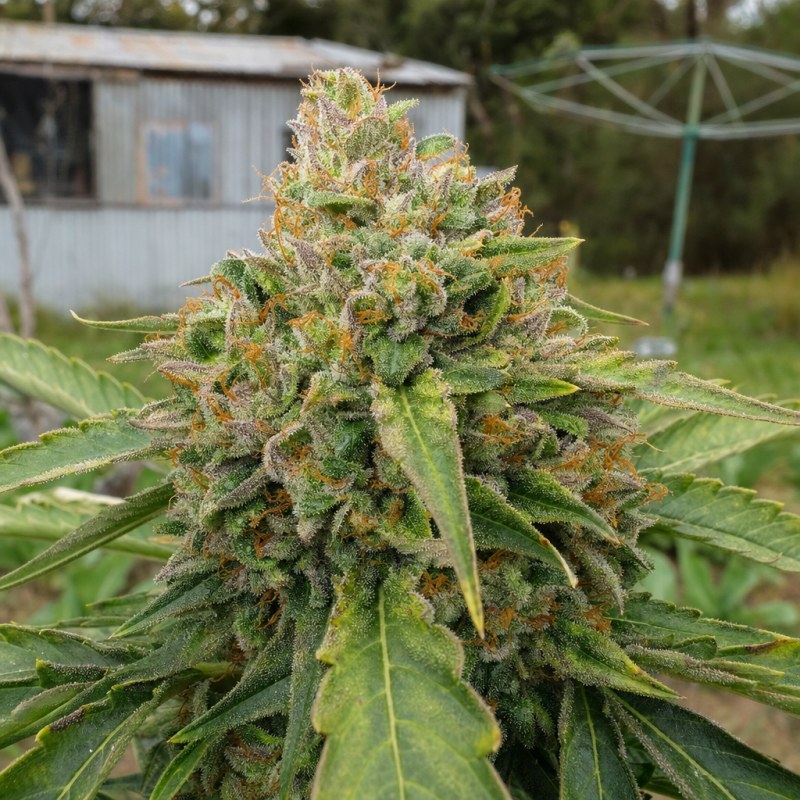
9 Pound Hammer feminised seeds offer an indica-dominant profile with sweet berry, grape and citrus flavours, suited to intermediate growers.
From $99.00
Acapulco Gold
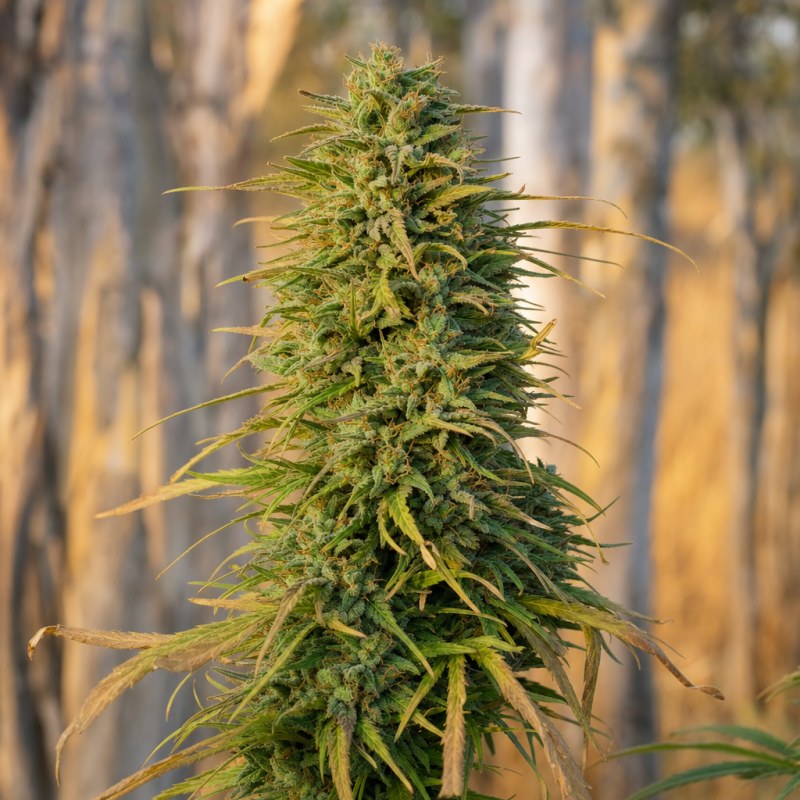
Acapulco Gold feminised seeds offer a sativa-dominant profile with sweet citrus, lemon and fruity flavours for intermediate growers.
From $89.00
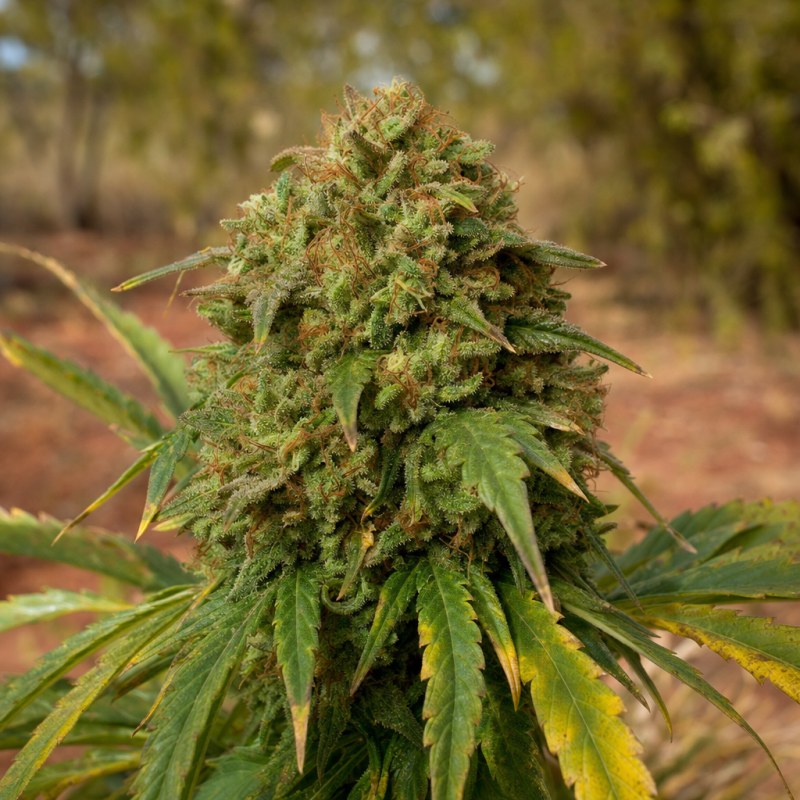
ACDC
ACDC feminised seeds offer a balanced 50/50 photoperiod hybrid profile, with sweet pine, woody and lemon flavours.
From $99.00
Related grow guides
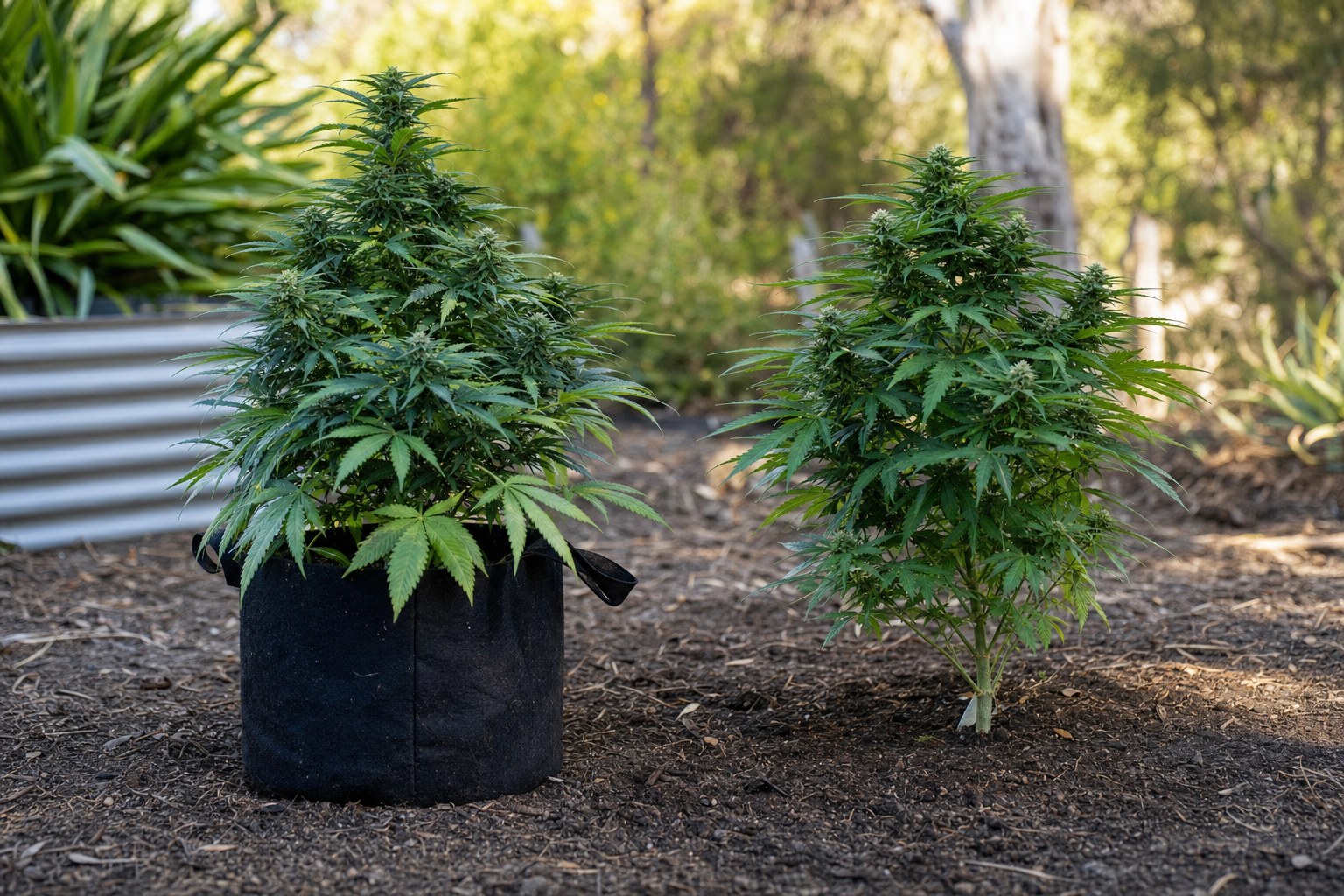
Growing Cannabis in Pots vs In the Ground in Australia
Compare pots and open ground for cannabis cultivation, including root space, drainage, weather exposure and regional spring conditions across Australia.
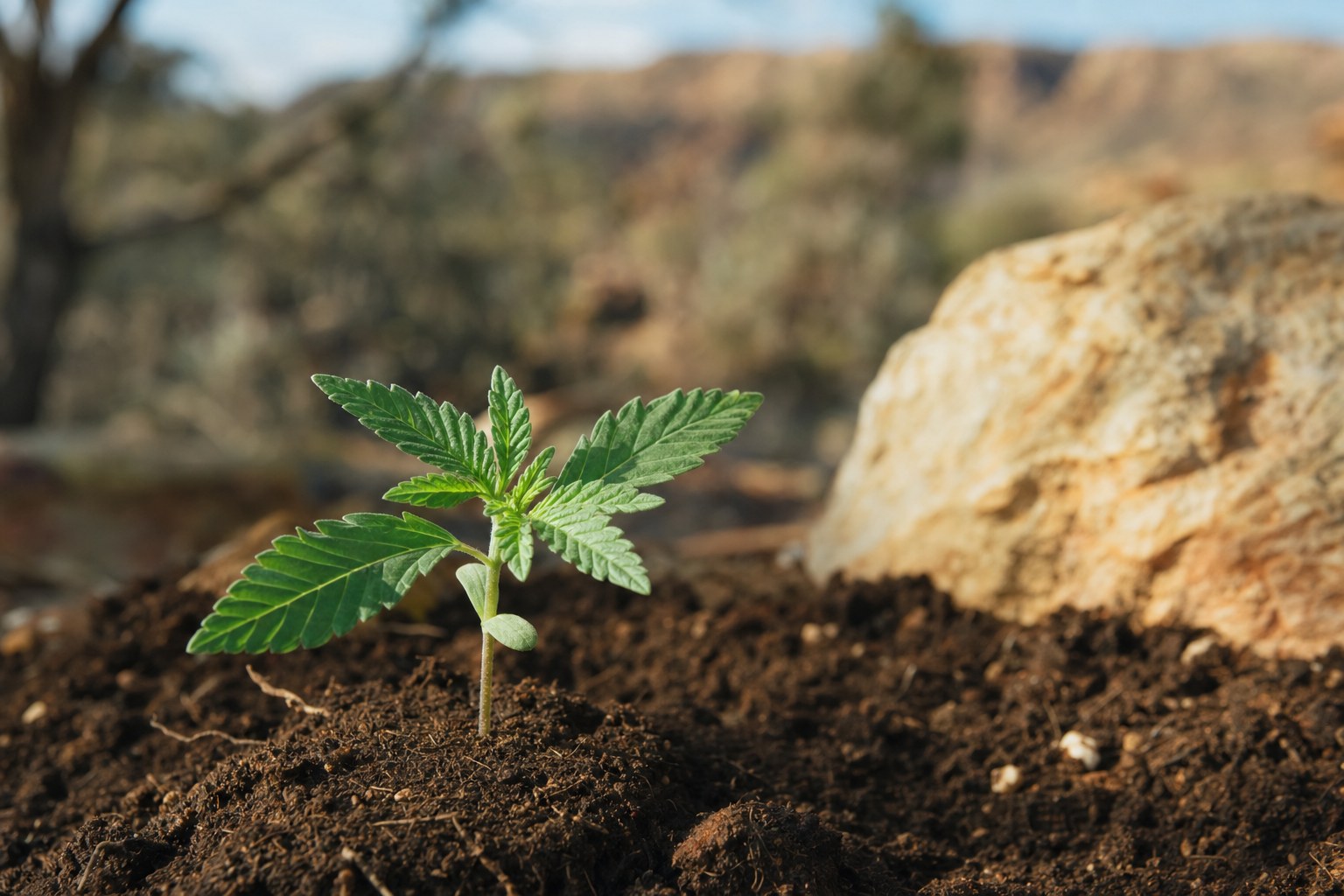
Cannabis Seedling Care: The First Two Weeks
Learn how to manage light, moisture, airflow and temperature during the first two weeks of cannabis seedling growth in Australian spring conditions.
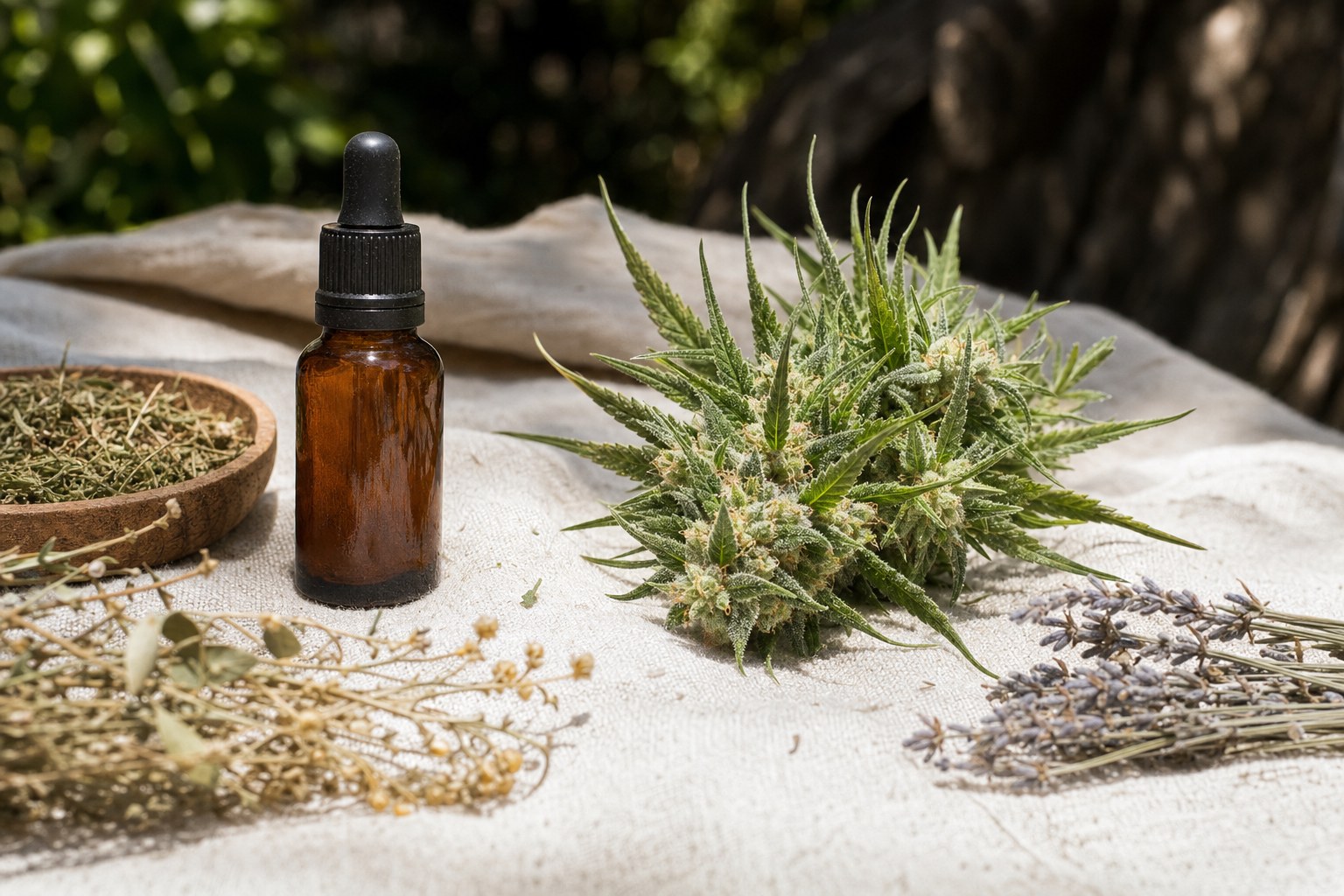
Best CBD Strains to Grow in Australia
Compare CBD seeds in Australia by cannabinoid profile, seed format, flowering time, plant structure and climate fit. This guide covers eight CBD-focused options and a practical southern-hemisphere grow calendar.
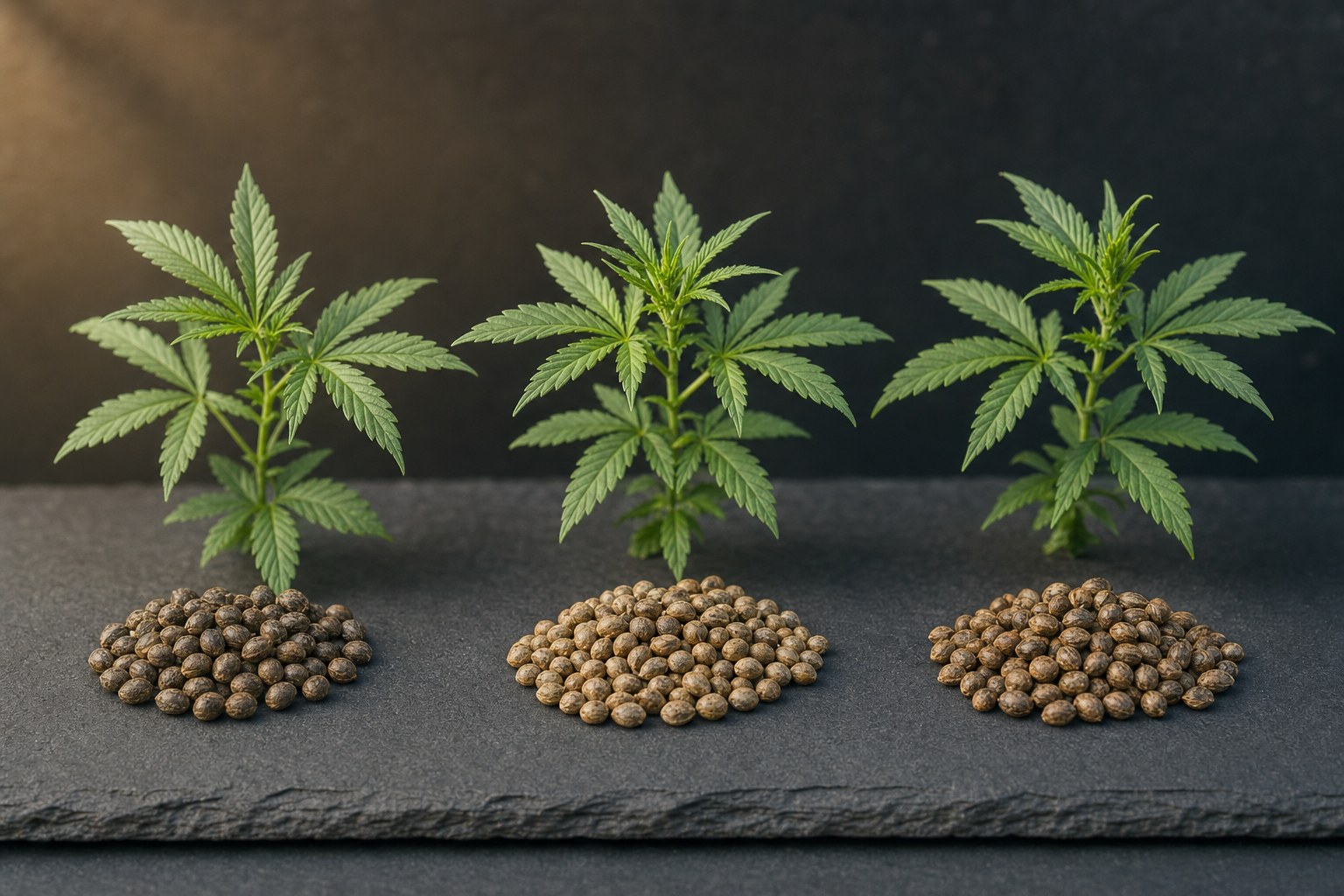
Feminised vs Autoflower vs Regular Seeds: Which Should Australians Choose?
Compare feminised, autoflower and regular cannabis seeds by plant sex, flowering behaviour, space and seasonal timing for Australian growing conditions.