

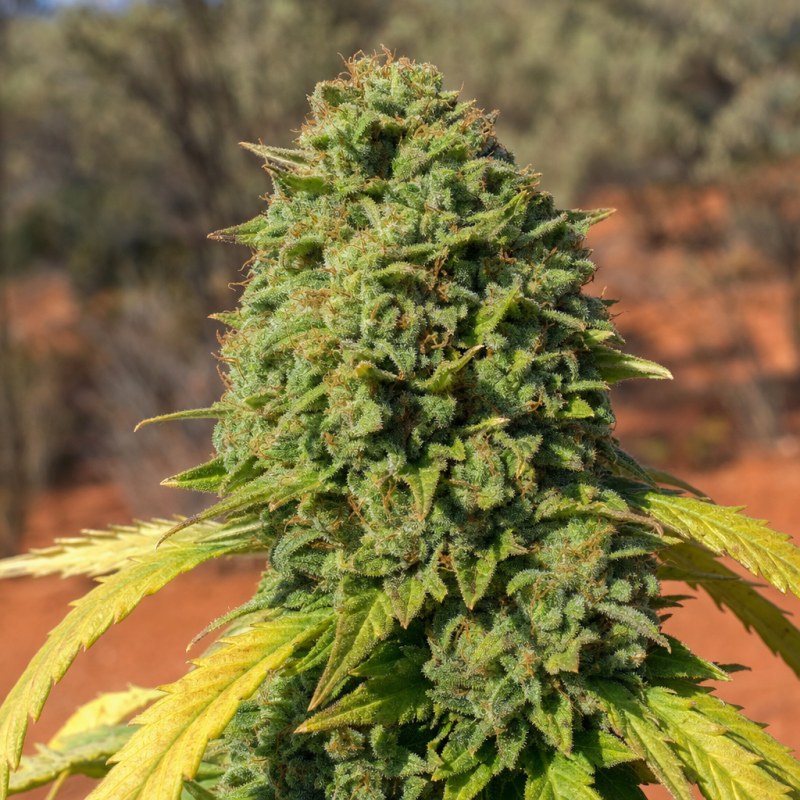
Khalifa Kush Seeds
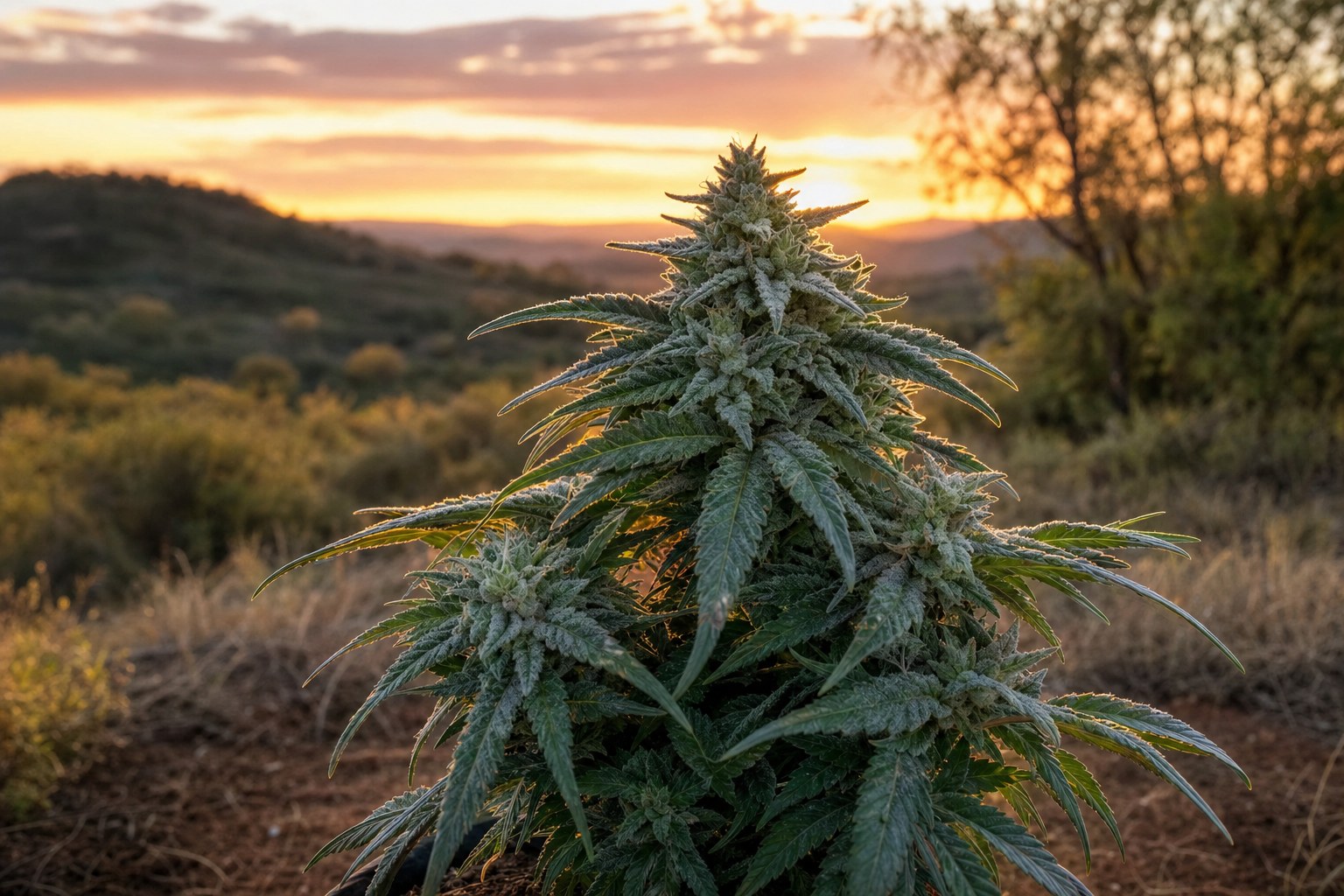
Khalifa Kush feminised seeds offer an indica-dominant profile with pine, lemon, citrus, earthy and sour flavours.
Specifications
- Genetics
- OG Kush-derived lineage; exact parentage is not publicly established
- Climate
- Hot dry · Temperate
- Height indoor
- up to 100
- Height outdoor
- up to 140
- Yield indoor
- up to 550
- Yield outdoor
- up to 800
Effects
Flavours
Terpenes
Khalifa Kush feminised seeds are presented in the Outback Seed Bank catalogue as an 80% indica and 20% sativa selection with an OG Kush-derived lineage. Exact parentage is not publicly established, so growers should view the listed profile as a practical guide rather than a definitive family tree. With THC listed at 24–30% and CBD at up to 0.1%, this is a high-potency cultivar intended for experienced adult collectors and growers.
Genetics & effects
Khalifa Kush combines a predominantly indica structure with aromatic notes associated with limonene, beta-caryophyllene and myrcene. Its flavour profile may bring together pine, lemon, citrus, earthy and sour impressions, though expression can vary between plants and growing conditions.
Individual experiences are subjective. Some people describe the effects as beginning with a euphoric, happy or creative feeling before developing into a more relaxed mood. Others may perceive a playful or giggly quality. Potency and overall character can feel different from person to person.
Explore feminised seeds, high thc seeds, the Australian grow guide, and the planting calendar.
Explore feminised seeds, high thc seeds, the Australian grow guide, and the planting calendar.
Growing in Australia
This feminised cultivar is listed as an intermediate-level option. It is generally best matched with hot, dry or temperate conditions, with steady airflow and close moisture management. Feminised seeds are selected to produce female plants, although plant expression and final performance always depend on environment, care and individual seed variation.
For southern-hemisphere timing, outdoor planting commonly begins during spring, from September to November. Local temperatures, day length and rainfall should guide the exact start date. In humid districts, provide generous spacing and airflow to reduce mould risk around dense flowers.
Indoor
Indoors, Khalifa Kush may reach up to 100 cm and has a listed flowering period of approximately nine to ten weeks. Its relatively compact form can suit tents and controlled rooms where height is limited. An even canopy, selective branch support and consistent ventilation can help light reach developing flower sites.
- Flowering: approximately 9–10 weeks
- Indoor height: up to 100 cm
- Indoor yield: up to 550 g/m²
- Difficulty: intermediate
Keep humidity stable as flowers gain weight, and avoid sudden changes in temperature or irrigation. Yield figures are catalogue estimates, not assured outcomes.
Outdoor
Outdoors, plants may grow up to 140 cm where sun, root space and seasonal conditions are favourable. A warm position with good drainage is preferable. In temperate areas, choose the sunniest practical site and watch for extended wet periods late in the season.
- Outdoor height: up to 140 cm
- Outdoor yield: up to 800 g per plant
- Preferred climates: hot, dry and temperate
Light branch support may be useful as flowers become heavier. Regular inspection also makes it easier to identify moisture pockets, pests or weather-related stress early.
Harvest
Australian outdoor harvest generally falls between March and May, depending on planting time, latitude and seasonal weather. Assess flower maturity plant by plant rather than relying on the calendar alone. After harvest, use a clean, dark and well-ventilated drying space to preserve aroma, colour and overall quality. Final size, potency, flavour and yield can vary.
Frequently asked questions
What THC and CBD ranges are listed for Khalifa Kush?
The reviewed specification lists 24–30% THC and 0–0.1% CBD. These figures describe the catalogue profile; phenotype, environment and testing can change measured levels.
How long does Khalifa Kush take to flower?
The listed flowering window is 9–10 weeks. Actual timing can vary with phenotype and growing conditions, so use the range as a planning reference rather than a guarantee.
Which Australia conditions suit Khalifa Kush?
The reviewed profile lists hot and dry and temperate conditions and a intermediate difficulty rating. Local daylight, weather, site exposure and care still influence how a plant develops.
What seed format and genetics does Khalifa Kush have?
Khalifa Kush is supplied as feminised seed and has an 80% indica and 20% sativa profile from an OG Kush-derived lineage, although its exact parentage is not publicly established.
What aroma and terpene profile is associated with Khalifa Kush?
Khalifa Kush is associated with pine, lemon, citrus, earthy and sour notes, with limonene, beta-caryophyllene and myrcene listed as its terpenes.
What yield potential does Khalifa Kush have?
Khalifa Kush has reviewed yield potential of up to 550 g/m² indoors and up to 800 g per plant outdoors, but these figures are not guaranteed.
Related genetics
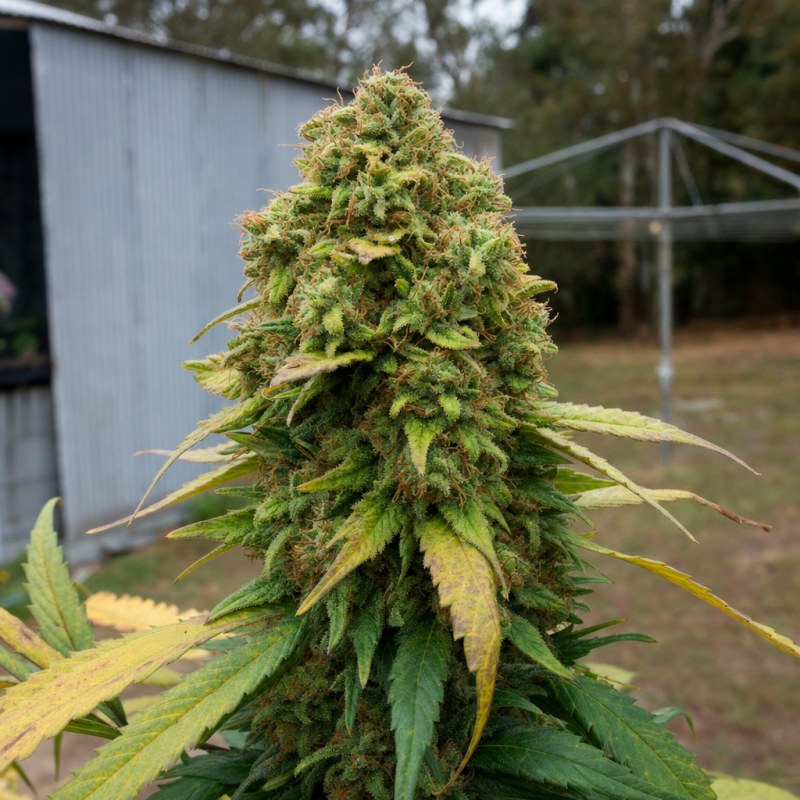
24K Gold
24K Gold feminised seeds are indica-leaning, with orange, citrus, sweet and earthy flavours and a 9–11 week flowering time.
From $79.00
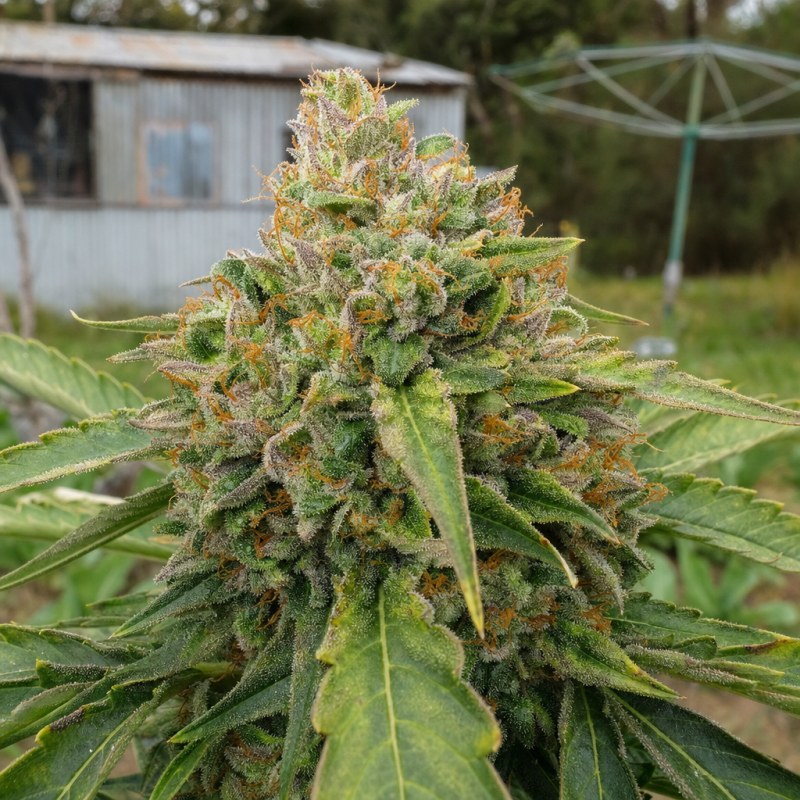
9 Pound Hammer
9 Pound Hammer feminised seeds offer an indica-dominant profile with sweet berry, grape and citrus flavours, suited to intermediate growers.
From $99.00
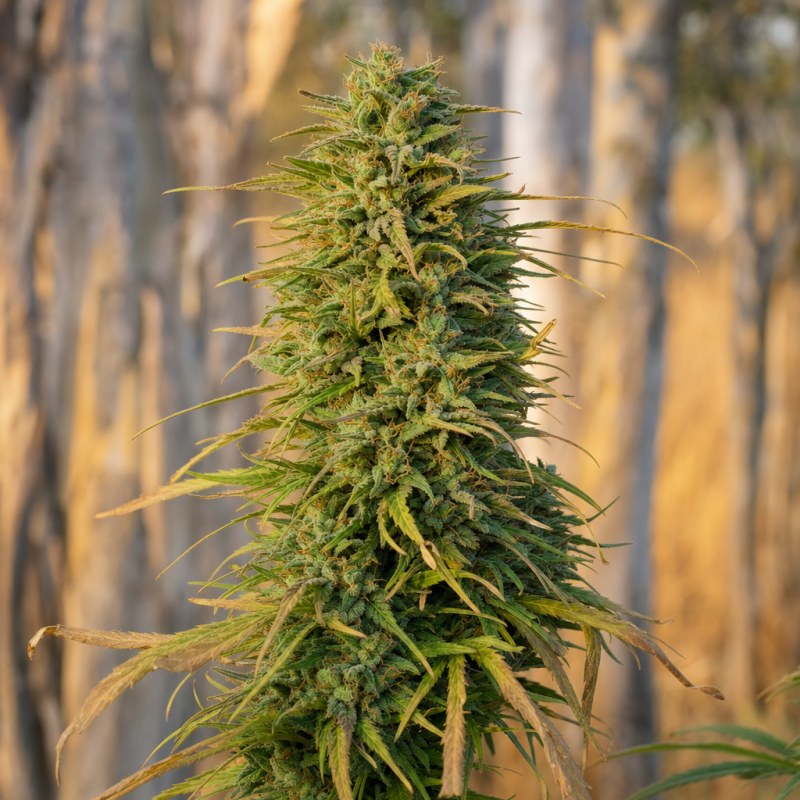
Acapulco Gold
Acapulco Gold feminised seeds offer a sativa-dominant profile with sweet citrus, lemon and fruity flavours for intermediate growers.
From $89.00
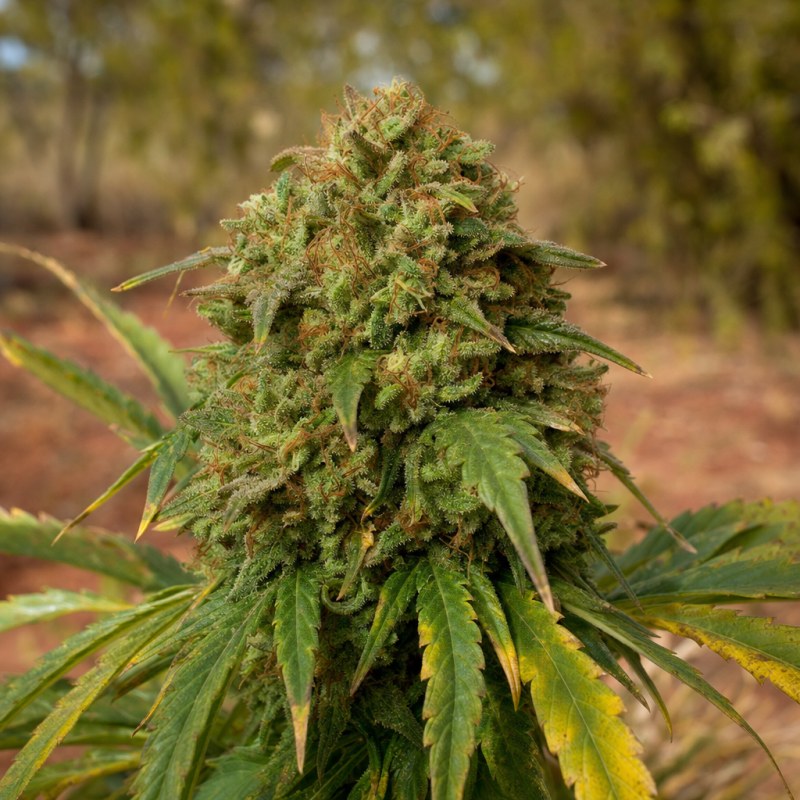
ACDC
ACDC feminised seeds offer a balanced 50/50 photoperiod hybrid profile, with sweet pine, woody and lemon flavours.
From $99.00
Related grow guides
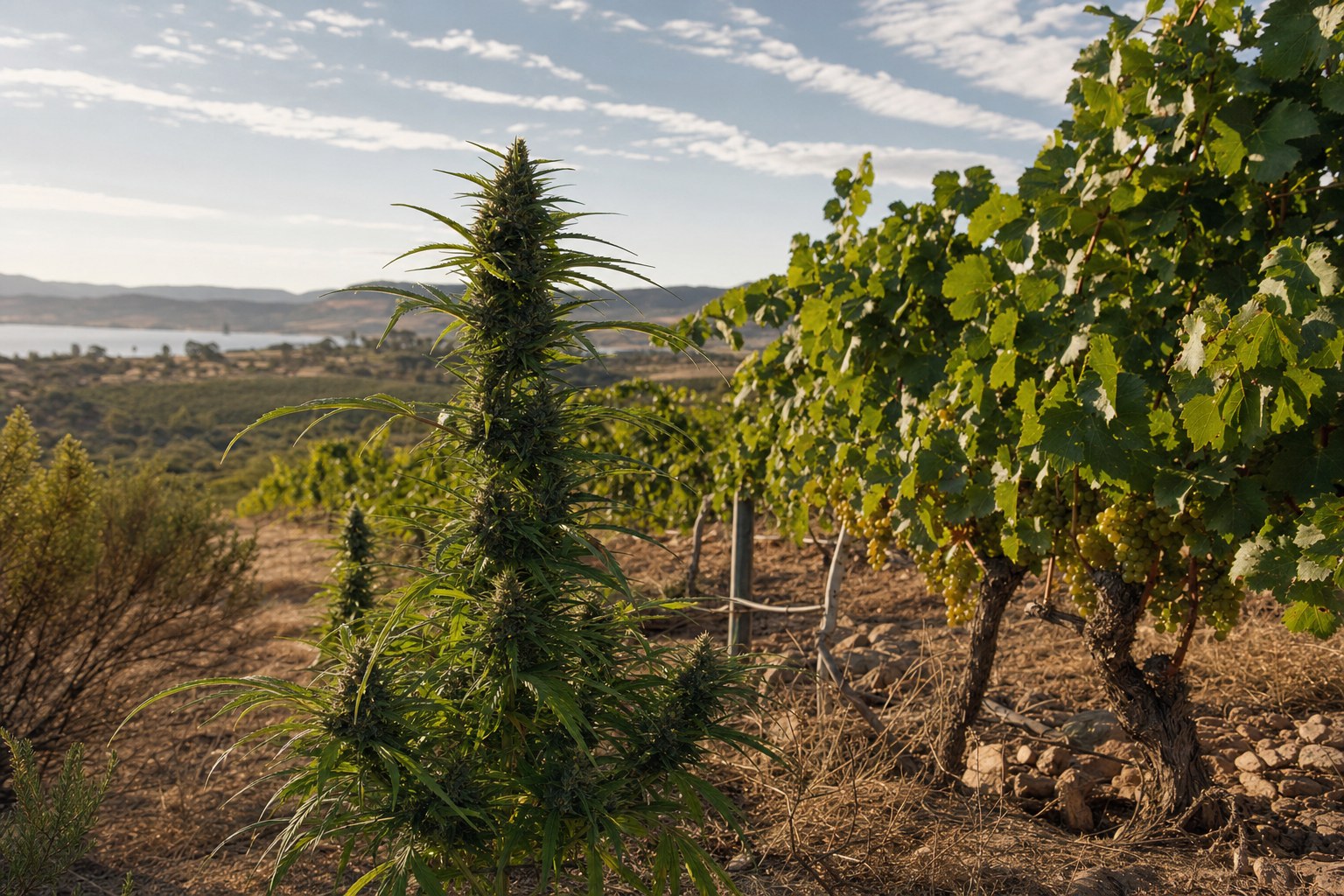
Growing Cannabis in South Australia: Mediterranean Conditions
A climate-focused overview of growing cannabis in Adelaide and regional South Australia, covering Mediterranean conditions, seasonal variability, spring planning and responsible legal research.
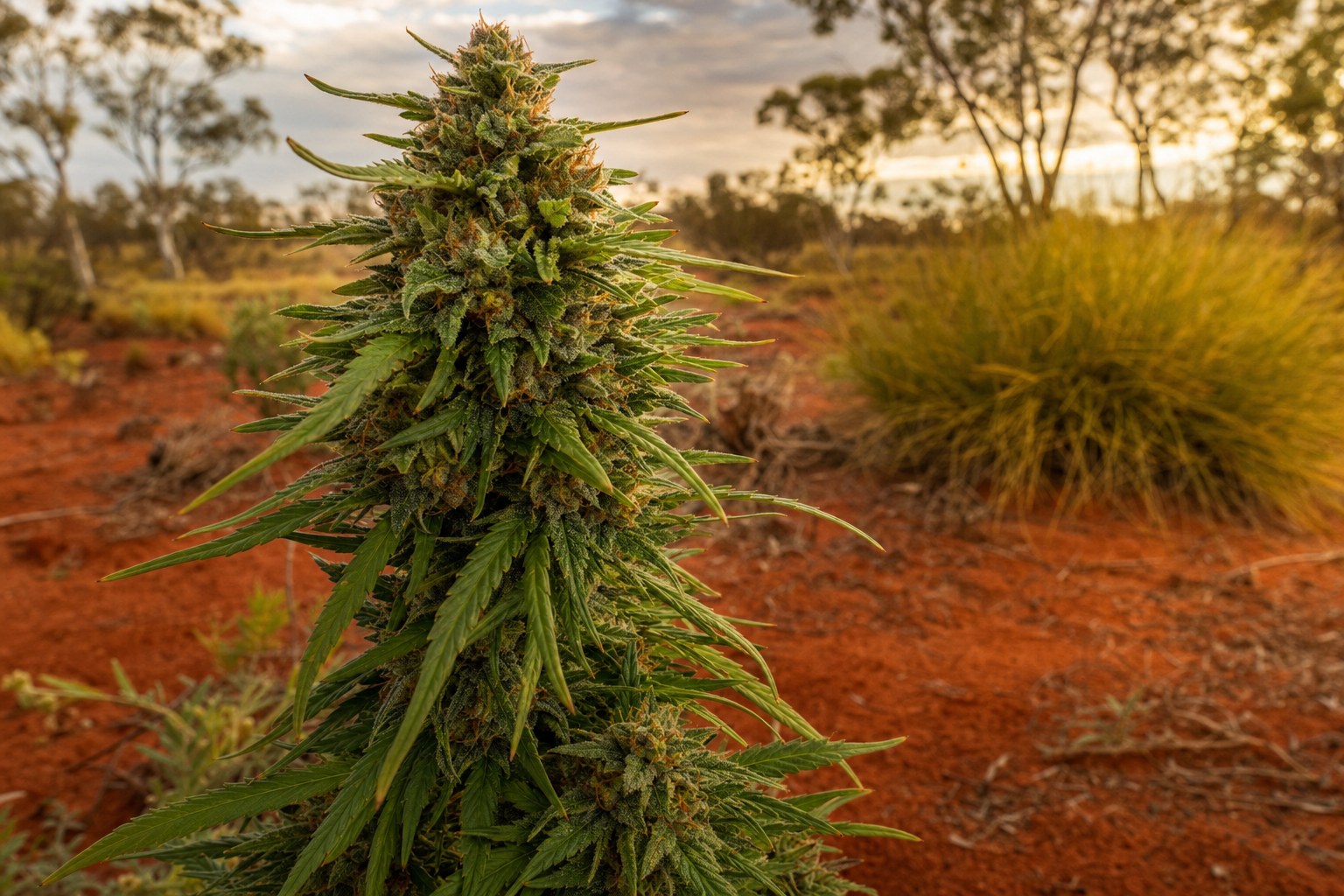
Outback OG: The Strain Selected for Australian Conditions
Meet Outback OG, an OG-style cannabis strain selected with Australian growers in mind.
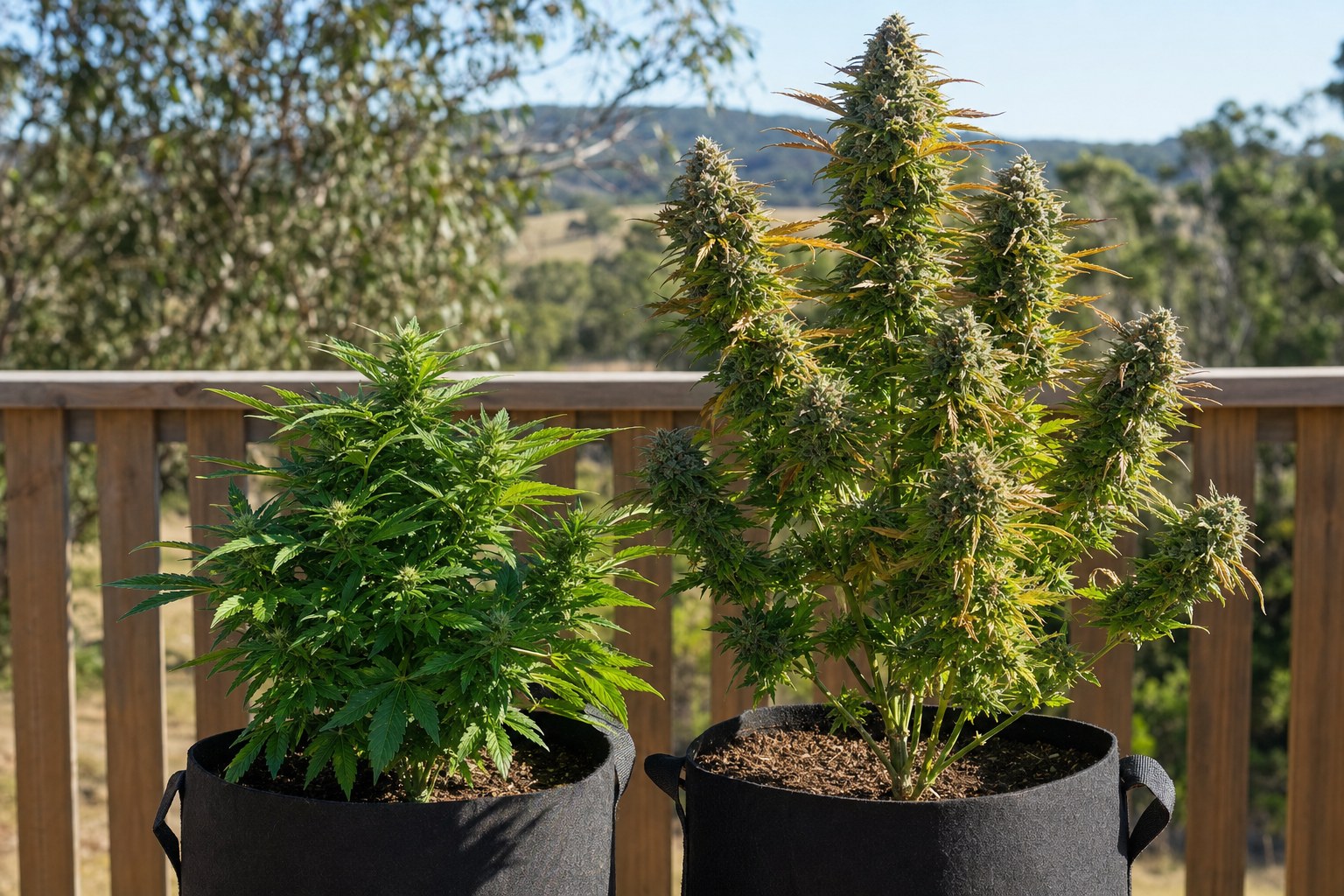
Autoflowers in Australia: Two Harvests in One Summer
A two-cycle autoflower summer may be possible in parts of Australia when short lifecycle cultivars, suitable weather and an early start align.
Growing Northern Lights in Australia: Strain Guide
Northern Lights is a compact, indica-dominant cannabis variety suited to controlled indoor spaces and warm, sheltered outdoor sites.