

Kiwi Kush Seeds
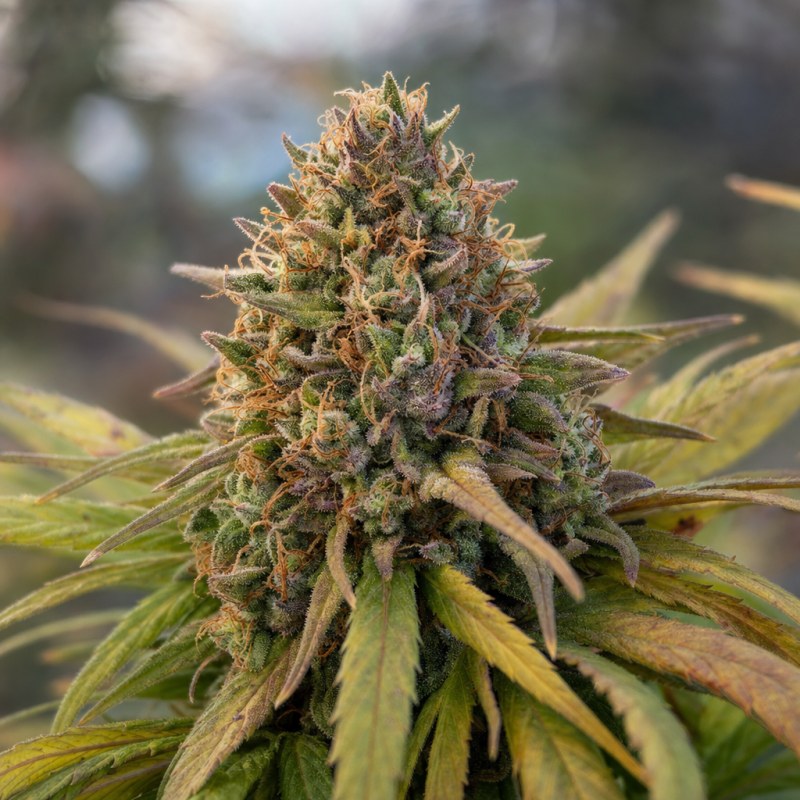
Kiwi Kush feminised seeds offer a balanced 50/50 photoperiod hybrid profile, with sweet berry, tropical and fruity flavours.
Specifications
How to read these details
These details are catalogue information. A listed value is not an independent measurement or a guarantee.
A range gives a lower and an upper value. “Not provided” means the catalogue does not contain that information; it does not mean zero.
- Genetics
- Critical Mass × OG Kush × Blue Kiwi; photoperiod hybrid
- Climate
- Hot dry · Temperate · Cool short season
- Height indoor
- up to 150
- Height outdoor
- up to 200
- Yield indoor
- up to 450
- Yield outdoor
- up to 500
Effects
Flavours
Description
Genetics & effects
Kiwi Kush is a feminised photoperiod hybrid created from Critical Mass × OG Kush × Blue Kiwi genetics. Its balanced 50% sativa and 50% indica profile brings together vigorous growth, substantial branching and dense flower formation. Listed THC levels range from 15–19%, while CBD may range from 0–2%.
The flavour profile leans sweet and fruit-forward, with berry, tropical fruit and fresh tree-fruit notes. Some people describe the experience as upbeat, creative or energetic, followed by a pleasantly euphoric mood. Effects are subjective and may differ according to the individual, setting and final flower.
Kiwi Kush is suited to growers with some prior experience. Its moderate height and productive structure make it a versatile choice among feminised seeds, though regular canopy work and close humidity management are worthwhile.
Explore feminised seeds, outdoor seeds, the Australian grow guide, and the planting calendar.
Explore feminised seeds, outdoor seeds, the Australian grow guide, and the planting calendar.
Growing in Australia
Across Australia, local conditions vary considerably, from hot and dry inland areas to temperate coastal zones and cool regions with shorter summers. Kiwi Kush can adapt to each of these climate styles when its timing and environment are managed carefully. For outdoor cultivation, spring planting generally falls between September and November, once cold nights and frost risk have eased.
Choose a position with strong direct light, moving air and enough room for lateral growth. In hot, dry areas, steady irrigation and protection from extreme afternoon heat may help maintain growth. In humid districts, wider spacing and selective pruning can improve airflow and reduce the risk of mould. Cool-climate growers may favour an earlier spring start so flowering can finish before prolonged autumn rain.
Indoor
Indoors, plants may reach up to 150 cm. Training methods such as topping, low-stress training or a supported screen can spread the canopy and keep the stretch manageable. The flowering period is approximately 8–10 weeks.
Stable airflow is especially important as flowers gain weight. Support branches before late flowering, monitor moisture around dense growth, and avoid large environmental swings. Under suitable conditions, indoor yield may reach up to 450 g/m², although setup, plant care and growing experience all influence the outcome.
Outdoor
Outdoor plants may grow up to 200 cm and can develop a broad, productive frame in full sun. A discreet, sheltered site with free-draining soil is a practical choice. Allow space between plants, guide long branches where needed and use stakes or netting before flowers become heavy.
Potential outdoor yield is listed at up to 500 g per plant. This figure is a guide rather than a promise, as seasonal weather, available light, root space and grower technique can all affect performance.
Harvest
In Australia, outdoor harvest generally falls from March to May. The exact window depends on latitude, planting time and seasonal conditions. Assess flower maturity directly rather than relying only on the calendar, and watch the forecast as autumn approaches.
Indoor crops are typically ready after 8–10 weeks of flowering. Kiwi Kush’s dense flowers benefit from gentle handling, clean tools and a controlled post-harvest drying environment that preserves their fruity aroma, colour and structure.
Frequently asked questions
What THC and CBD ranges are listed for Kiwi Kush?
The reviewed specification lists 15–19% THC and 0–2% CBD. These figures describe the catalogue profile; phenotype, environment and testing can change measured levels.
How long does Kiwi Kush take to flower?
The listed flowering window is 8–10 weeks. Actual timing can vary with phenotype and growing conditions, so use the range as a planning reference rather than a guarantee.
Which Australia conditions suit Kiwi Kush?
The reviewed profile lists hot and dry, temperate and cool, short-season conditions and a intermediate difficulty rating. Local daylight, weather, site exposure and care still influence how a plant develops.
What seed format and genetics does Kiwi Kush have?
Kiwi Kush is a feminised photoperiod hybrid bred from Critical Mass, OG Kush and Blue Kiwi, with a 50% sativa and 50% indica profile.
What flavours are associated with Kiwi Kush?
Kiwi Kush is associated with berry, fruity, tree-fruit, tropical and sweet flavours, but no specific terpene profile has been established.
What yield potential does Kiwi Kush have?
Kiwi Kush has a reported yield potential of up to 450 g/m² indoors and up to 500 g per plant outdoors, but these figures are not guaranteed.
Related genetics
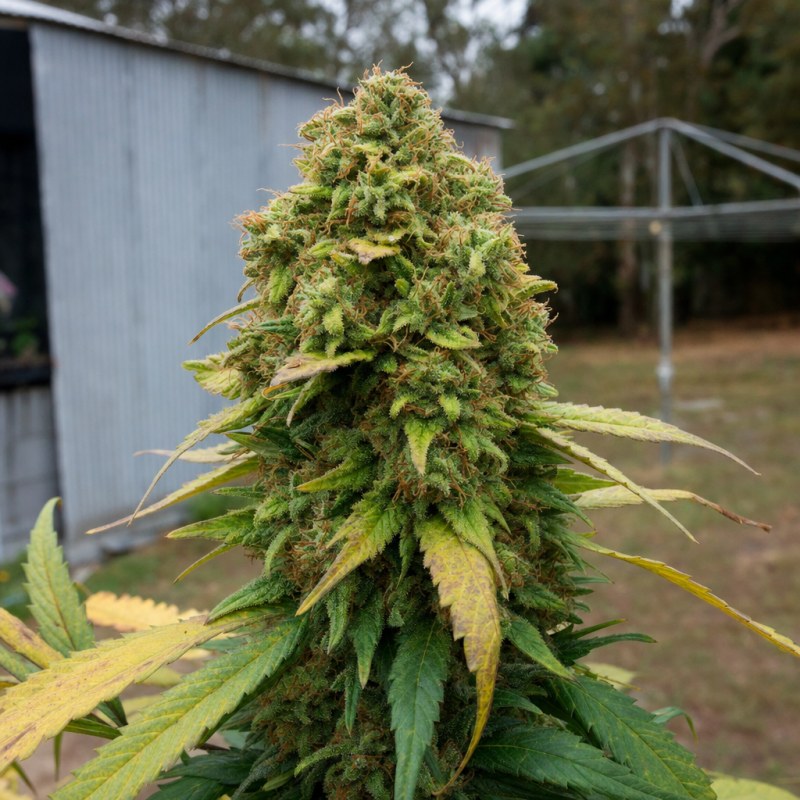
24K Gold
24K Gold feminised seeds are indica-leaning, with orange, citrus, sweet and earthy flavours and a 9–11 week flowering time.
From $79.00
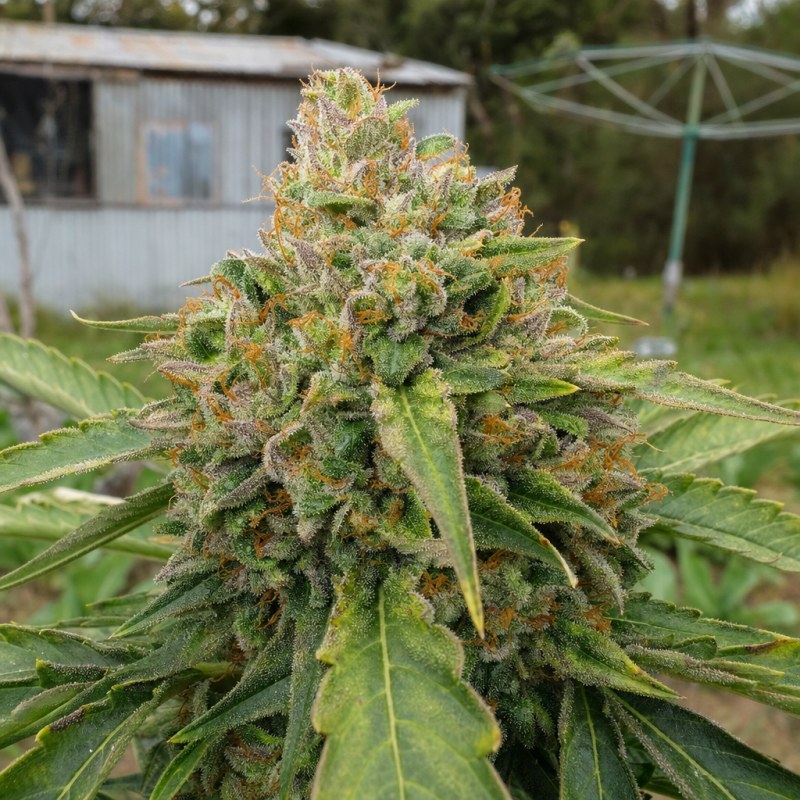
9 Pound Hammer
9 Pound Hammer feminised seeds offer an indica-dominant profile with sweet berry, grape and citrus flavours, suited to intermediate growers.
From $99.00
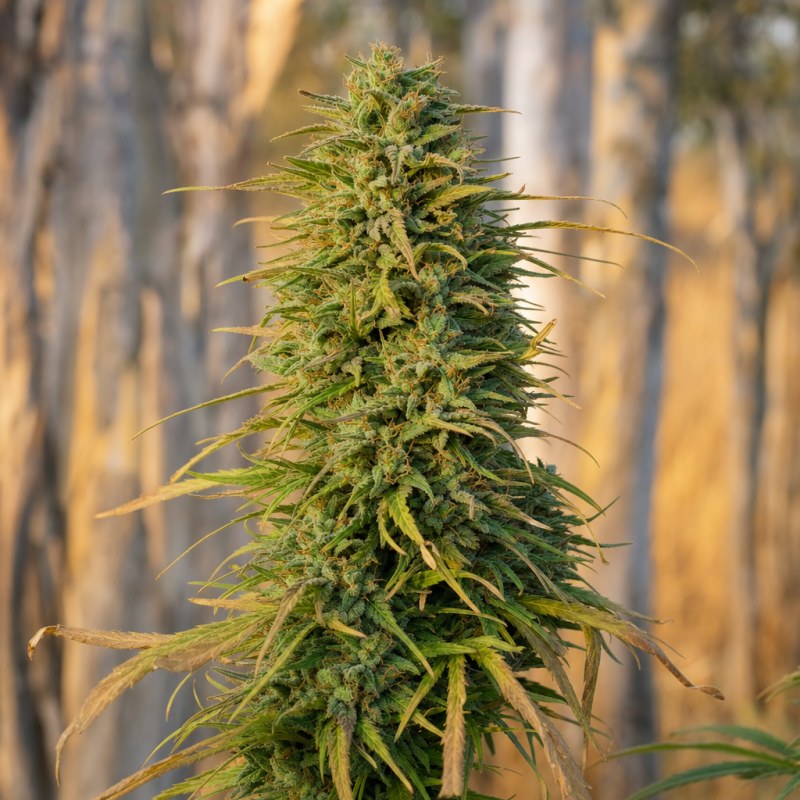
Acapulco Gold
Acapulco Gold feminised seeds offer a sativa-dominant profile with sweet citrus, lemon and fruity flavours for intermediate growers.
From $89.00
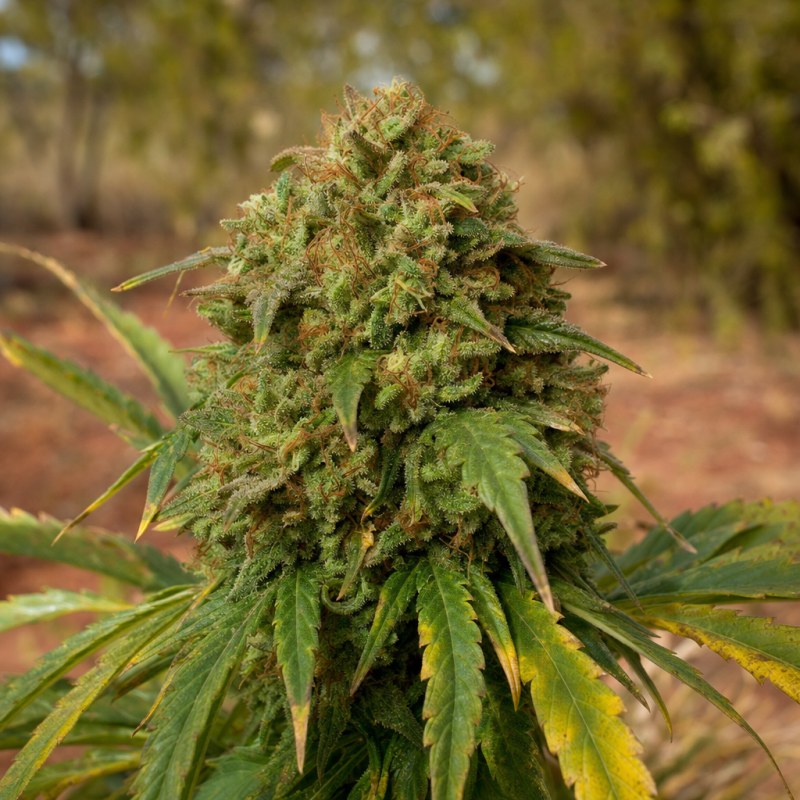
ACDC
ACDC feminised seeds offer a balanced 50/50 photoperiod hybrid profile, with sweet pine, woody and lemon flavours.
From $99.00
Related grow guides
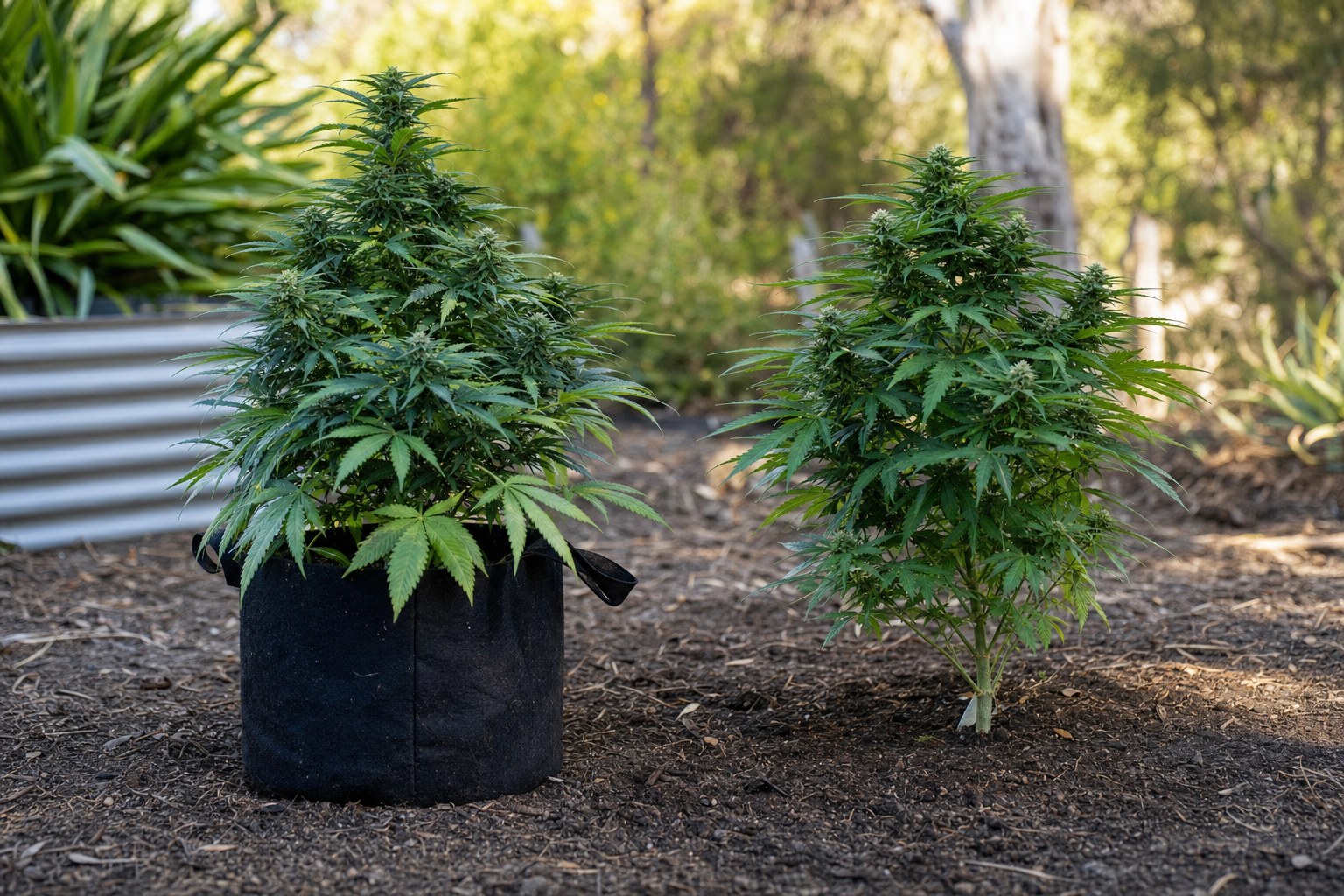
Growing Cannabis in Pots vs In the Ground in Australia
Compare pots and open ground for cannabis cultivation, including root space, drainage, weather exposure and regional spring conditions across Australia.
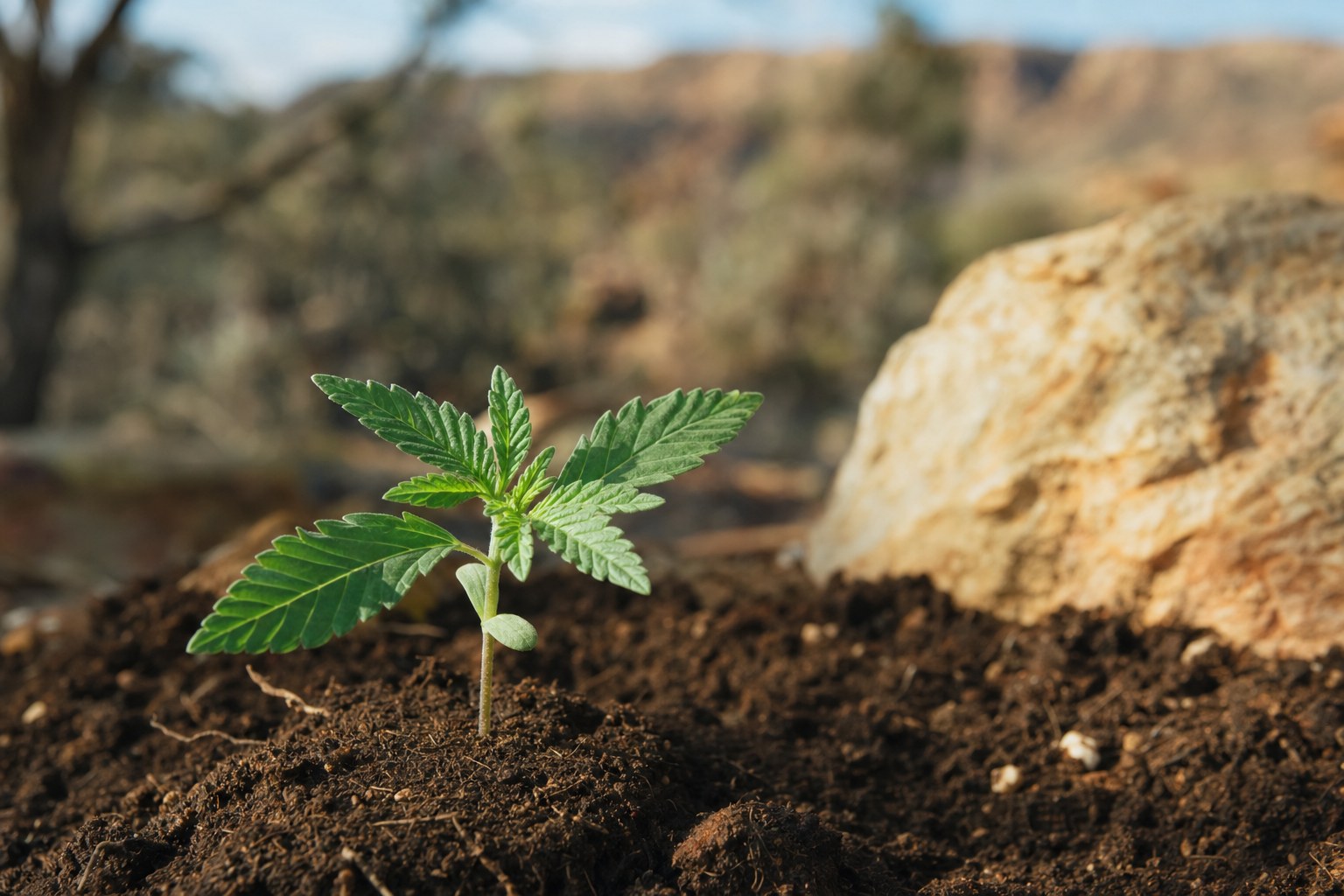
Cannabis Seedling Care: The First Two Weeks
Learn how to manage light, moisture, airflow and temperature during the first two weeks of cannabis seedling growth in Australian spring conditions.
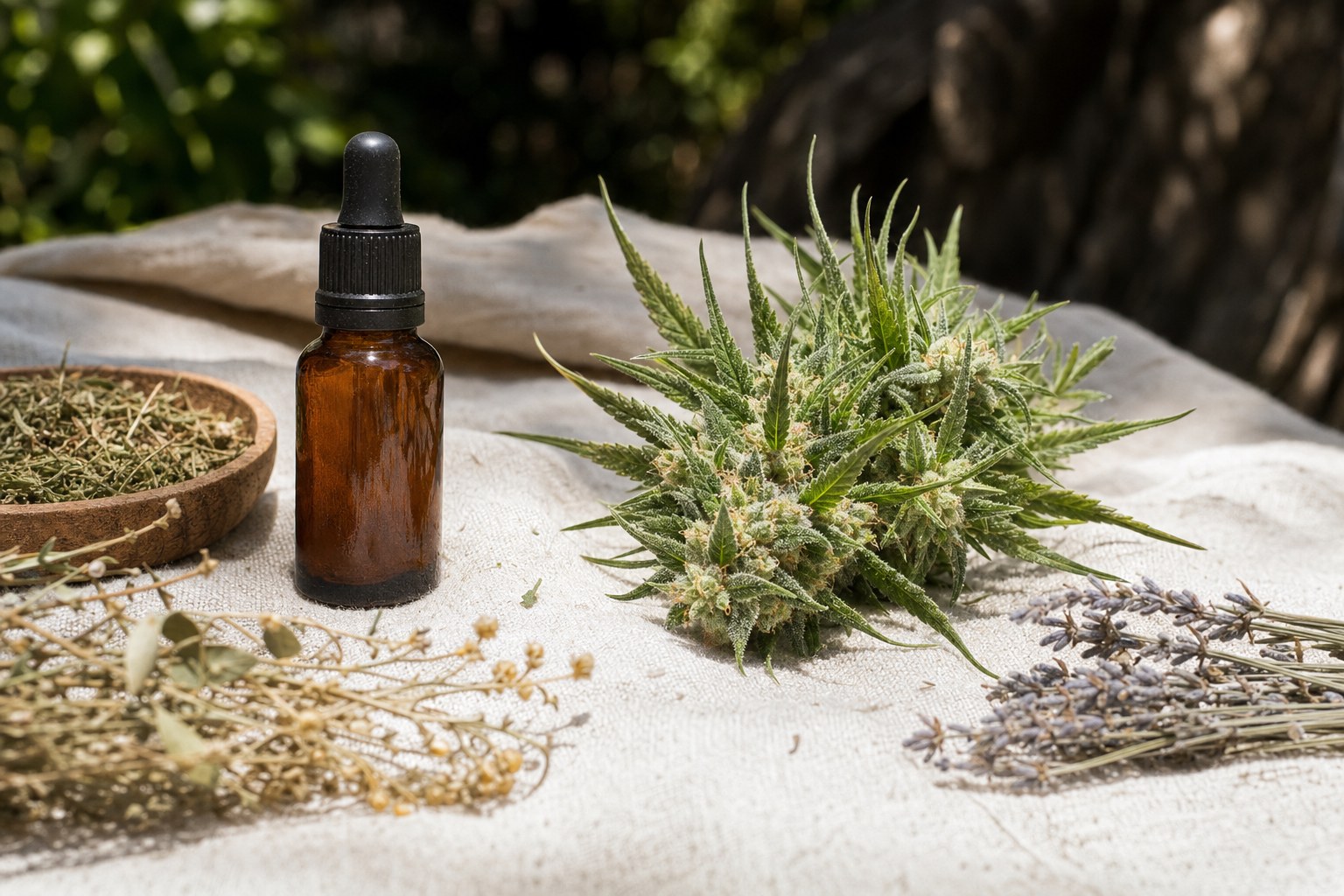
Best CBD Strains to Grow in Australia
Compare CBD seeds in Australia by cannabinoid profile, seed format, flowering time, plant structure and climate fit. This guide covers eight CBD-focused options and a practical southern-hemisphere grow calendar.
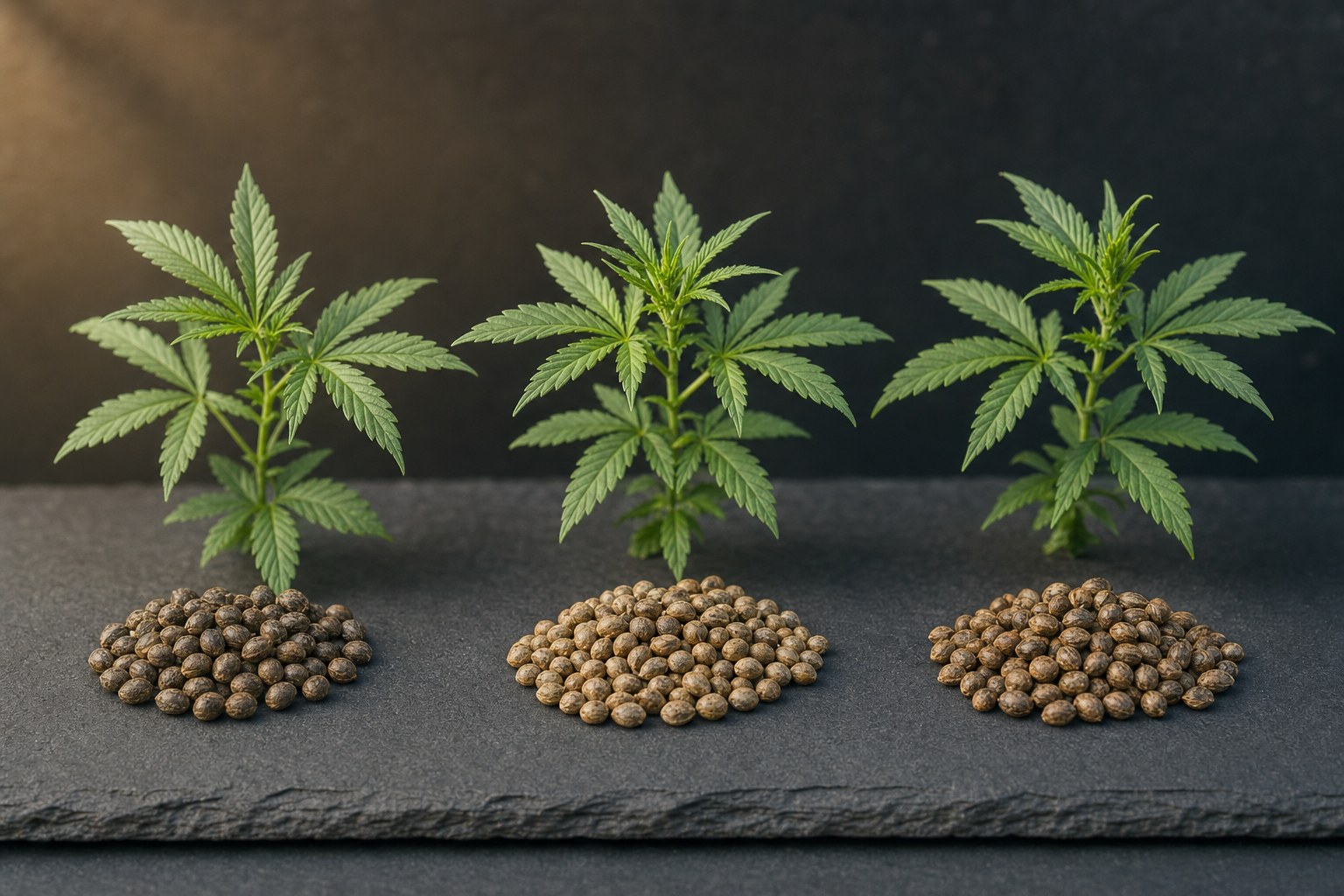
Feminised vs Autoflower vs Regular Seeds: Which Should Australians Choose?
Compare feminised, autoflower and regular cannabis seeds by plant sex, flowering behaviour, space and seasonal timing for Australian growing conditions.