

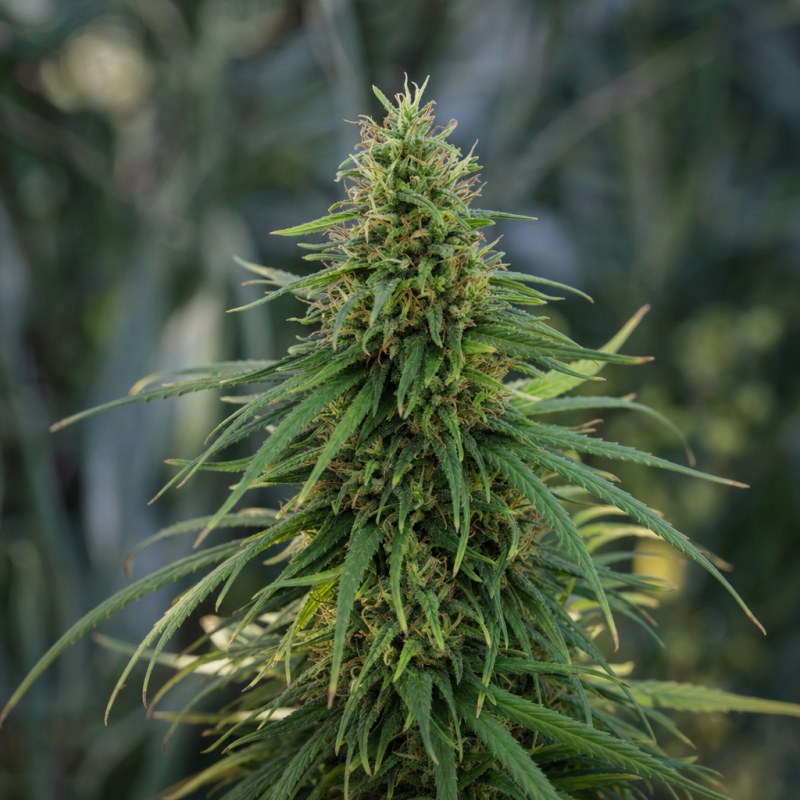
Magnum Auto Seeds
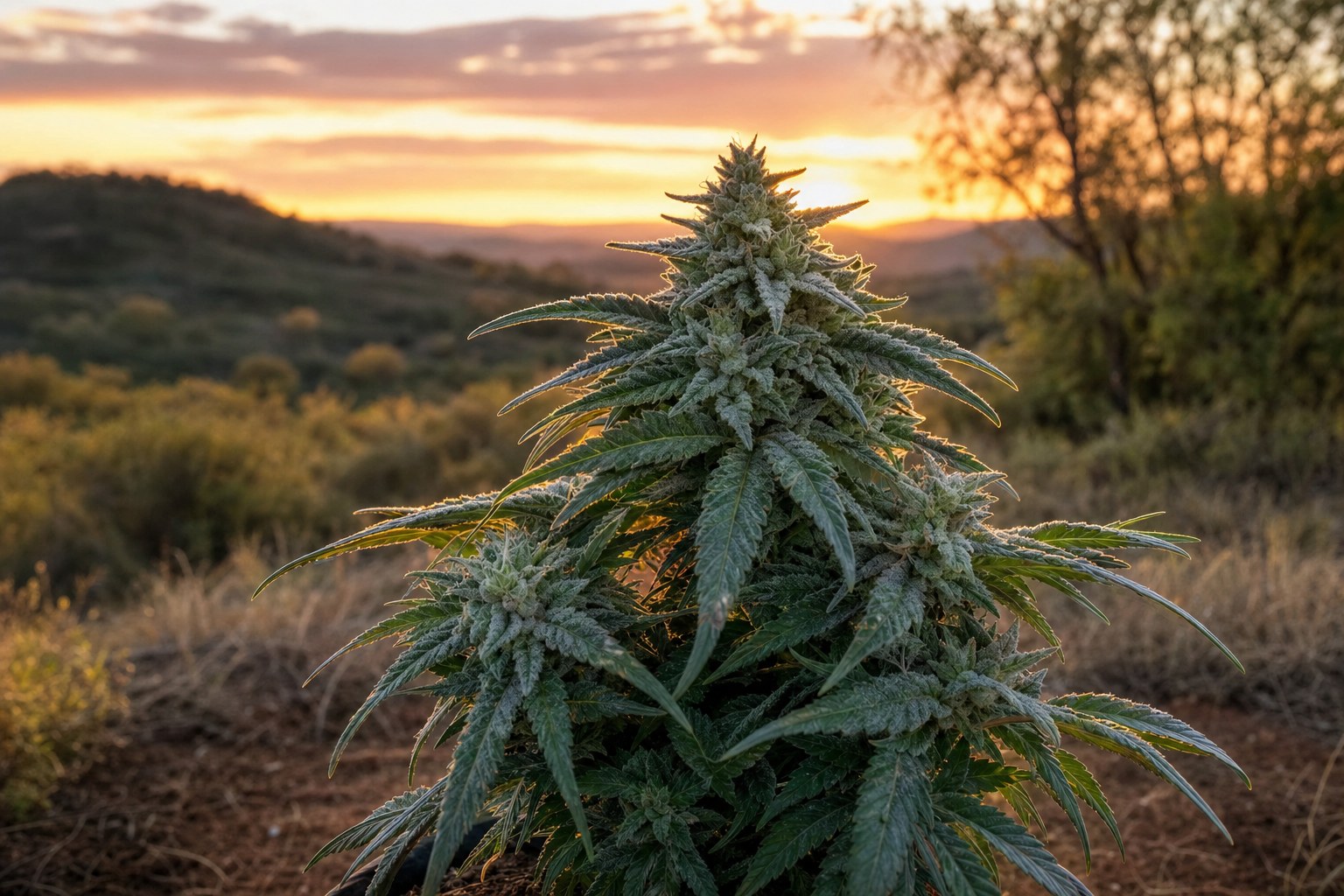
Magnum Auto is a sativa-dominant autoflower seed with citrus, spice, sweet pine and pungent notes, flowering in around 8–9 weeks.
Specifications
- Genetics
- Sativa-dominant autoflowering hybrid with ruderalis ancestry; exact lineage is not publicly established
- Climate
- Hot dry · Temperate · Cool short season
- Height indoor
- up to 150 cm
- Height outdoor
- up to 160 cm
- Yield indoor
- up to 400 g/m²
- Yield outdoor
- up to 150 g/plant
Effects
Flavours
Terpenes
Presented in the Outback Seed Bank catalogue, Magnum Auto is a vigorous, sativa-dominant choice for growers seeking an autoflower with substantial height and a relatively short flowering phase. It suits intermediate growers who can manage its energetic growth, airflow and changing seasonal conditions.
Genetics & effects
Magnum Auto is described as approximately 70% sativa and 30% indica, with ruderalis ancestry supplying its autoflowering behaviour. Its exact lineage is not publicly established. Available figures place THC around 15–20% and CBD at 0–0.2%, although cannabinoid levels can vary with phenotype, environment and post-harvest handling.
Reported experiences are subjective. Some consumers describe an uplifting, energetic or creative mood, occasionally accompanied by euphoric, happy and talkative feelings. Others notice a more relaxed finish. Its aromatic profile may combine pungent citrus and pine with spicy, sweet accents, aligning with limonene, pinene and caryophyllene.
Explore autoflower seeds, high thc seeds, the Australian grow guide, and the planting calendar.
Explore autoflower seeds, high thc seeds, the Australian grow guide, and the planting calendar.
Growing in Australia
As an autoflower seed, Magnum Auto begins flowering according to age rather than a change in daylight hours. This can simplify scheduling, but its fast life cycle leaves less time to recover from major stress. Use a light, well-draining medium, avoid excessive feeding and make environmental changes gradually.
Australian conditions vary widely. Hot, dry areas call for careful moisture management and shelter from severe afternoon heat, while temperate regions often offer a broader growing window. In cool, short-season locations, prioritise warmth, strong light and protection from prolonged damp weather. Where outdoor cultivation is permitted, spring planting generally falls between September and November.
Indoor
Indoors, plants may reach up to 150 cm, so vertical space should be planned early. Gentle low-stress shaping can help maintain an even canopy, while heavy pruning may slow an autoflower during its limited vegetative period. Consistent airflow, stable temperatures and sensible humidity control help reduce mould risk around increasingly dense flowers.
Under favourable conditions, reported indoor yields reach up to 400 g/m². This is an upper estimate rather than an assured outcome; light quality, container volume, plant health and grower experience all influence the final result.
Outdoor
Outdoor plants may grow to roughly 160 cm and can produce up to 150 g per plant in suitable conditions. Select a sunny position with free-draining soil and enough airflow between plants. In exposed sites, discreet support can help branches cope with wind and flower weight. Monitor moisture closely during heatwaves, but avoid leaving the root zone continually saturated.
Its adaptability may suit hot, dry, temperate and cooler short-season climates, provided local timing is matched to dependable warmth and sunlight. Coastal humidity or extended autumn rain can increase mould pressure, making regular inspection worthwhile.
Harvest
Flowering is commonly listed at 8–9 weeks, though total seed-to-harvest time may be longer and can differ between plants. Rather than relying only on the calendar, assess flower maturity and overall plant condition. For spring starts in Australia, harvest commonly aligns with March–May for seasonal photoperiod crops, while autoflowers may finish earlier depending on sowing date. Expected yield, potency, colour and aroma remain variable.
Frequently asked questions
What THC and CBD ranges are listed for Magnum Auto?
The reviewed specification lists 15–20% THC and 0–0.2% CBD. These figures describe the catalogue profile; phenotype, environment and testing can change measured levels.
How long does Magnum Auto take to flower?
The listed flowering window is 8–9 weeks. Actual timing can vary with phenotype and growing conditions, so use the range as a planning reference rather than a guarantee.
Which Australia conditions suit Magnum Auto?
The reviewed profile lists hot and dry, temperate and cool, short-season conditions and a intermediate difficulty rating. Local daylight, weather, site exposure and care still influence how a plant develops.
What genetics does Magnum Auto have?
Magnum Auto is a 70% sativa and 30% indica autoflowering hybrid with ruderalis ancestry, although its exact lineage is not publicly established.
Which aromas and terpenes are associated with Magnum Auto?
Magnum Auto is associated with citrus, spicy, pungent, sweet and pine aromas, with limonene, pinene and caryophyllene listed as terpenes.
What yield potential does Magnum Auto have?
Magnum Auto may yield up to 400 g/m² indoors or 150 g per plant outdoors, but these figures are potential estimates and are not guaranteed.
Related genetics
Acapulco Gold Auto
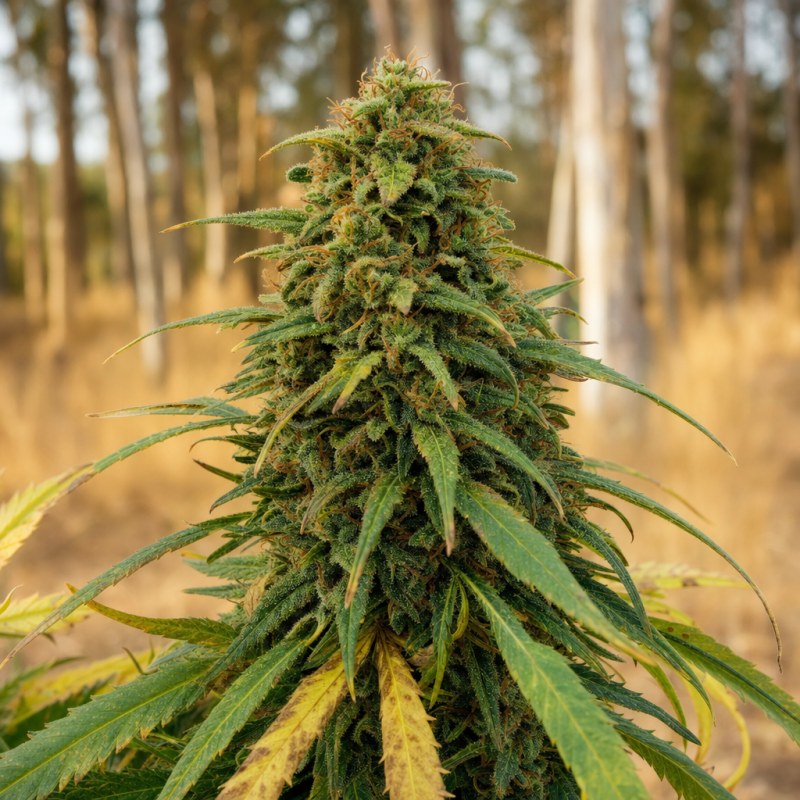
Acapulco Gold Auto is a sativa-dominant autoflower with earthy pine, sweet citrus and fruit flavours, suited to hot, dry or temperate climates.
From $89.00
ACDC Auto
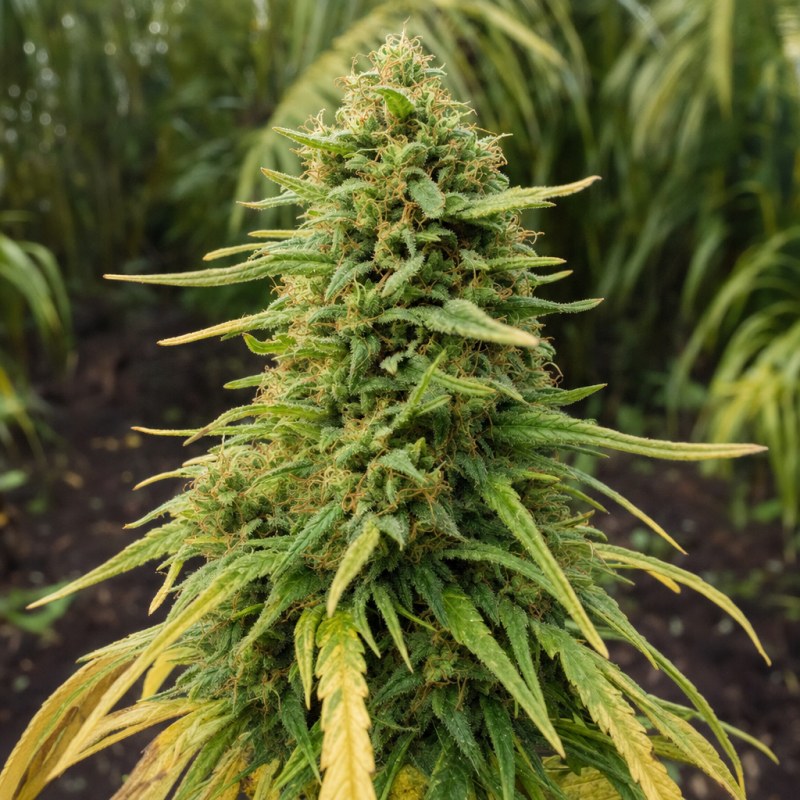
ACDC Auto is a beginner-friendly autoflower with a sativa-leaning profile and sweet, pine, woody and lemon flavours.
From $99.00
Afghani Auto
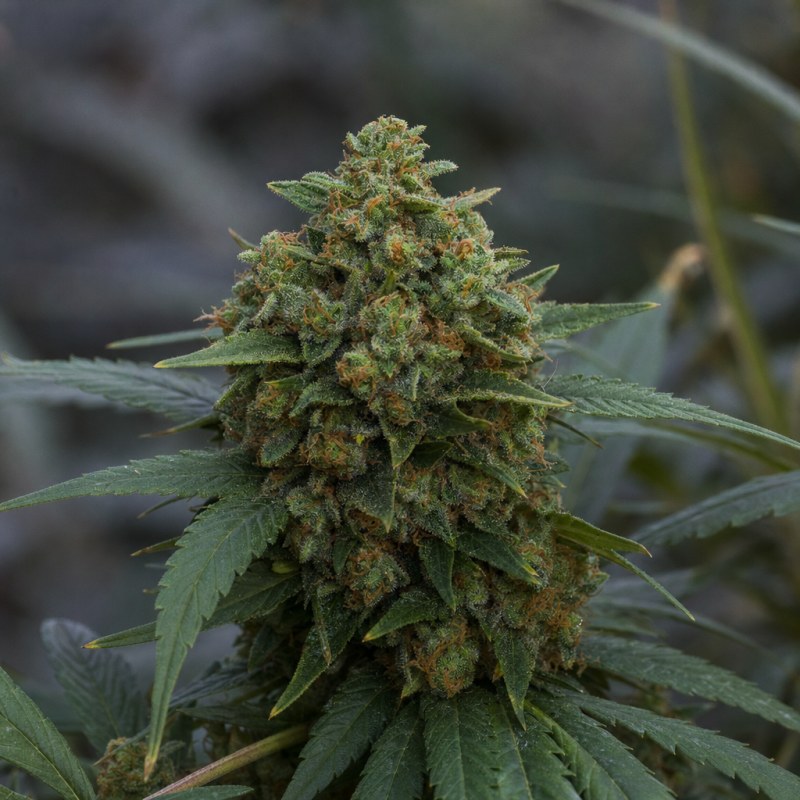
Afghani Auto autoflower seeds offer a 90% indica profile with earthy, spicy and woody flavours, plus an 8–9 week flowering period.
From $89.00
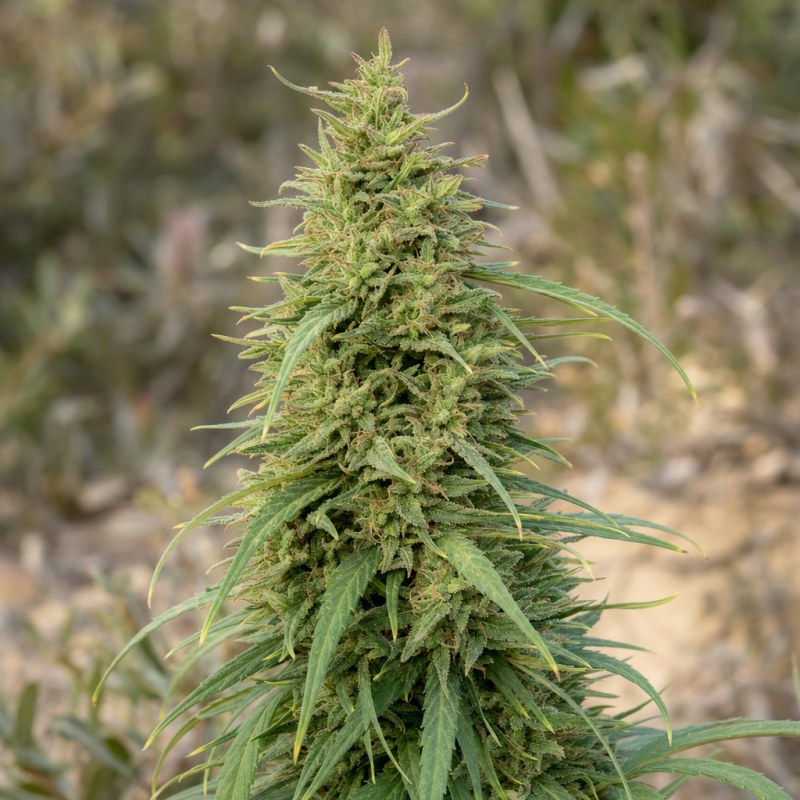
AK-47 Auto
AK-47 Auto is an autoflowering, sativa-leaning hybrid with pungent, herbal and sweet flavours, suited to beginners and cool, short seasons.
From $79.00
Related grow guides
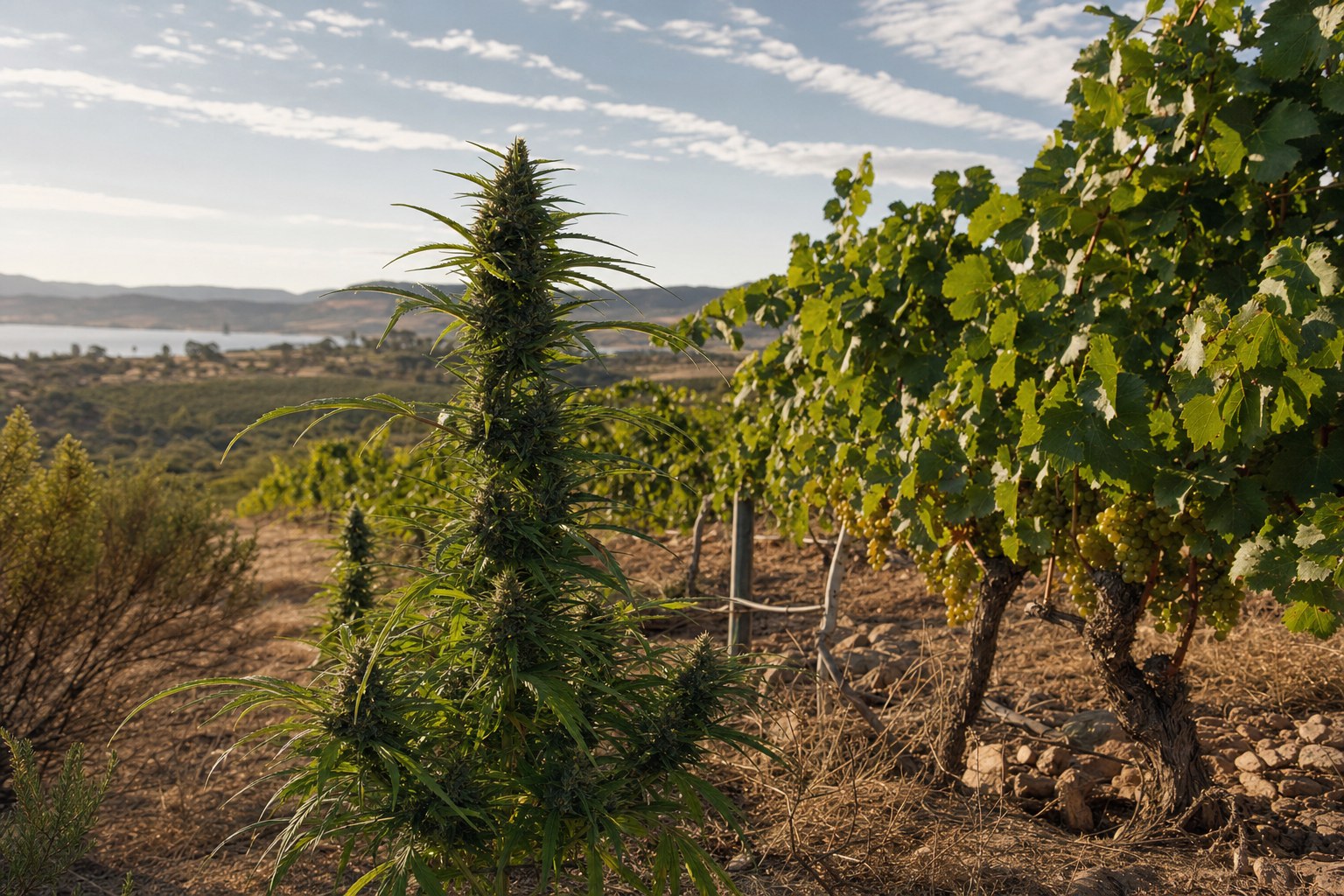
Growing Cannabis in South Australia: Mediterranean Conditions
A climate-focused overview of growing cannabis in Adelaide and regional South Australia, covering Mediterranean conditions, seasonal variability, spring planning and responsible legal research.
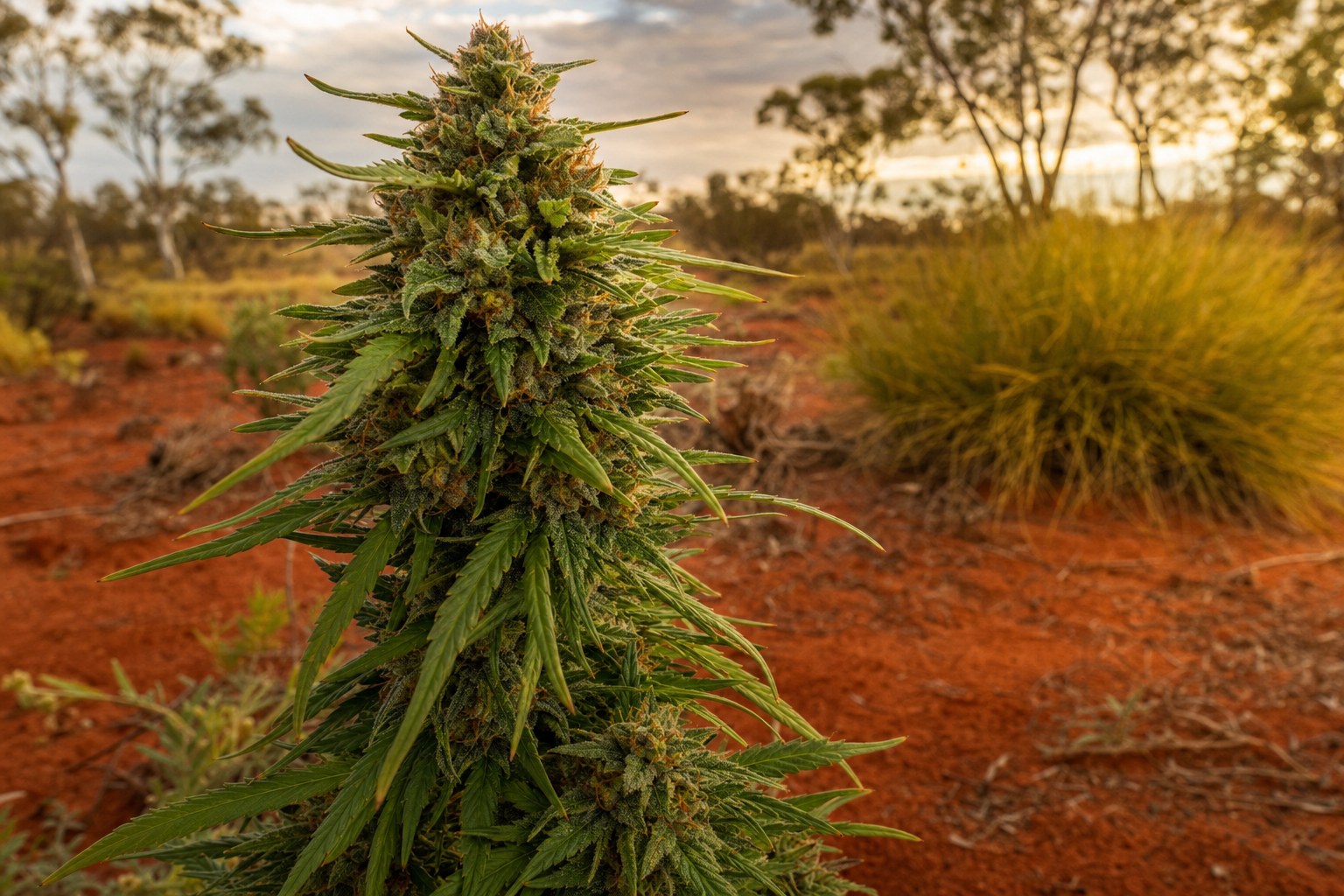
Outback OG: The Strain Selected for Australian Conditions
Meet Outback OG, an OG-style cannabis strain selected with Australian growers in mind.
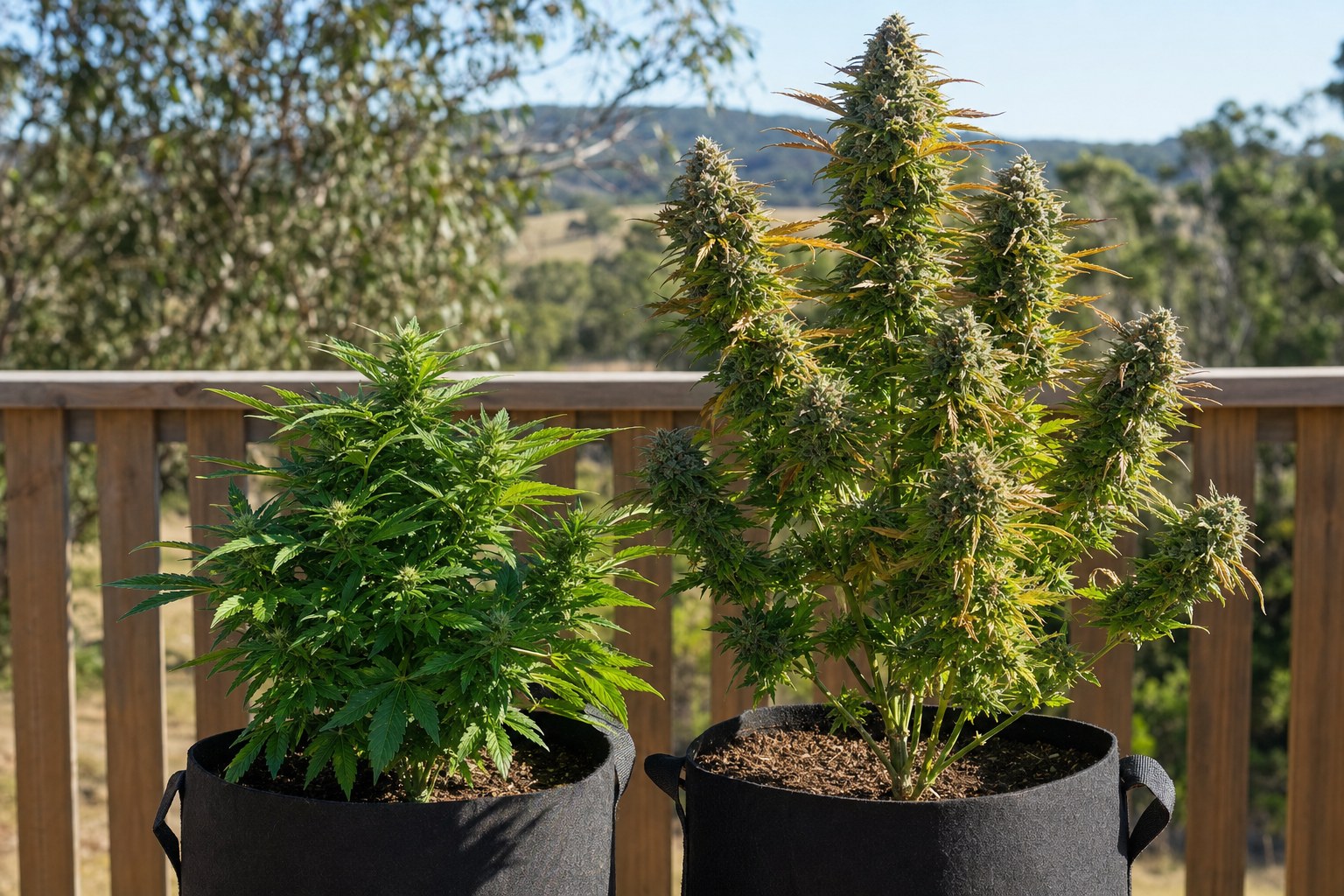
Autoflowers in Australia: Two Harvests in One Summer
A two-cycle autoflower summer may be possible in parts of Australia when short lifecycle cultivars, suitable weather and an early start align.
Growing Northern Lights in Australia: Strain Guide
Northern Lights is a compact, indica-dominant cannabis variety suited to controlled indoor spaces and warm, sheltered outdoor sites.