

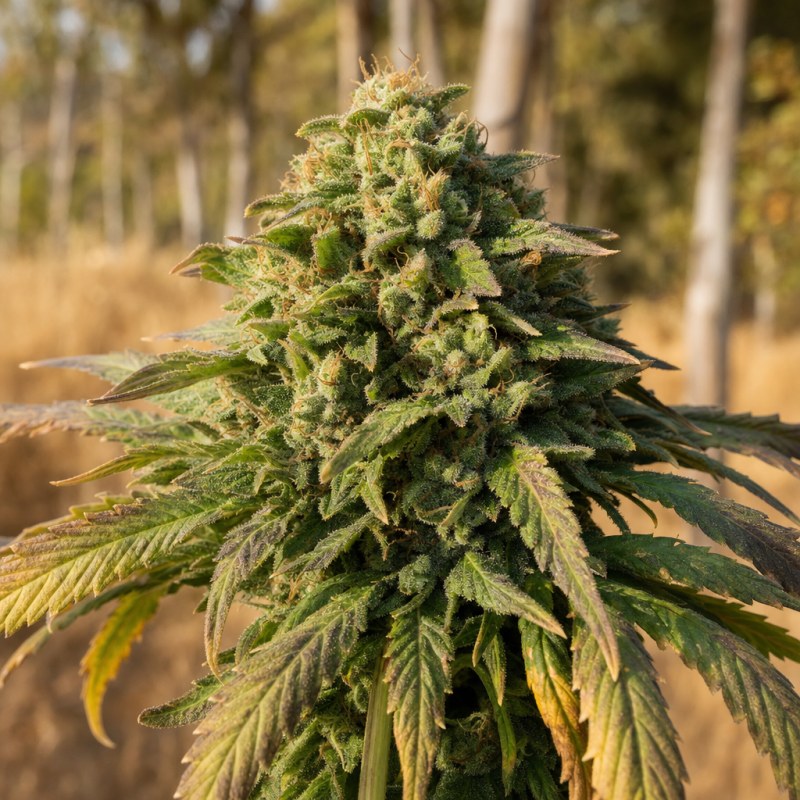
Purple Kush Auto Seeds
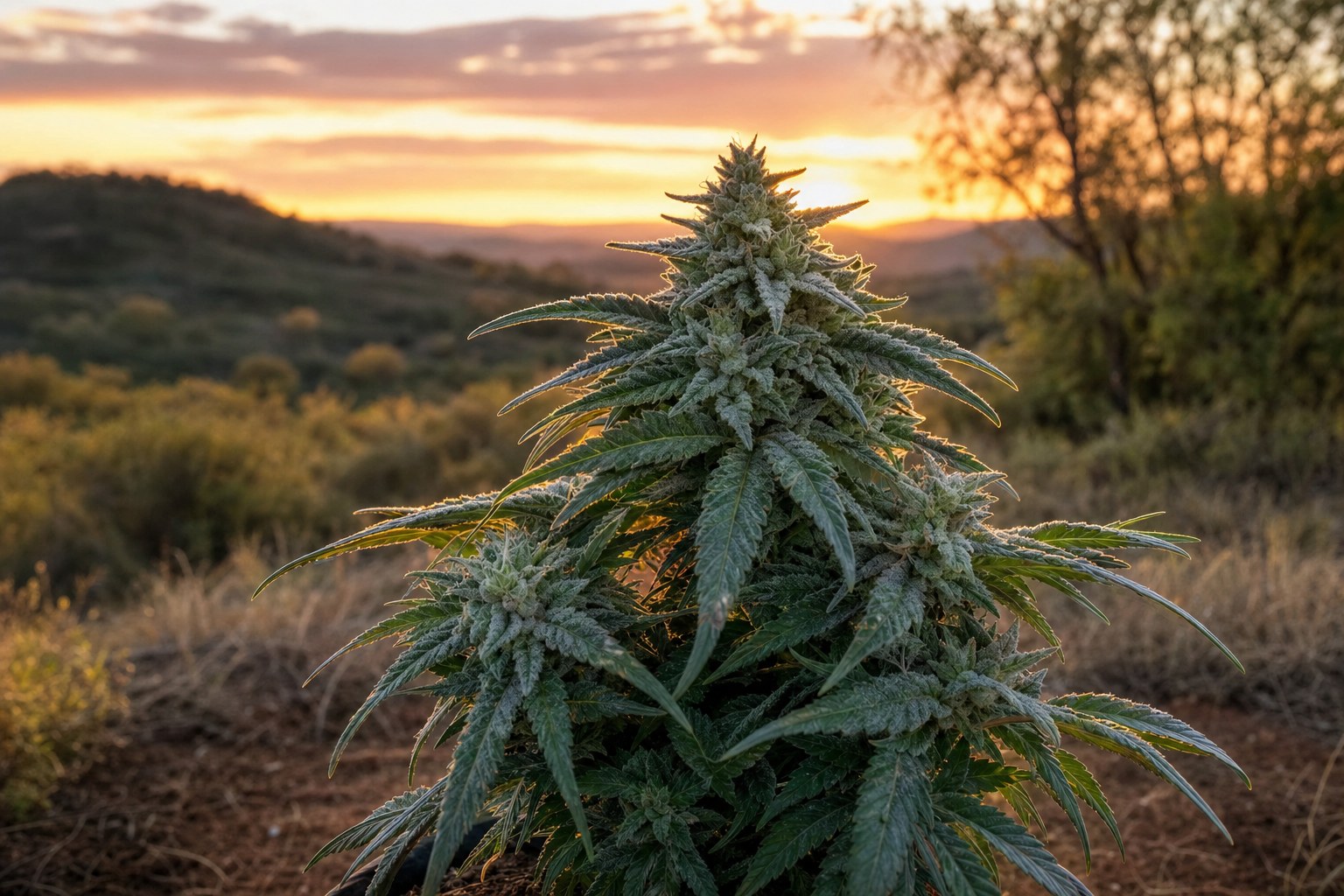
Purple Kush Auto is an indica-dominant autoflower with sweet, fruity flavours, suited to beginners in hot, dry or temperate climates.
Specifications
- Genetics
- Purple Kush × ruderalis
- Climate
- Hot dry · Temperate
- Height indoor
- up to 100
- Height outdoor
- up to 150
- Yield indoor
- up to 300
- Yield outdoor
- up to 600
Effects
Flavours
Terpenes
Purple Kush Auto is a feminised autoflower that combines Purple Kush × ruderalis genetics in a compact, mostly indica profile. Presented in the Outback Seed Bank catalogue, it is aimed at growers seeking a straightforward plant with rich colour potential, sweet fruity aromas and a relatively short flowering window. Listed figures are practical guides rather than assured outcomes, as environment and grower technique can influence every crop.
Genetics & effects
The genetic balance is listed as approximately 80% indica and 20% sativa. THC is estimated at 15–20%, with CBD listed below 1%. Myrcene, caryophyllene and limonene contribute to an aromatic profile commonly described as sweet, fruity and gently earthy.
Individual experiences vary, but some adults may perceive the effects as calming, happy and physically relaxed. The mostly indica character may feel especially suited to quiet evenings, slow-paced activities or simply settling into a favourite chair. Potency and personal response can differ, so these descriptions should be understood as subjective impressions only.
Explore autoflower seeds, high thc seeds, the Australian grow guide, and the planting calendar.
Explore autoflower seeds, high thc seeds, the Australian grow guide, and the planting calendar.
Growing in Australia
As an autoflower, Purple Kush Auto begins flowering according to age rather than a major change in daylight hours. Its beginner difficulty rating and moderate proportions can make it approachable for newer growers, while experienced cultivators can refine lighting, airflow and nutrition to suit their setup.
Australian conditions vary substantially by region. Temperate and hot, dry climates may suit this variety, although intense heat, heavy rain and coastal humidity still require attention. Aim for steady airflow, avoid persistently saturated growing media and monitor dense flowers for excess moisture. Local conditions should guide the timing and level of protection provided.
Indoor
Indoors, plants may reach up to 100 cm, making them manageable in many compact spaces. Gentle low-stress shaping can help distribute the canopy without placing excessive pressure on an autoflower’s fixed lifecycle. Consistent lighting and a stable root-zone environment are generally preferable to frequent major adjustments.
- Flowering estimate: 8–10 weeks
- Indoor height: up to 100 cm
- Indicative yield: up to 300 g/m²
- Best focus: airflow, canopy spacing and measured nutrition
Purple colour may become more visible as flowers mature, though expression depends on phenotype and environmental conditions. Maintain space between branches and remove stagnant pockets of air to reduce mould risk.
Outdoor
Outdoors, spring planting in Australia falls between September and November. Autoflowering plants can be started within this period when nights are mild and sufficient direct sunlight is available. In favourable conditions, outdoor height may reach up to 150 cm, with listed yields of up to 600 g per plant.
Choose a position with strong light, free-draining soil or growing media, and shelter from damaging wind. In hot, dry districts, mulch and thoughtful irrigation can help moderate rapid moisture loss. In temperate or humid areas, wider spacing and rain cover during wet spells may reduce the risk of mould around developing flowers.
Harvest
Australia’s broader seasonal harvest period is March to May, although autoflowers may finish earlier depending on their start date and conditions. The listed 8–10 week flowering estimate is a guide, so assess maturity by observing flower development, resin coverage and changes in pistil colour rather than relying on the calendar alone.
Harvest in dry weather where possible. Handle flowers carefully, remove visibly damaged material and dry them in a dark, well-ventilated space with stable conditions. Final aroma, colour, density and yield will vary between plants and growing environments.
Frequently asked questions
What THC and CBD ranges are listed for Purple Kush Auto?
The reviewed specification lists 15–20% THC and 0–0.9% CBD. These figures describe the catalogue profile; phenotype, environment and testing can change measured levels.
How long does Purple Kush Auto take to flower?
The listed flowering window is 8–10 weeks. Actual timing can vary with phenotype and growing conditions, so use the range as a planning reference rather than a guarantee.
Which Australia conditions suit Purple Kush Auto?
The reviewed profile lists hot and dry and temperate conditions and a beginner difficulty rating. Local daylight, weather, site exposure and care still influence how a plant develops.
What seed format and genetics does Purple Kush Auto have?
Purple Kush Auto is an autoflower with Purple Kush × ruderalis genetics and an 80% indica and 20% sativa profile.
Which aromas and terpenes are associated with Purple Kush Auto?
Purple Kush Auto has fruity and sweet flavours, with myrcene, caryophyllene and limonene listed as its terpenes.
What yield potential does Purple Kush Auto have?
Its stated yield potential is up to 300 g/m² indoors and up to 600 g per plant outdoors, but these figures are not guaranteed.
Related genetics
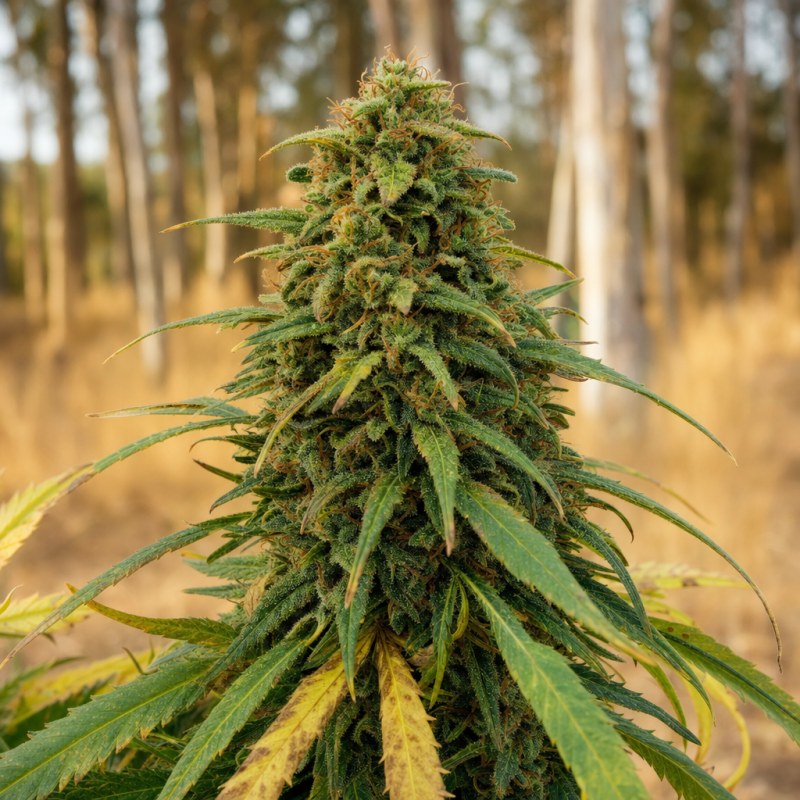
Acapulco Gold Auto
Acapulco Gold Auto is a sativa-dominant autoflower with earthy pine, sweet citrus and fruit flavours, suited to hot, dry or temperate climates.
From $89.00
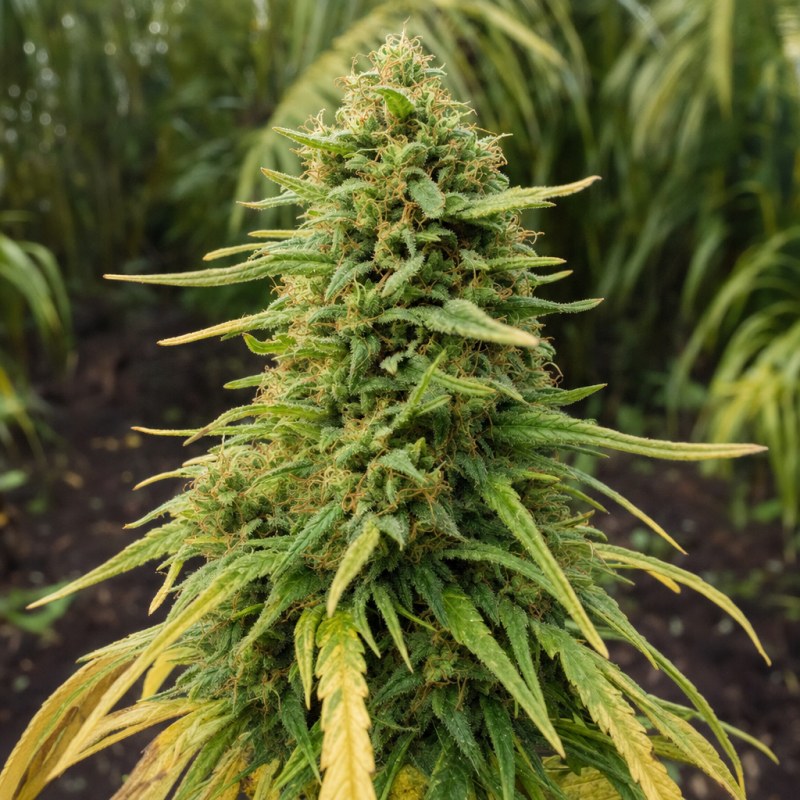
ACDC Auto
ACDC Auto is a beginner-friendly autoflower with a sativa-leaning profile and sweet, pine, woody and lemon flavours.
From $99.00
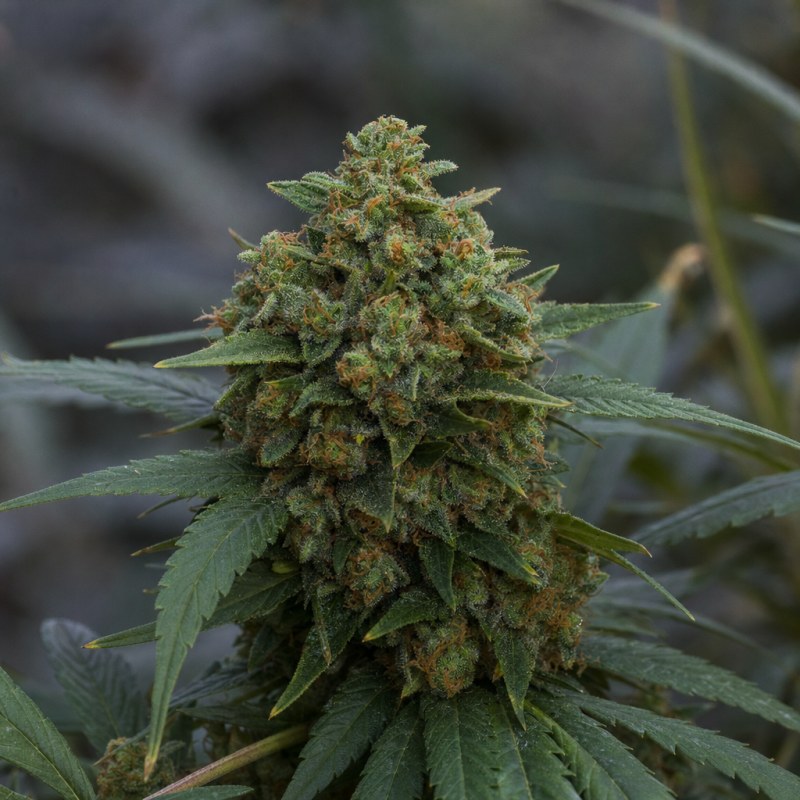
Afghani Auto
Afghani Auto autoflower seeds offer a 90% indica profile with earthy, spicy and woody flavours, plus an 8–9 week flowering period.
From $89.00
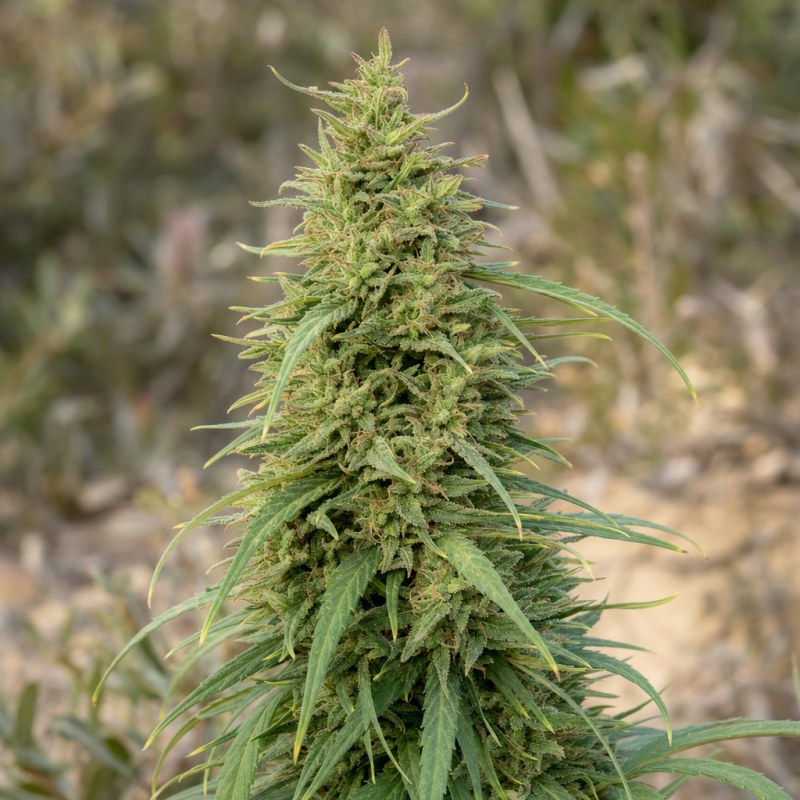
AK-47 Auto
AK-47 Auto is an autoflowering, sativa-leaning hybrid with pungent, herbal and sweet flavours, suited to beginners and cool, short seasons.
From $79.00
Related grow guides
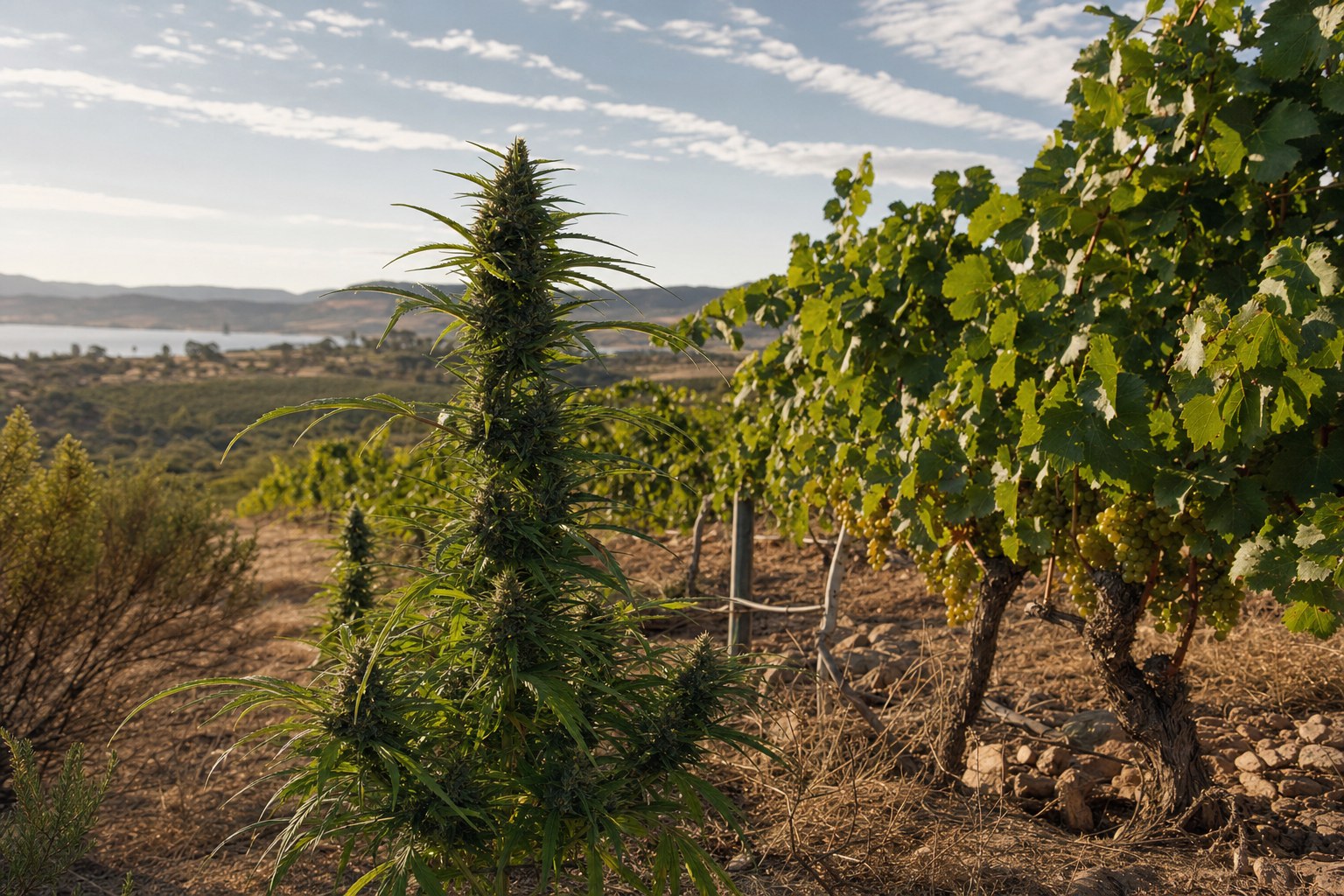
Growing Cannabis in South Australia: Mediterranean Conditions
A climate-focused overview of growing cannabis in Adelaide and regional South Australia, covering Mediterranean conditions, seasonal variability, spring planning and responsible legal research.
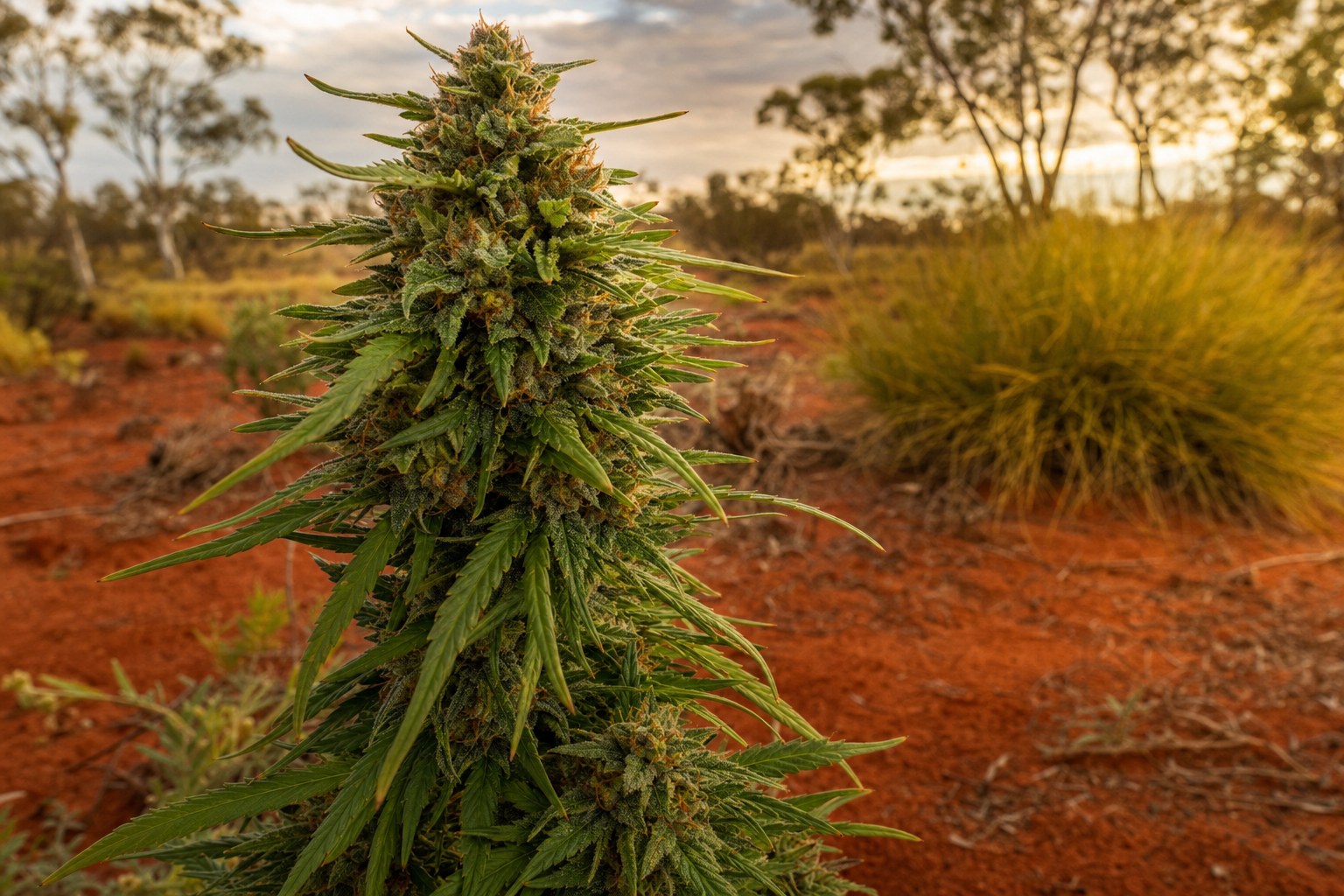
Outback OG: The Strain Selected for Australian Conditions
Meet Outback OG, an OG-style cannabis strain selected with Australian growers in mind.
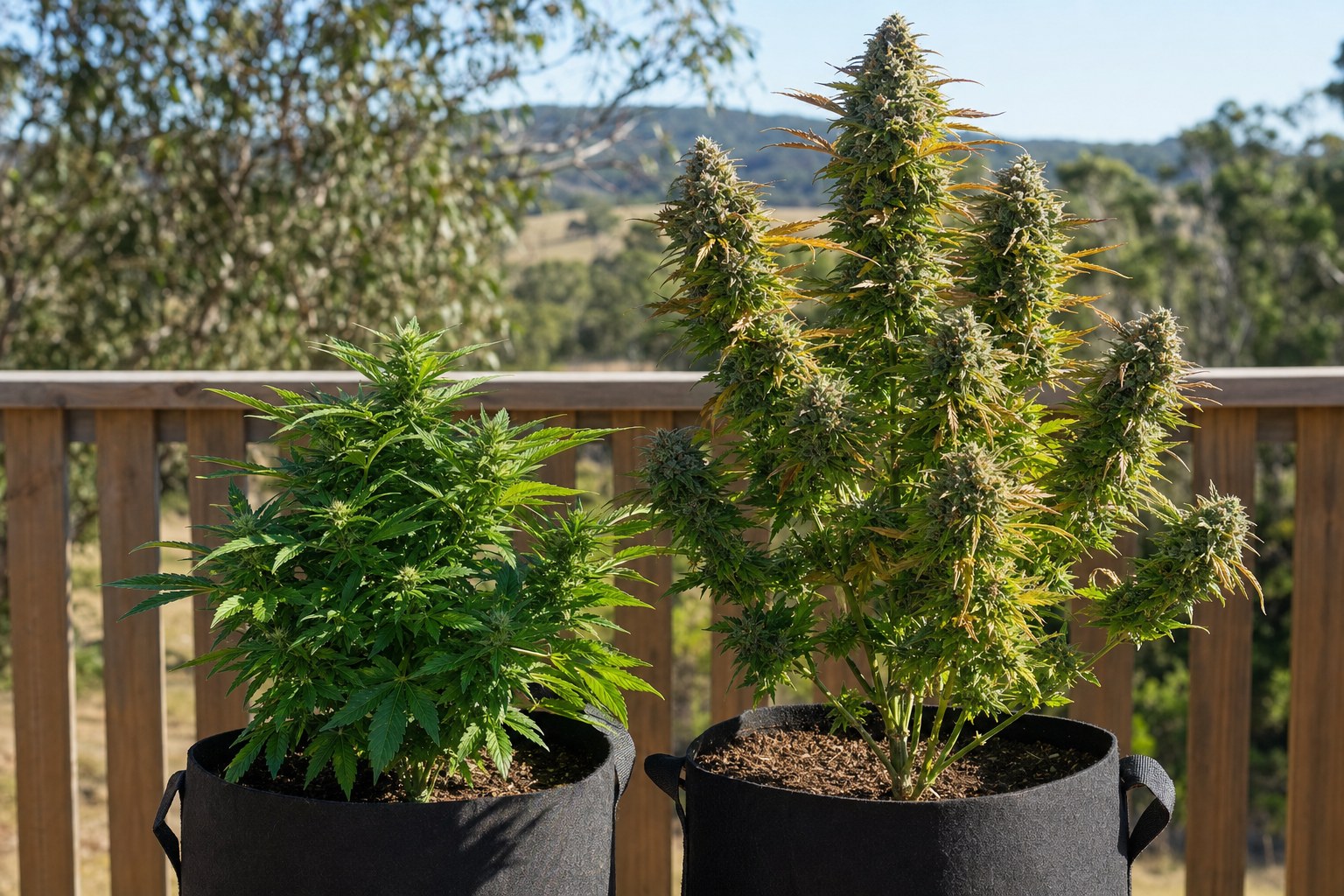
Autoflowers in Australia: Two Harvests in One Summer
A two-cycle autoflower summer may be possible in parts of Australia when short lifecycle cultivars, suitable weather and an early start align.
Growing Northern Lights in Australia: Strain Guide
Northern Lights is a compact, indica-dominant cannabis variety suited to controlled indoor spaces and warm, sheltered outdoor sites.