

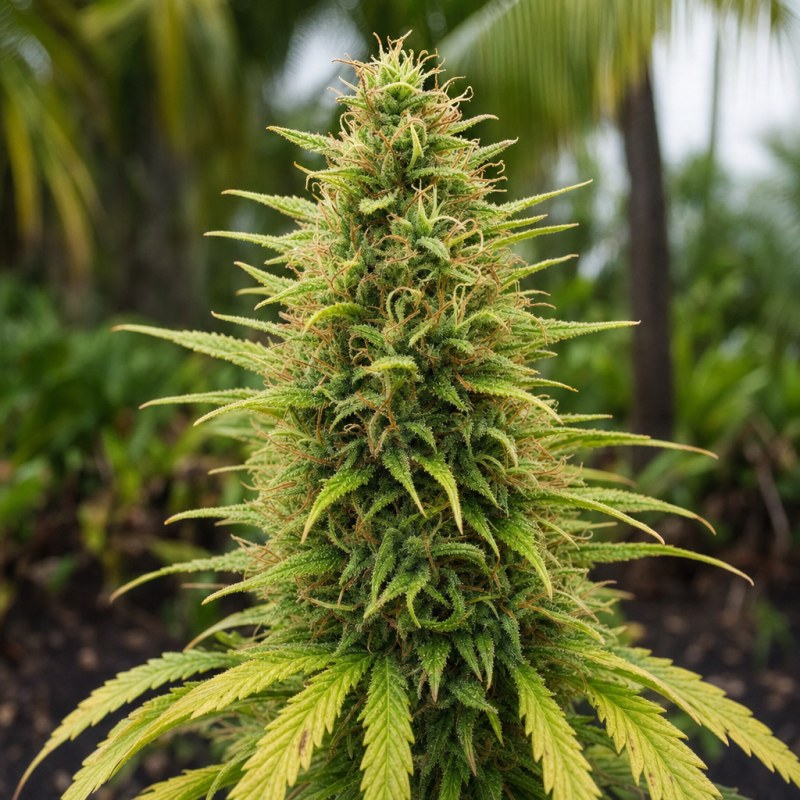
Stardawg Seeds
Stardawg is a feminised, sativa-leaning cultivar with diesel, pine and citrus flavours, suited to intermediate growers.
Specifications
- Genetics
- Chemdawg #4 × Tres Dawg
- Climate
- Hot dry · Temperate
- Height indoor
- up to 180
- Height outdoor
- up to 220
- Yield indoor
- up to 500
- Yield outdoor
- up to 400
Effects
Flavours
Terpenes
Genetics & effects
Stardawg is a feminised, sativa-leaning hybrid created from Chemdawg #4 × Tres Dawg. Its 60% sativa and 40% indica profile supports vigorous growth, substantial lateral branching and resinous flowers with a bold aroma. Catalogue figures place THC at 18–24% and CBD at 0–0.6%, though expression can vary with phenotype and growing conditions.
Diesel and skunk lead the flavour profile, followed by pine, lemon, citrus and a light sweetness. Caryophyllene, limonene and myrcene are the principal listed terpenes. Experiences are subjective, but Stardawg is often described as energetic, creative and euphoric at first, with happy, social or talkative qualities. Some people report a more relaxed feeling as the experience develops.
Explore feminised seeds, high thc seeds, the Australian grow guide, and the planting calendar.
Explore feminised seeds, high thc seeds, the Australian grow guide, and the planting calendar.
Growing in Australia
Stardawg is rated for intermediate growers and is most at home in hot, dry or temperate Australian conditions. Its height and branching call for forward planning, particularly where space is limited. Good airflow, measured watering and protection from prolonged humidity can reduce the risk of mould around dense flowers.
For outdoor gardens, spring planting generally falls between September and November. Local temperature, rainfall and daylight patterns differ considerably across Australia, so growers should use regional conditions rather than the calendar alone. Explore more feminised seeds when comparing formats for a planned garden.
Indoor
Indoors, Stardawg may reach up to 180 cm and has a listed flowering period of approximately 9–10 weeks. Topping, low-stress training or a screen can help spread the canopy and keep vigorous vertical growth manageable. Branch support may become useful as flowers gain weight.
- Indicative yield: up to 500 g/m²
- Indicative height: up to 180 cm
- Flowering time: around 9–10 weeks
Odour can become pronounced during flowering, with diesel, citrus and skunk notes particularly noticeable. Stable ventilation and sensible humidity management are important throughout the cycle. Allow enough distance between the canopy and lighting to accommodate late stretching.
Outdoor
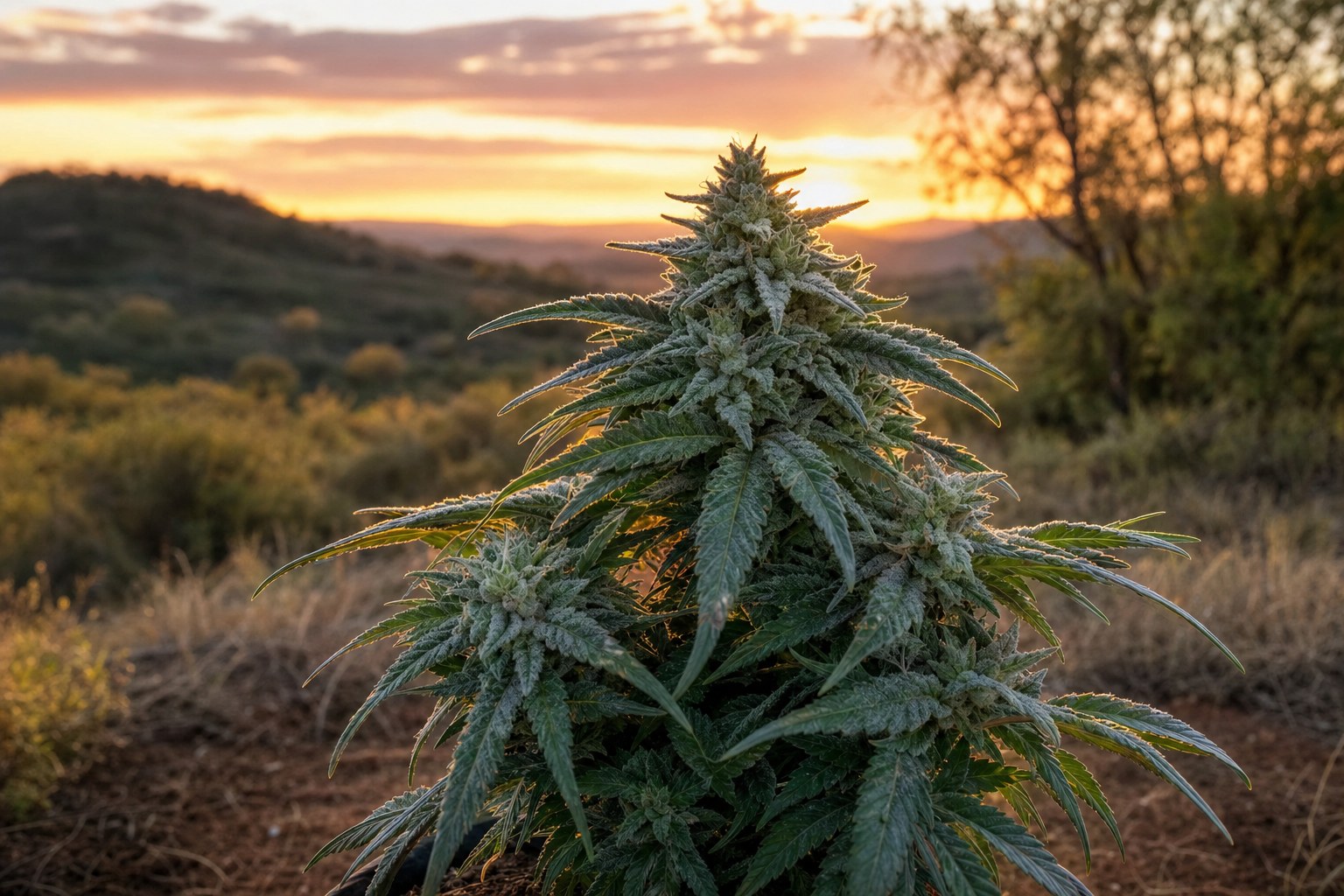
Outdoor plants may reach up to 220 cm where root space, sun and nutrition are favourable. A sunny, well-ventilated position suits this cultivar, while discreet structural support can help exposed branches cope with wind. In humid districts, regular canopy checks and selective thinning may improve airflow without removing excessive healthy foliage.
- Indicative yield: up to 400 g per plant
- Indicative height: up to 220 cm
- Preferred climates: hot and dry or temperate
Harvest
Australian outdoor harvest commonly falls between March and May. Timing depends on planting date, latitude, seasonal weather and individual phenotype. Flower maturity, resin development and fading pistils offer more useful guidance than a fixed date. Indoor growers can work from the 9–10 week flowering window while checking each plant independently.
Expect dense, aromatic flowers with resin coverage and green tones that may develop extra colour under cooler late-season conditions. Final height, yield, potency and harvest timing are indicative rather than assured, as environment and cultivation choices influence every plant.
Frequently asked questions
What THC and CBD ranges are listed for Stardawg?
The reviewed specification lists 18–24% THC and 0–0.6% CBD. These figures describe the catalogue profile; phenotype, environment and testing can change measured levels.
How long does Stardawg take to flower?
The listed flowering window is 9–10 weeks. Actual timing can vary with phenotype and growing conditions, so use the range as a planning reference rather than a guarantee.
Which Australia conditions suit Stardawg?
The reviewed profile lists hot and dry and temperate conditions and a intermediate difficulty rating. Local daylight, weather, site exposure and care still influence how a plant develops.
What seed format and genetics does Stardawg have?
Stardawg is supplied as feminised seed and combines Chemdawg #4 with Tres Dawg genetics, with a reviewed composition of 60% sativa and 40% indica.
What aromas and terpenes are associated with Stardawg?
Stardawg features diesel, pine, lemon, citrus, skunk and sweet notes, with caryophyllene, limonene and myrcene among its reviewed terpenes.
What yield potential does Stardawg have?
Stardawg has a reviewed yield potential of up to 500 g/m² indoors and up to 400 g per plant outdoors, but actual yields vary and are not guaranteed.
Related genetics
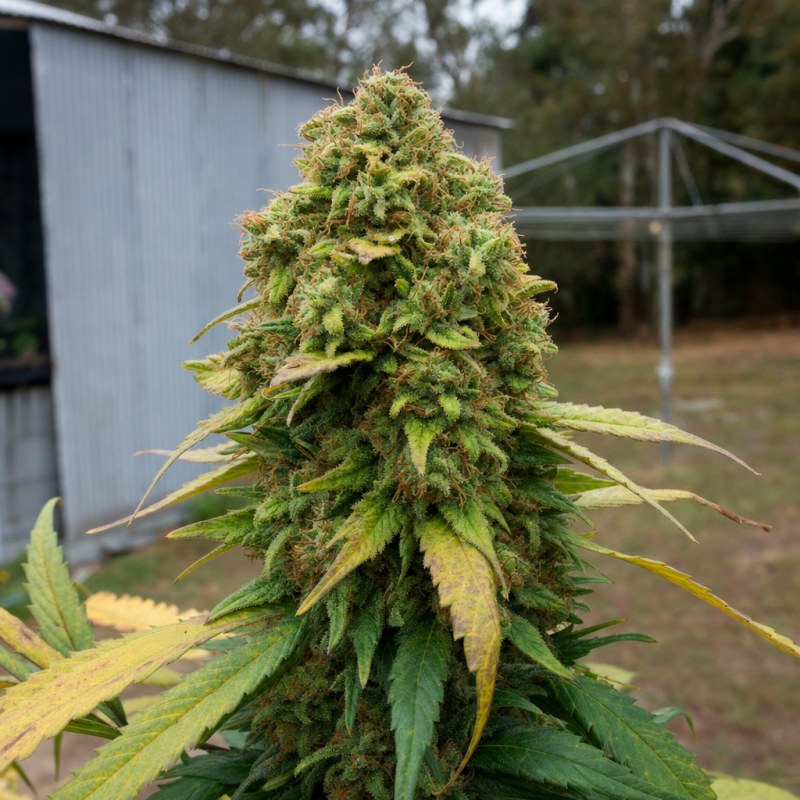
24K Gold
24K Gold feminised seeds are indica-leaning, with orange, citrus, sweet and earthy flavours and a 9–11 week flowering time.
From $79.00
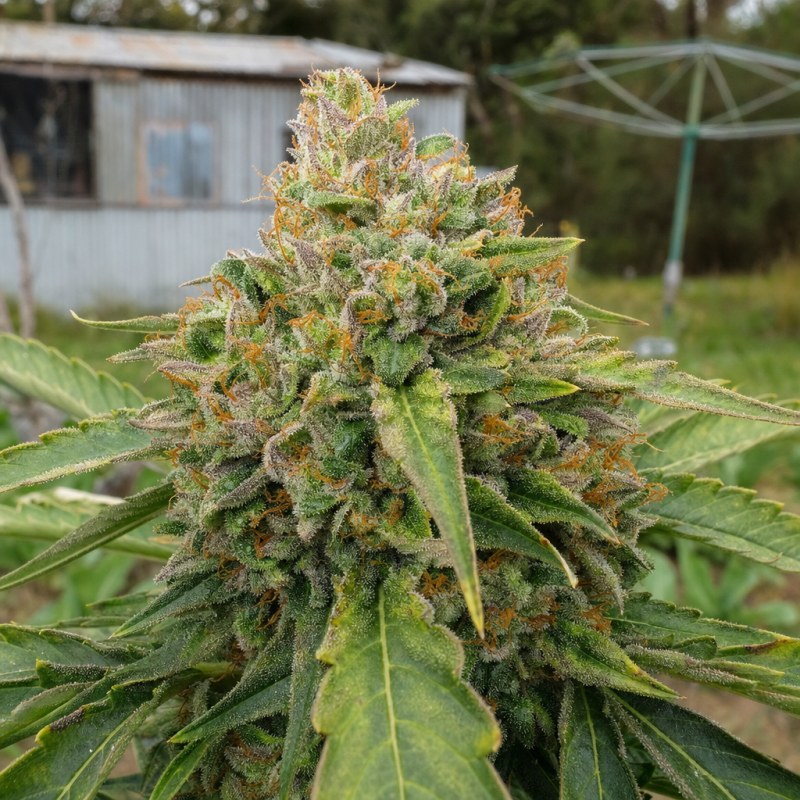
9 Pound Hammer
9 Pound Hammer feminised seeds offer an indica-dominant profile with sweet berry, grape and citrus flavours, suited to intermediate growers.
From $99.00
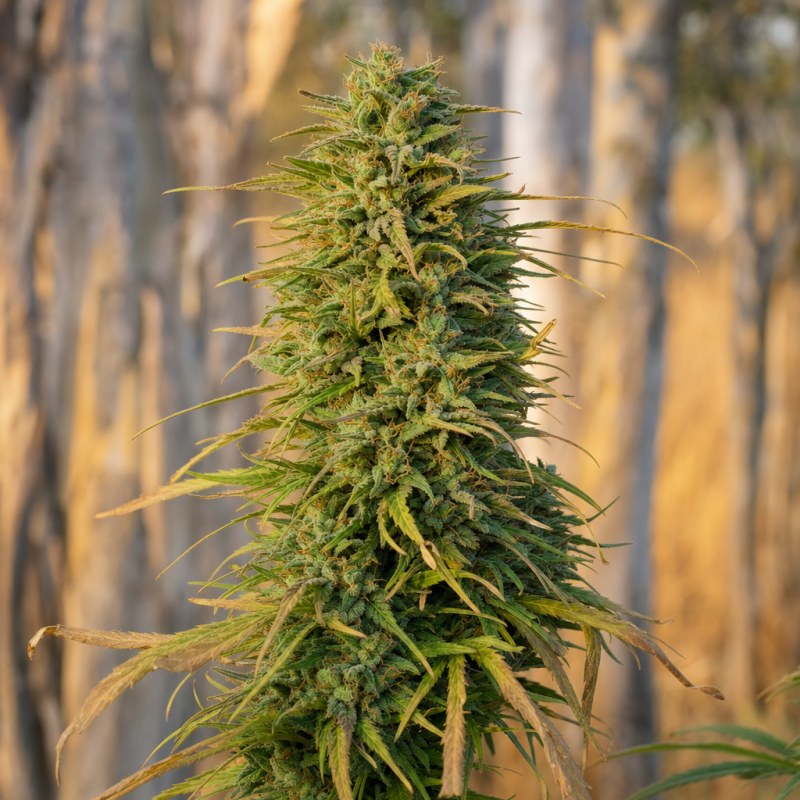
Acapulco Gold
Acapulco Gold feminised seeds offer a sativa-dominant profile with sweet citrus, lemon and fruity flavours for intermediate growers.
From $89.00
ACDC
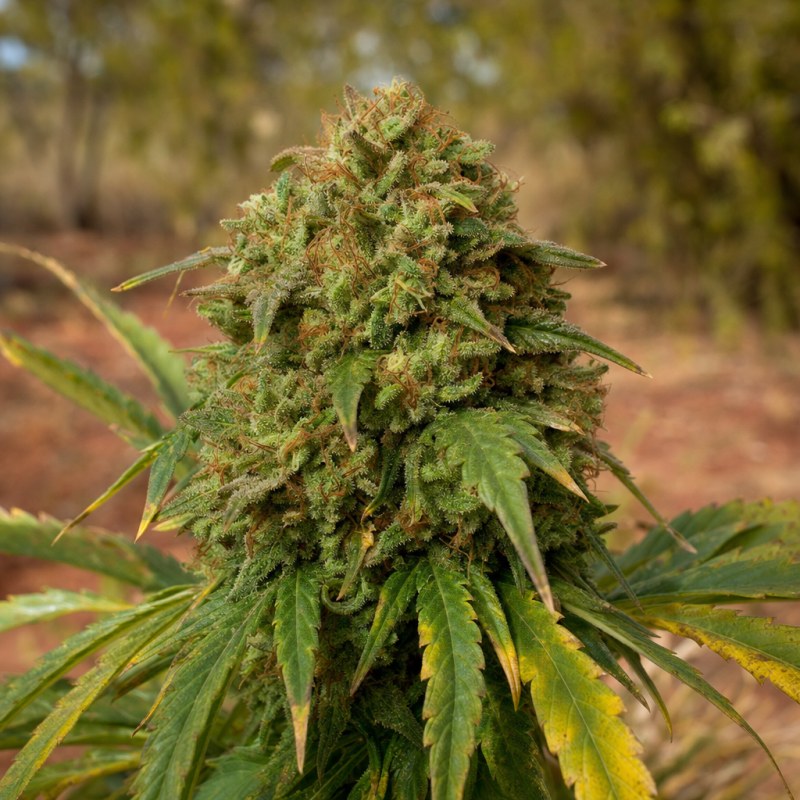
ACDC feminised seeds offer a balanced 50/50 photoperiod hybrid profile, with sweet pine, woody and lemon flavours.
From $99.00
Related grow guides
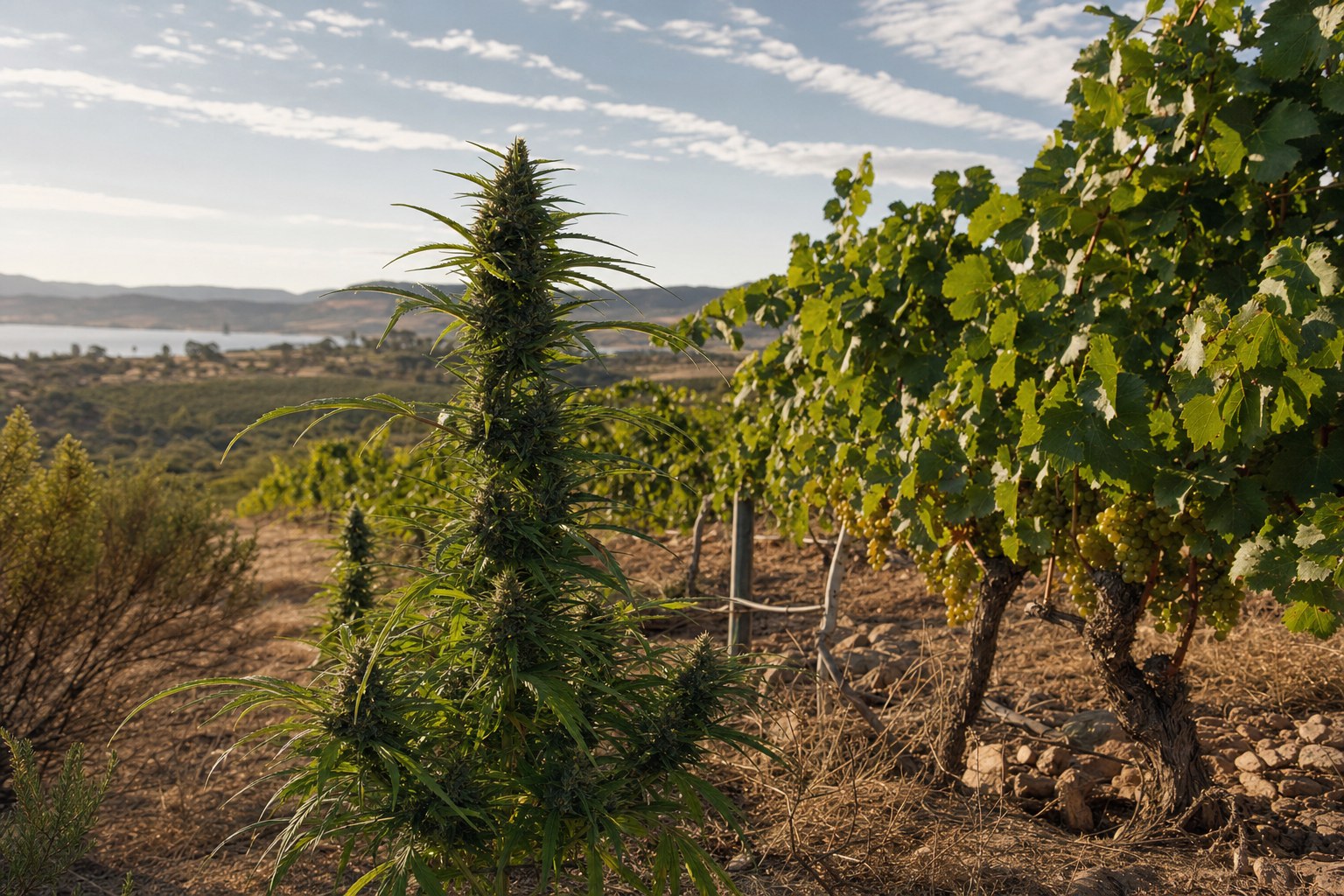
Growing Cannabis in South Australia: Mediterranean Conditions
A climate-focused overview of growing cannabis in Adelaide and regional South Australia, covering Mediterranean conditions, seasonal variability, spring planning and responsible legal research.
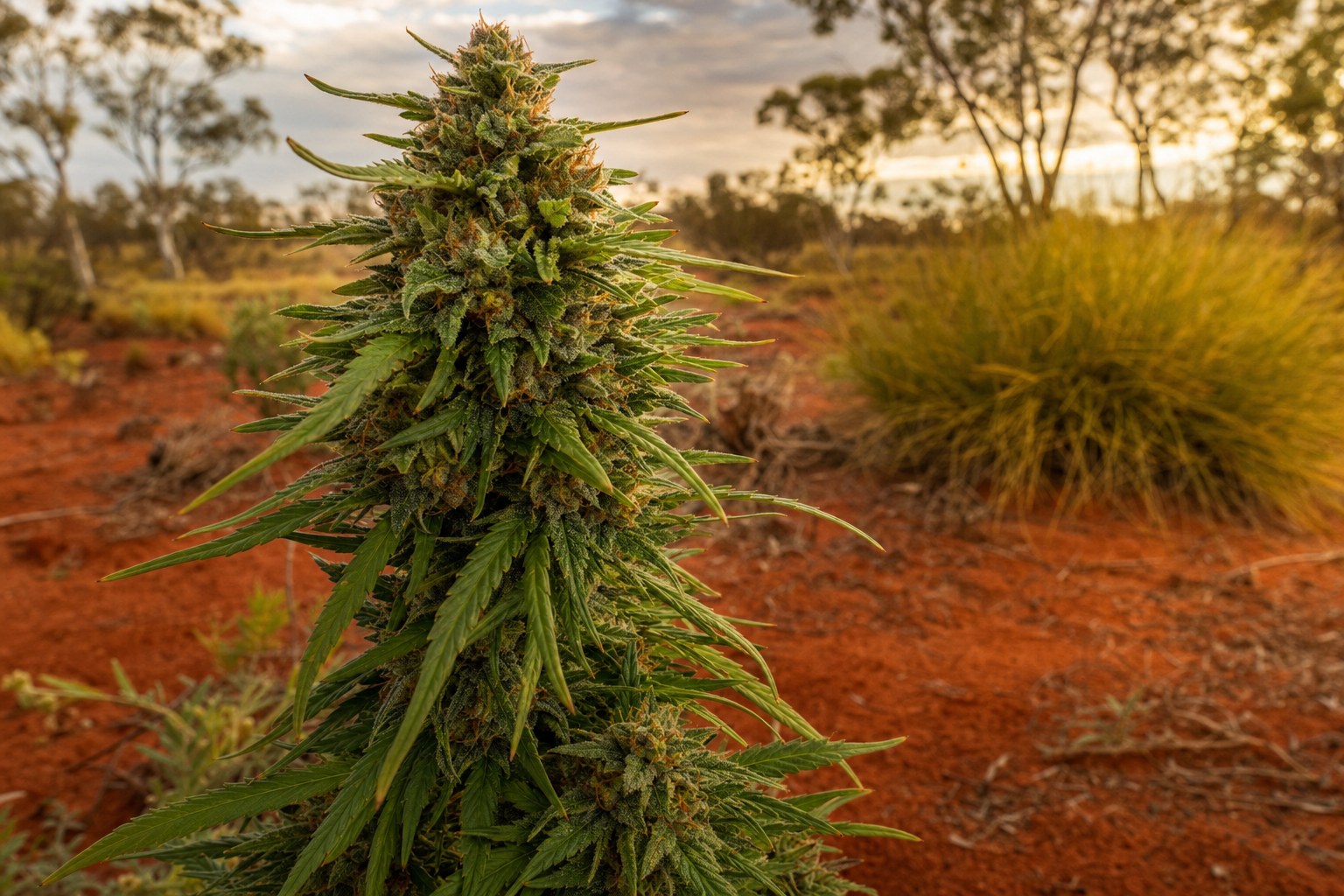
Outback OG: The Strain Selected for Australian Conditions
Meet Outback OG, an OG-style cannabis strain selected with Australian growers in mind.
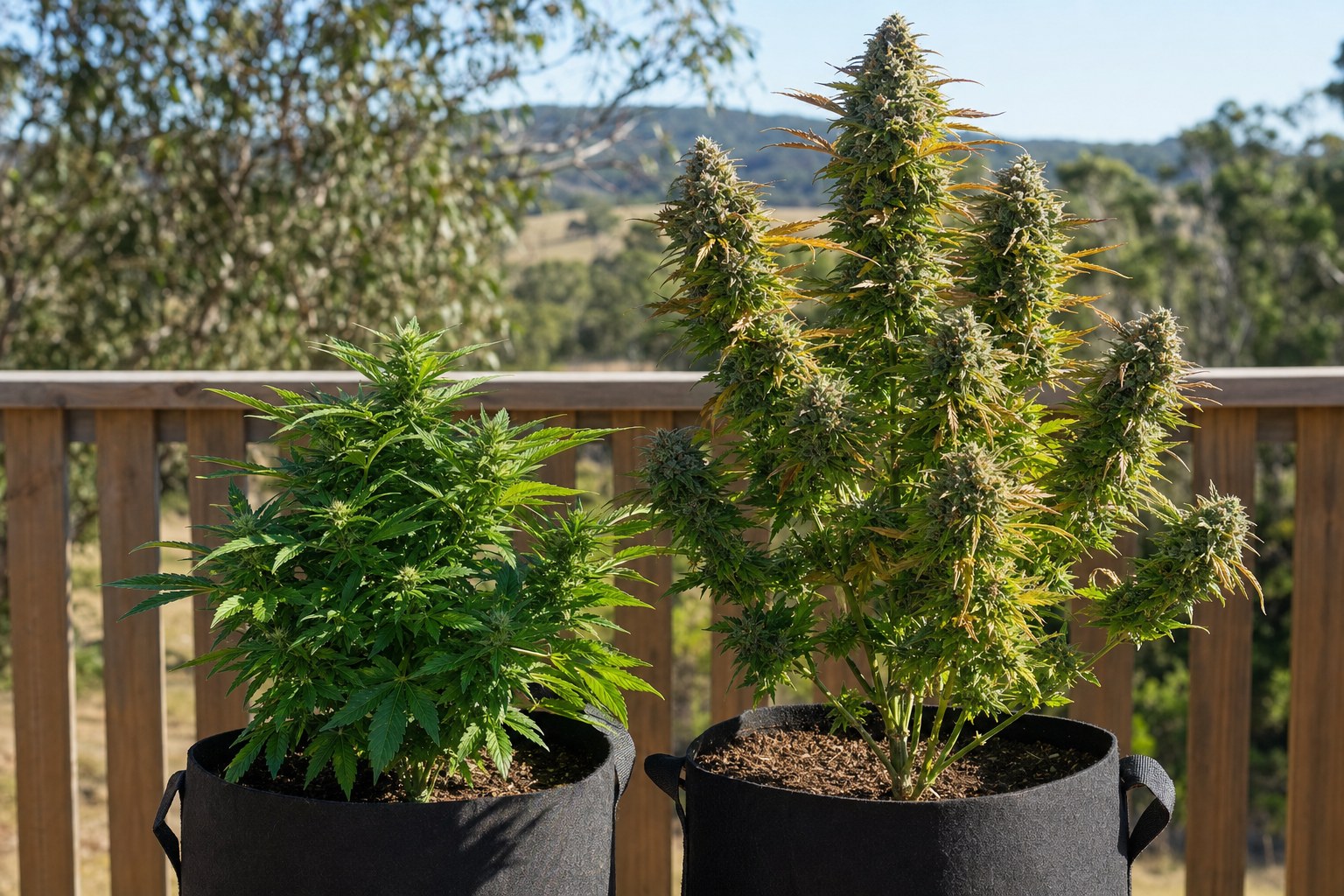
Autoflowers in Australia: Two Harvests in One Summer
A two-cycle autoflower summer may be possible in parts of Australia when short lifecycle cultivars, suitable weather and an early start align.
Growing Northern Lights in Australia: Strain Guide
Northern Lights is a compact, indica-dominant cannabis variety suited to controlled indoor spaces and warm, sheltered outdoor sites.