

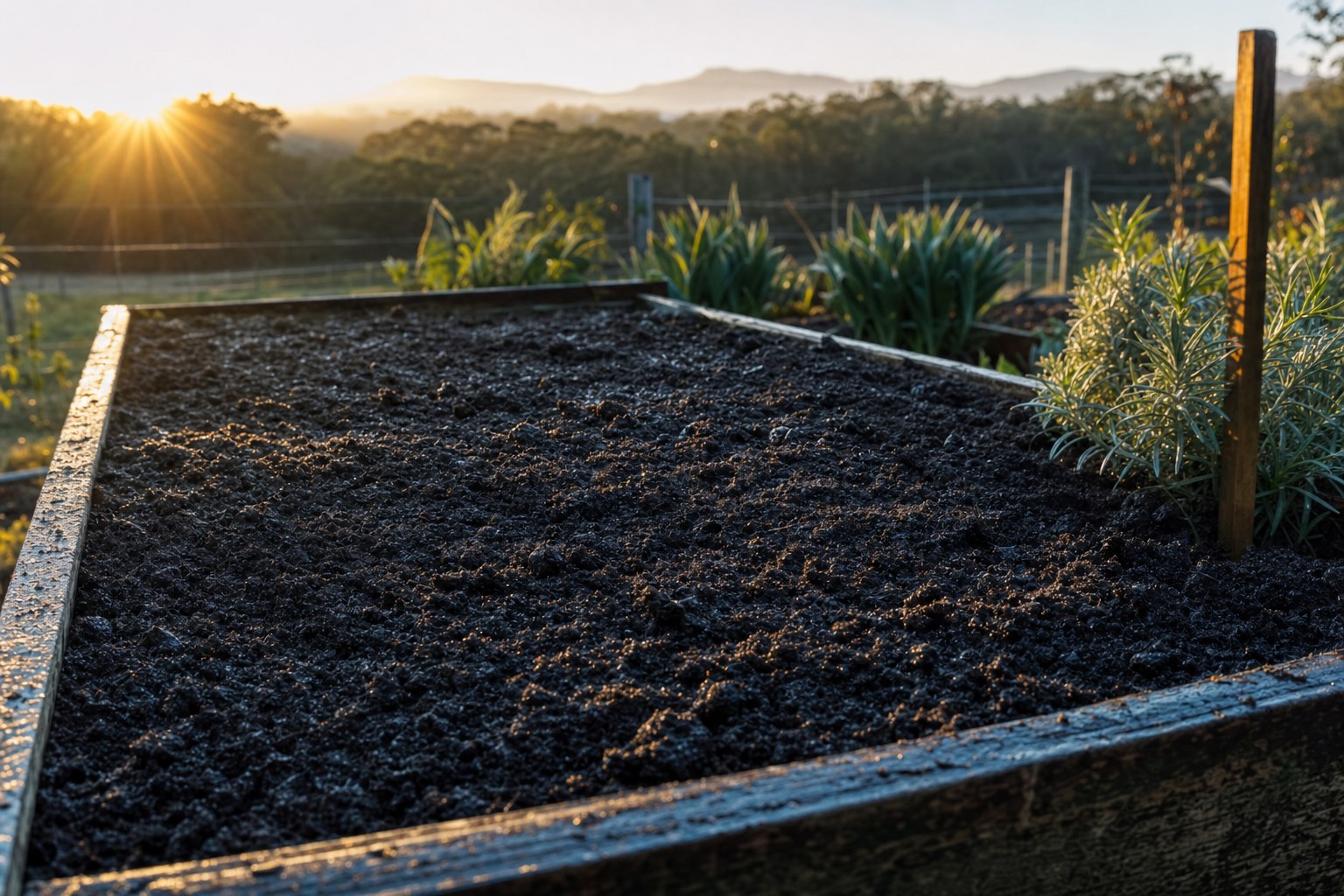
If cannabis legalisation in Australia passes in 2026, day one should begin with reading the final rules—not planting seeds. Confirm the commencement date, your state or territory’s position, possession limits, plant limits and property conditions. Legalisation may not begin immediately, may exclude home growing, or may apply differently across Australia.
Key takeaways
- Passage is not commencement: a new law may start weeks or months after parliamentary approval or another formal decision.
- National change may not create identical local rules: state, territory and Commonwealth responsibilities can overlap.
- Possession, seeds and cultivation are separate questions: permission for one activity does not automatically permit the others.
- Property rules still matter: tenancy agreements, strata by-laws, shared homes and local planning controls may affect what is possible.
- Plan before purchasing: understand lawful limits, space, climate and ongoing costs before choosing seeds or equipment.
- Use local seasons: much of southern Australia follows a spring-to-autumn outdoor cycle, while tropical, arid, alpine and coastal areas need different timing.
What “day one” would mean if cannabis legalisation passes in Australia
Discussion around cannabis legalisation Australia 2026 can make a proposed reform sound like a single nationwide switch. In practice, a bill passing may be only one stage. Formal approval, publication, commencement provisions, regulations and administrative guidance may still be needed. Some sections could begin on different dates, and transitional arrangements could apply.
Day one for a prospective grower is therefore an information-gathering day. Read the enacted wording and official government guidance that applies to your address. Headlines, campaign summaries and social posts may omit important details about age, plant numbers, visibility, storage, sharing or where cultivation may occur.
Check the commencement date before taking any action
A law can pass without operating immediately. The legislation may specify a fixed commencement date, allow a later date to be proclaimed, or introduce different parts in stages. Until the relevant cultivation provisions are active, the existing law continues to apply.
Look for the exact commencement section and any regulations made under the new framework. A referendum result, policy announcement, parliamentary vote or media conference is not necessarily permission to possess seeds, germinate them or establish plants. Record the commencement date and check again close to that date in case implementation details change.
Confirm the rules in your state or territory
Australia has multiple legal jurisdictions. A Commonwealth reform would not necessarily remove every state or territory offence, planning rule or policing power. Likewise, reform in one jurisdiction would not automatically apply across its borders. This distinction is especially relevant for residents near borders and people who move between jurisdictions.
Confirm the rules attached to the physical location where plants would be kept. Travelling with seeds, plants or harvested material may raise separate issues, even when possession is allowed at home. Our overview of whether it is legal to grow cannabis in Australia explains why location-specific checks are essential. ACT residents can also review our general guide to growing cannabis in the ACT and Canberra, while still checking the law currently in force.
Separate possession, seed and home-growing rules
Legal possession does not inherently permit cultivation. A framework might allow adults to hold a limited amount while prohibiting home plants, or it might permit plants subject to household caps and location conditions. Seed ownership, domestic supply, importation, germination, gifting and sale may each have distinct rules.
Read each category separately. If seed possession is relevant, start with our general discussion of cannabis seed law in Australia. Do not infer that permission to own an item includes permission to import, plant, transfer or sell it. The final enacted framework, rather than assumptions about overseas models, should guide every decision.
A day-one checklist for prospective home growers
A calm checklist helps avoid rushed purchases and unsuitable garden decisions. It also creates time to compare the legal framework with your household, property and climate. If any point is unclear, pause until the relevant government office has published clear information or qualified legal advice has been obtained.
Read the final legislation and official guidance
Begin with the final enacted legislation, associated regulations and current guidance published by the responsible Australian government bodies. Draft bills and explanatory material can help explain the debate, but wording may change before passage. Check definitions carefully, including terms such as plant, premises, household, adult, public place and supply.
Note whether limits apply per adult, per residence or both. Check whether immature plants count, whether harvested material has a separate cap, and whether sharing is classified as supply. Keep a dated copy or bookmark of the relevant guidance, then review it periodically because regulations and administrative details can change.
Check household, plant, age and location restrictions
Confirm the minimum age and whether all adults at the property must meet any specified conditions. Establish how household limits interact with individual limits. Two adults living together may not automatically be entitled to double the number of plants, particularly if a residence-wide cap applies.
Location rules may address public visibility, access by children, cultivation near boundaries or use of common areas. A locked, private space with controlled access may be appropriate horticulturally, but it must also comply with the exact wording of the law. Never rely on a neighbour’s interpretation or assume that an enclosed yard satisfies every location condition.
Review tenancy, strata and property requirements
Legal permission under criminal law does not necessarily override a residential tenancy agreement, strata by-law, body corporate rule, mortgage condition or property covenant. Renters should review their lease before changing gardens, installing lights, increasing ventilation or modifying electrical systems. Written landlord permission may be needed for alterations.
Apartment residents should consider common property, odour movement, balconies, drainage and visibility from neighbouring lots. Owners should also check applicable planning, electrical and fire-safety rules. A lawful plant limit does not grant permission to create nuisance, damage a building or use shared areas without approval.
Choose a private, controlled and suitable growing space
Assess sunlight, airflow, water access, drainage, wind exposure and household access before selecting a site. Outdoors, observe the area across a full day rather than judging it at midday. Trees, fences and buildings can change the available light. Indoors, electrical load, heat, humidity, ventilation and water near powered equipment require careful planning.
Privacy should be achieved without creating stagnant air or excessive humidity. Fences and screening can reduce visibility, but dense enclosures may increase mould pressure. Keep the area unavailable to children, visitors and animals, and use barriers that comply with any specific access rules. Avoid cultivation in a space that blocks exits or introduces avoidable electrical hazards.
Make a simple budget and avoid buying more than permitted
List establishment and ongoing costs before purchasing anything. Common categories include containers, growing medium, water, basic nutrition, pest monitoring, weather protection and electricity where relevant. Leave room for replacement parts and seasonal changes. Expensive equipment cannot compensate for unsuitable conditions or inattentive plant care.
Buy only after confirming what is lawful to possess and use. Seed packs may contain more seeds than a plant cap allows, and germination limits may differ from possession limits. If choices are permitted, compare feminised, autoflower and regular seed types in the context of space, timing and permitted plant numbers. Do not assume a particular category guarantees sex, size, timing or yield.
Plan around Australia’s growing seasons
Australia does not have one universal outdoor calendar. Day length, frost, monsoonal rain, dry heat, altitude and coastal humidity vary substantially. The calendar below is a broad planning framework for legal outdoor cultivation, not a fixed planting instruction. Check current law and local conditions before acquiring or germinating seeds.
Spring: prepare the site and check local conditions
Across many temperate southern regions, spring is the usual period for assessing soil, containers, sunlight and wind exposure. Early spring can still bring frost in inland and alpine locations, while late heat can arrive quickly elsewhere. Monitor overnight temperatures and local forecasts rather than planting according to a single national date.
Preparation can include improving drainage, cleaning reusable pots, testing irrigation and planning discreet access. If cultivation is lawful at that time and place, timing should reflect local daylight and temperature. Our guide to when to plant cannabis in Australia covers the climate factors that influence outdoor scheduling.
Summer: manage heat, water and airflow
Summer growth can be vigorous, but Australian heat can dry containers rapidly and stress roots. Water according to actual moisture rather than an inflexible timetable. Morning watering often allows time for excess surface moisture to disperse, while mulch can moderate soil temperature when applied without crowding the stem.
In humid districts, prioritise airflow and inspect dense foliage after rain. In arid areas, shade during extreme afternoon heat may reduce stress, although too much shade can limit growth. Strong summer storms can damage tall plants, so choose supports that allow movement without cutting into stems.
Autumn: watch humidity, rain and changing daylight
Shortening days and cooler nights commonly shape the later outdoor season in southern Australia. Inspect plants regularly for damaged tissue, insects and signs of mould, especially after prolonged rain or heavy dew. Avoid leaving dead leaves within dense growth, and maintain airflow around containers and garden beds.
Harvest timing, possession after harvest and storage limits may be regulated separately from plant numbers. Check how the law defines harvested material before making plans. General cultivation fundamentals are covered in our Australian cannabis growing guide, subject at all times to the rules operating in your jurisdiction.
Winter: review, clean and plan
Winter is commonly a planning period in cooler regions. Review notes on sunlight, wind, watering and pest activity. Clean lawful reusable garden equipment, repair irrigation and consider whether the previous site remained suitable as seasonal shadows changed. Frost-prone areas may be unsuitable for outdoor plants during this period.
Northern tropical regions follow a different rhythm, with wet and dry seasons often mattering more than southern temperature labels. High humidity and intense rainfall can shape site selection and airflow, while dry-season conditions may offer a more manageable window. Always match planning to local weather rather than copying a southern calendar.
Regional notes for Australian growers
- Tropical north: account for wet-season rain, humidity, storms and rapid fungal growth. Prioritise drainage and wide spacing.
- Arid and inland areas: plan for extreme heat, low humidity, large day-to-night temperature swings and water limitations.
- Temperate south-east and south-west: use spring frost dates, summer heat and autumn rain patterns to shape timing.
- Coastal districts: salt-laden wind, humidity and mild nights may affect plant structure and mould pressure.
- Alpine and elevated areas: shorter frost-free periods and abrupt weather changes can limit the outdoor window.
Variety selection, where lawful, should follow the site rather than marketing appeal alone. Plant size, expected flowering pattern and sensitivity to local humidity all matter. Our overview of outdoor cannabis options for Australian conditions provides further factors to compare without promising a particular result.
What not to do on day one
Do not interpret political momentum as immediate permission. Do not order internationally without checking import controls, exceed a household limit because several adults live there, or place plants where they are publicly visible. Avoid major equipment purchases before confirming property permission and the final legal details.
Do not rush germination merely because a commencement date arrives. First confirm that seeds are lawfully held, the location complies, the season is suitable and every applicable limit is understood. If germination is permitted, our seed germination guide explains general horticultural principles, but local law remains the starting point.
A measured approach to cannabis legalisation Australia 2026
If reform passes, responsible growers should approach day one as the beginning of verification and planning. The most important tasks are confirming commencement, understanding jurisdictional differences, separating possession from cultivation permissions and matching any lawful garden to the property and regional climate.
Rules can change after publication, and individual circumstances differ. Recheck current government guidance before acquiring, germinating, planting, possessing, harvesting, storing or sharing regulated material. Good cultivation begins with patience: know the law, understand the site, respect household boundaries and proceed only when every relevant activity is clearly permitted.
Outback Seed Bank grow team: A passed reform is a reason to read carefully, not to rush. Confirm the operating date and local rules first, then build a modest seasonal plan around your climate, property and lawful limits.